At a glance
- Best for
- Architecture, crafts, gardens and slow walks
- Airport
- Isfahan International Airport (IFN)
- Time needed
- Two to three days
- Best season
- March to May and October to November
- From Tehran
- About five to six hours by bus or train
- Getting around
- Walking, taxis and the metro
Naqsh-e Jahan Square
The square, also called Imam Square, is a UNESCO World Heritage site and one of the largest city squares in the world. Shah Abbas laid it out around 1600, and it is still the centre of Isfahan life. Families picnic on the grass in the evening, horse carriages circle the fountains and the arcades are full of craft workshops.
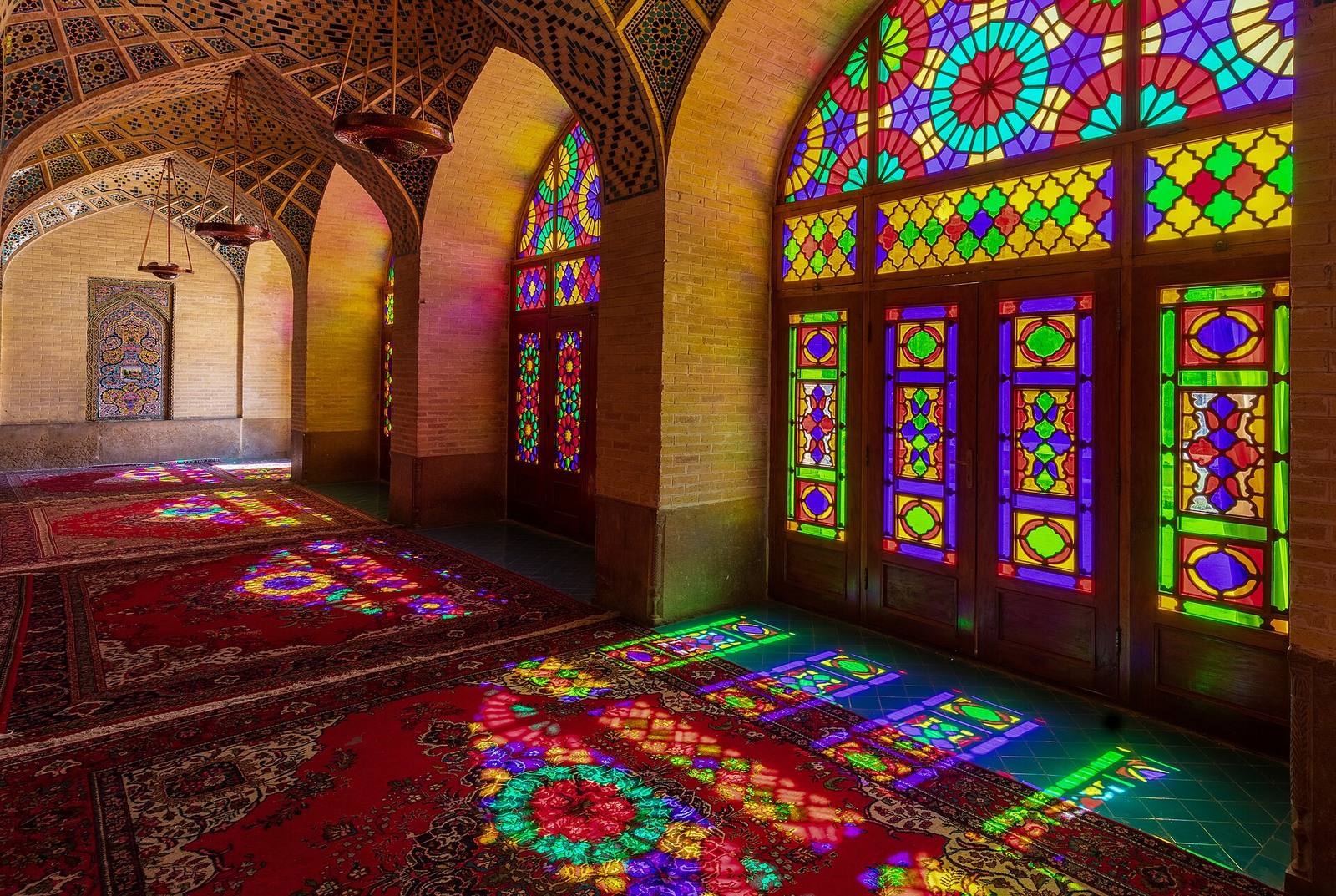
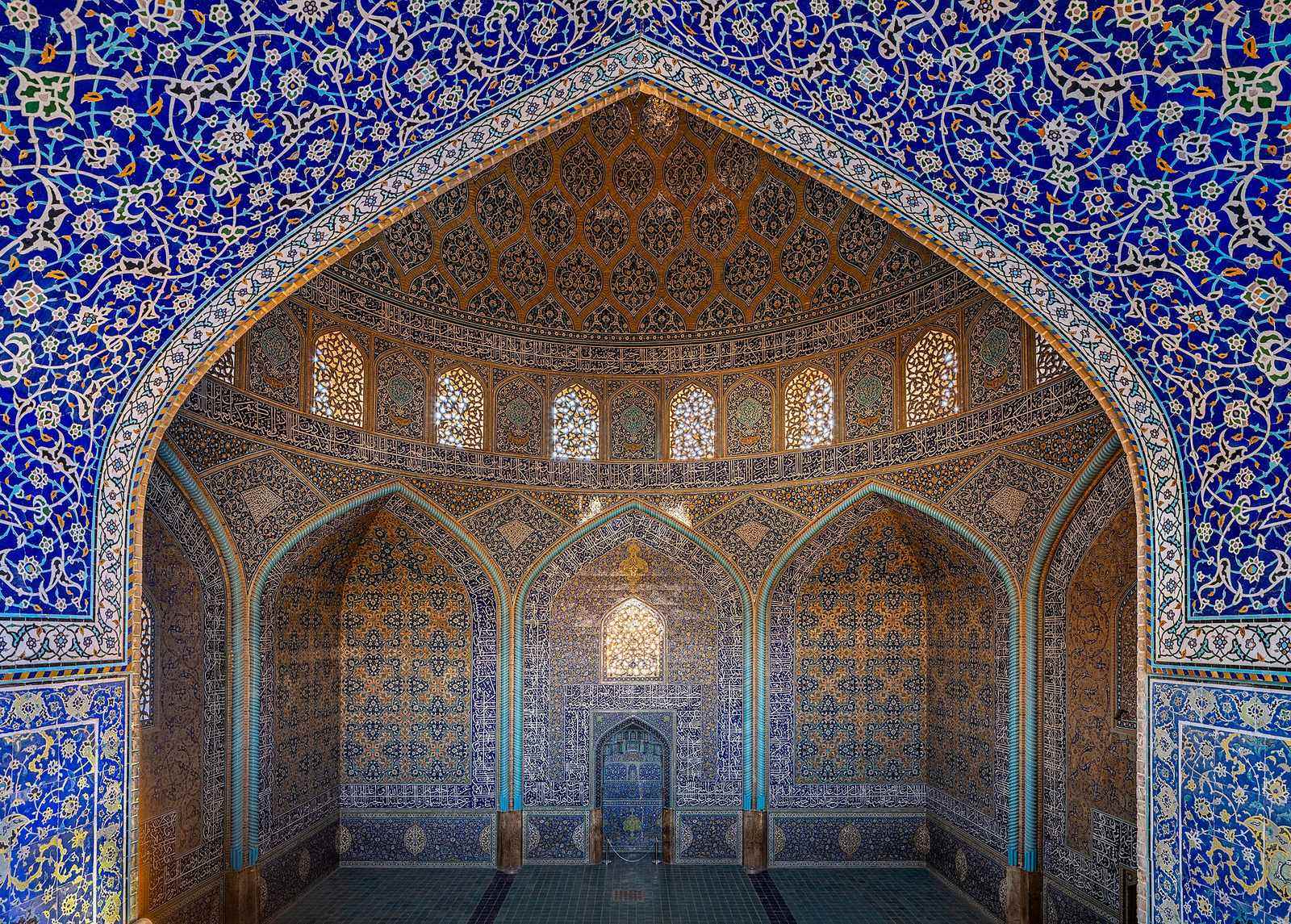
On the south side, the Shah Mosque (Imam Mosque) is covered inside and out in blue tile, with a dome whose echo guides like to demonstrate. On the east, the smaller Sheikh Lotfollah Mosque has no minaret and a dome that shifts from cream to pink in the light: many think it is the most perfect building in Iran. Opposite stands the Ali Qapu Palace, with a terrace over the square and a music room carved with hollow niches. At the north end, the gateway leads into the Qeysarieh Bazaar.
The bazaar and the crafts
Isfahan is the country's craft capital. Around the square and in the bazaar you will see miniature painting, enamel work called minakari, hammered copper, inlaid khatam boxes and block printed cloth called ghalamkar. Many workshops are family run, and you can often watch the artists. Take your time and compare before buying.
The Jameh Mosque
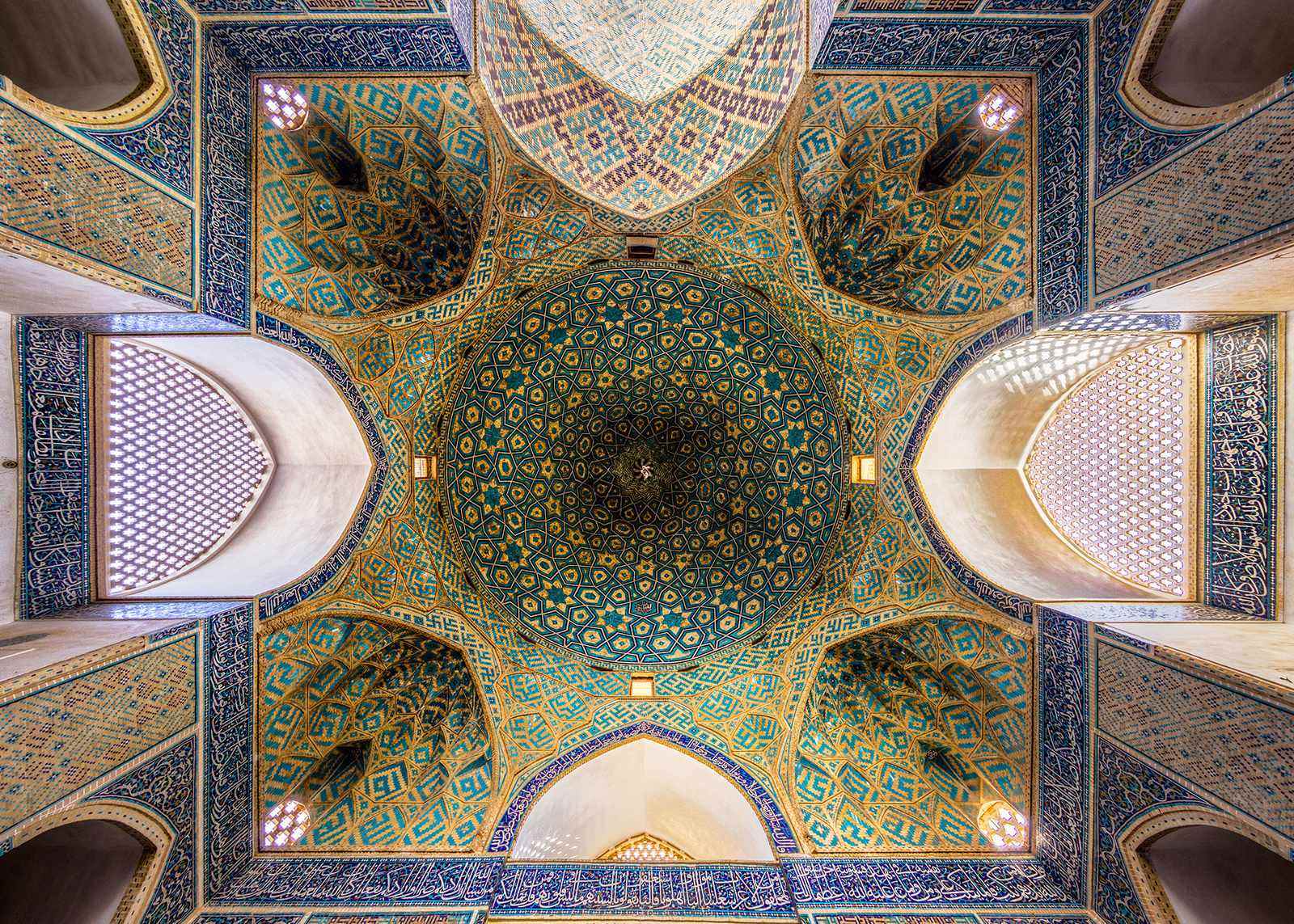
The Friday Mosque in the old north of the city is a UNESCO site too, and for students of architecture it may be the most important building in Iran. It grew over nearly a thousand years, and its brick domes and prayer halls show the whole history of Persian mosque design. It is quieter than the square, so allow time.
Chehel Sotoun and the palaces
Chehel Sotoun, the palace of forty columns, sits in a Persian garden that forms part of a UNESCO listing. Its twenty wooden columns reflect in a long pool, and inside are large Safavid wall paintings of battles and banquets. Nearby, Hasht Behesht is a smaller garden pavilion.
The bridges
The Zayandeh River is often dry for much of the year now, because of drought and water diversion, but the old bridges are still lovely. Si-o-se Pol has thirty three arches. Khaju Bridge, with its pavilion and steps, is the best place to be at dusk, when people gather under the arches and sometimes sing. When the river does flow, usually for short periods, the whole city comes out.
New Julfa: the Armenian quarter
Shah Abbas brought Armenian merchants to Isfahan in the early 1600s, and their quarter, New Julfa, still has a living community. Vank Cathedral has a plain exterior and an interior covered in frescoes, with a museum on the Armenian genocide and Armenian history. The quarter's lanes have some of the city's best cafés.
Food
Isfahan's own dish is beryani, minced lamb and lung grilled flat and served in bread, best at old places near the square. Gaz, a nougat with pistachios, is the classic sweet to take home. Try a traditional teahouse under the square's arcades for tea and dates.
Practical tips
The square and Chehel Sotoun are walkable from most hotels. Many sights charge a separate foreigners' entry rate, so ask at each gate. Mosques and shrines expect modest dress, and women may be asked to wear a chador in some prayer spaces, which is usually lent at the door. Summer afternoons are very hot: sightsee early and late.
Questions about Isfahan
How many days should I spend in Isfahan?
Two full days covers the square, the Jameh Mosque, Chehel Sotoun, the bridges and New Julfa. Three days lets you slow down and spend time in the workshops.
Is there water in the river in Isfahan?
Only for short periods in most years. Water is released at times, often in spring, but the riverbed is usually dry. The bridges are still worth seeing.
When is Naqsh-e Jahan Square at its best?
Late afternoon into the evening, when the heat drops, the domes catch the light and local families come out to picnic and walk.
Can I visit Vank Cathedral?
Yes, it is open to visitors most days, with a museum beside it. Dress modestly and check opening hours, which vary in religious seasons.
Facts checked . Fees, schedules and entry rules change, so always confirm the latest with the official source.