At a glance
- Best for
- Temples, Javanese culture, batik and street food
- Airport
- Yogyakarta International Airport (YIA)
- Time needed
- Three to four days
- Best season
- May to September
- Language
- Javanese and Indonesian
- Getting around
- Ride apps, becak, trains and organised tours
Why go
Jogja gives you Java at its most welcoming. The city is relaxed and affordable, with an artistic streak, and the great monuments around it rank among the finest in Asia. It is also a natural first stop if you fly into Jakarta, linked by fast trains and short flights.
Borobudur
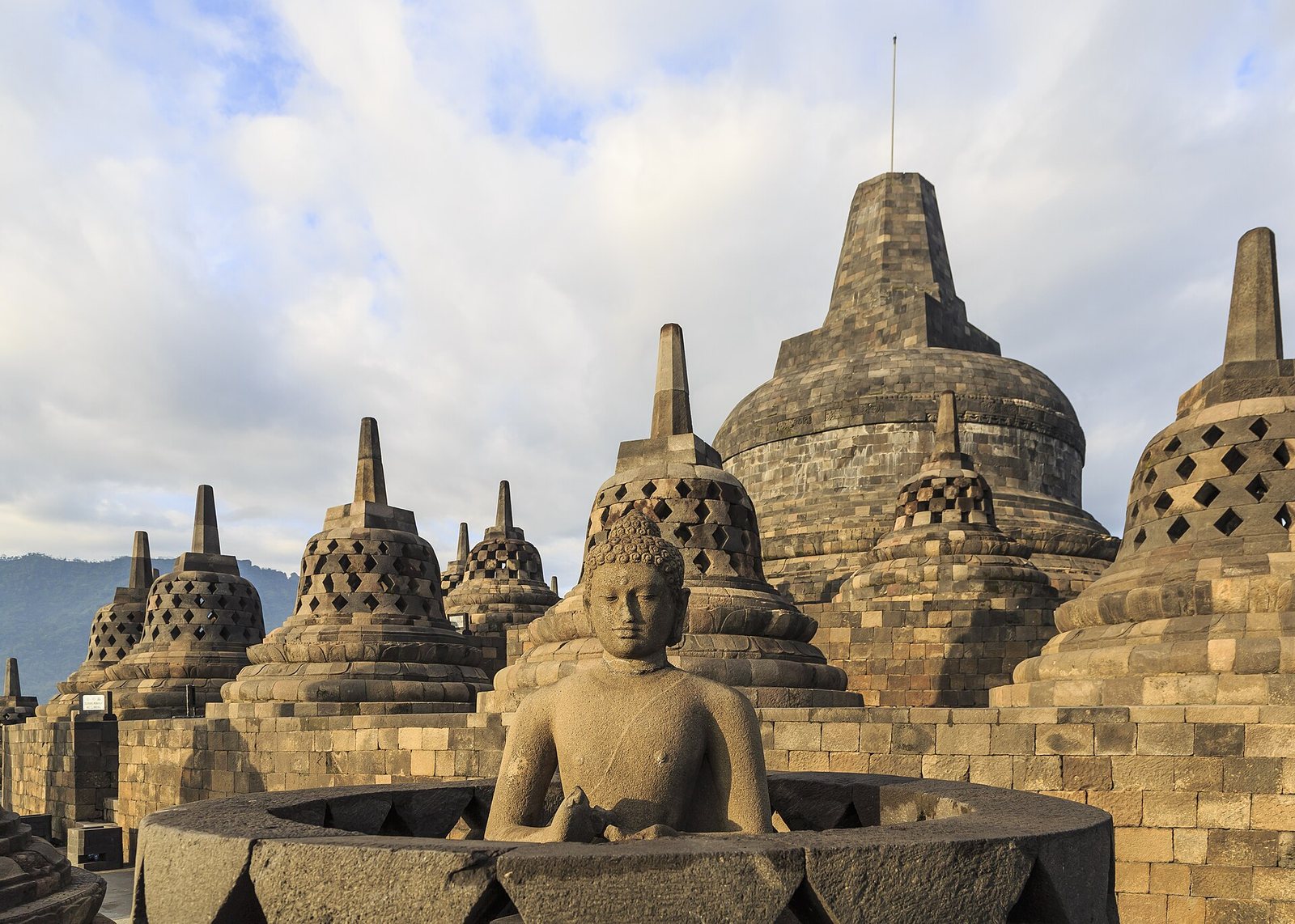
About an hour north west of the city, Borobudur was built in the eighth and ninth centuries as a vast stepped mandala of stone. Pilgrims walk clockwise up its terraces past more than two thousand relief panels telling Buddhist stories, to the top where seventy two stupas hold seated Buddhas, framed by volcanoes. Climbing the monument itself is now limited to small, timed groups with a guide and special sandals, while the grounds and lower levels are easier to visit. Check the official Borobudur ticketing site for current climbing quotas and sunrise options. Nearby, the small temples of Mendut and Pawon sit on the same ancient processional line, and the hills of Menoreh have viewpoints over the misty plain.
Prambanan and the plains
Prambanan, east of the city, is a soaring ninth century Hindu complex dedicated to Shiva, Vishnu and Brahma, its carved towers telling the Ramayana. In the dry season the Ramayana Ballet is performed on an open air stage with the temples lit behind. Within walking or cycling distance are the Buddhist temples of Sewu and Plaosan, and on a hill to the south, Ratu Boko is a palace site loved for sunset.
The city
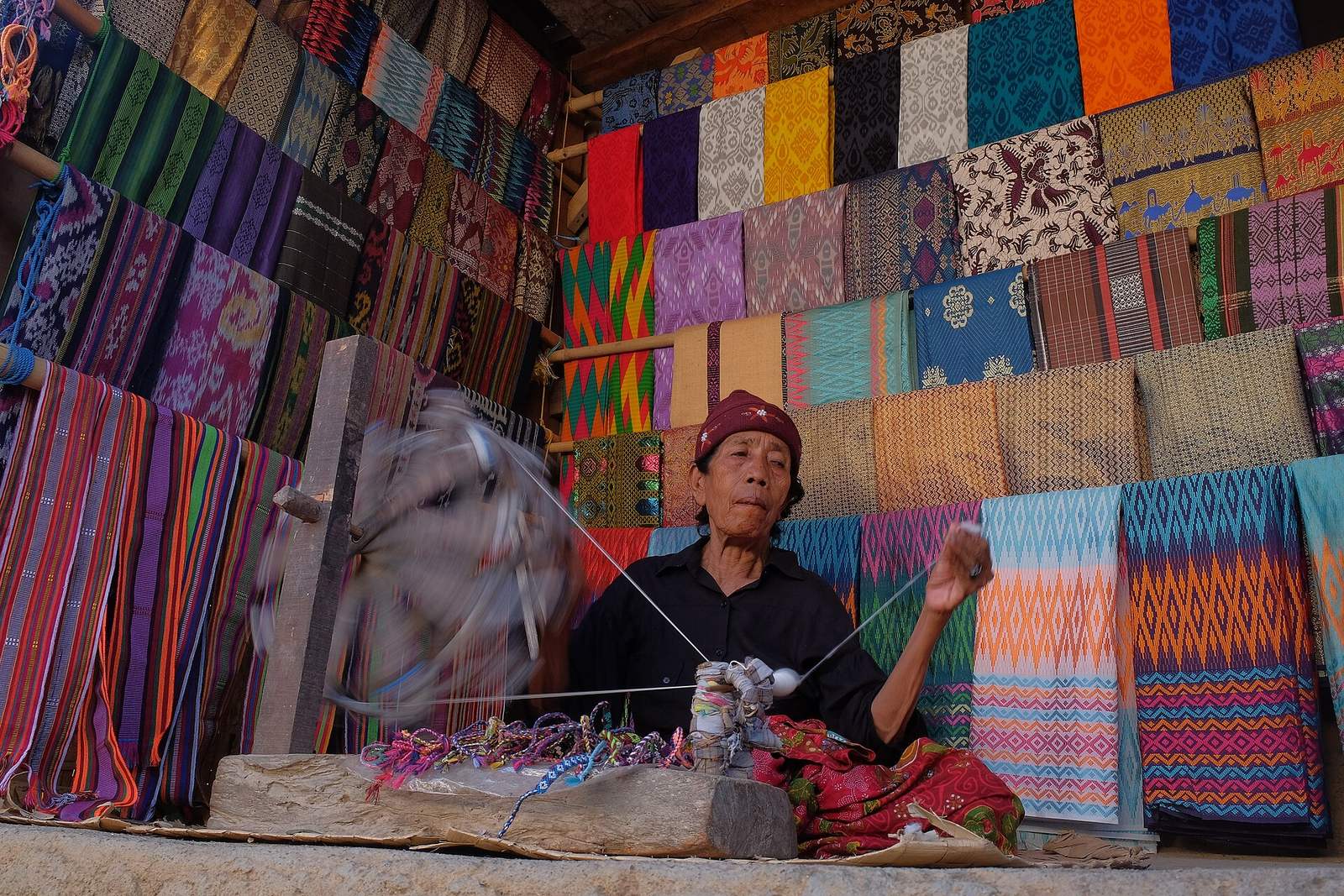
At the centre is the Kraton, the sultan's palace, with gamelan and dance performances most mornings, and nearby Taman Sari, the old water castle with bathing pools and underground passages. Malioboro Street is the busy shopping strip for batik and street snacks, and Beringharjo Market sells everything from fabric to herbal drinks. Kotagede, the old silver town in the south east, has narrow lanes and silversmith workshops. In the evening, students gather at the lesehan food stalls, where you sit on mats and eat gudeg, the city's sweet jackfruit stew, or angkringan rice parcels by lamplight.
Day trips
Mount Merapi, one of the world's most active volcanoes, looms to the north; jeep tours around its lower slopes visit villages buried by the 2010 eruption, but always follow current alert levels and exclusion zones. Jomblang Cave has a shaft of light falling into a forest underground. The south coast has wild beaches such as Parangtritis, where strong currents mean swimming is dangerous.
Where to stay and eat
Prawirotaman, south of the Kraton, has friendly guesthouses, cafés and good food in walkable streets. Staying near Borobudur for a night lets you reach the temple at dawn. Try gudeg for breakfast, bakpia pastries from the Pathuk area, sate klathak grilled on bicycle spokes and late night angkringan stalls near the station. Batik workshops and silver studios in Kotagede offer short classes, a lovely way to take something home that you made yourself.
Practical tips
Book the temples early in the day for cooler air and fewer crowds. Dress modestly at the kraton and temples. Use ride apps or agree becak fares before you set off. Yogyakarta International Airport is some way west of the city, linked by an airport train.
Questions about Yogyakarta
Can you still climb Borobudur?
Yes, but only in limited, guided groups at set times wearing special sandals provided at the site. Book through the official ticketing system and check current quotas before you go.
How many days do I need in Yogyakarta?
Three days covers Borobudur, Prambanan, the kraton and Taman Sari. Add a day for Merapi or Jomblang Cave.
How do I get from Jakarta to Yogyakarta?
Fast intercity trains take most of a day in comfort, or there are frequent short flights into Yogyakarta International Airport.
What should I eat in Yogyakarta?
Gudeg, the slow cooked jackfruit stew, angkringan rice parcels and satay at night, bakpia pastries and kopi joss, coffee served with a piece of hot charcoal.
Facts checked . Fees, schedules and entry rules change, so always confirm the latest with the official source.