At a glance
- Best for
- Food, shopping, history, family visits and business
- Airport
- Soekarno-Hatta International Airport (CGK)
- Time needed
- Two to three days
- Best season
- June to September
- Language
- Indonesian, with English in hotels and malls
- Getting around
- MRT, TransJakarta buses, KRL trains and ride apps
Why go
Many travellers pass straight through Jakarta, but it is where modern Indonesia is made, and the food alone justifies a stop. For diaspora visitors it is often home base. New public transport, especially the MRT, has made it far easier to explore than it was a decade ago.
Kota Tua and the old port
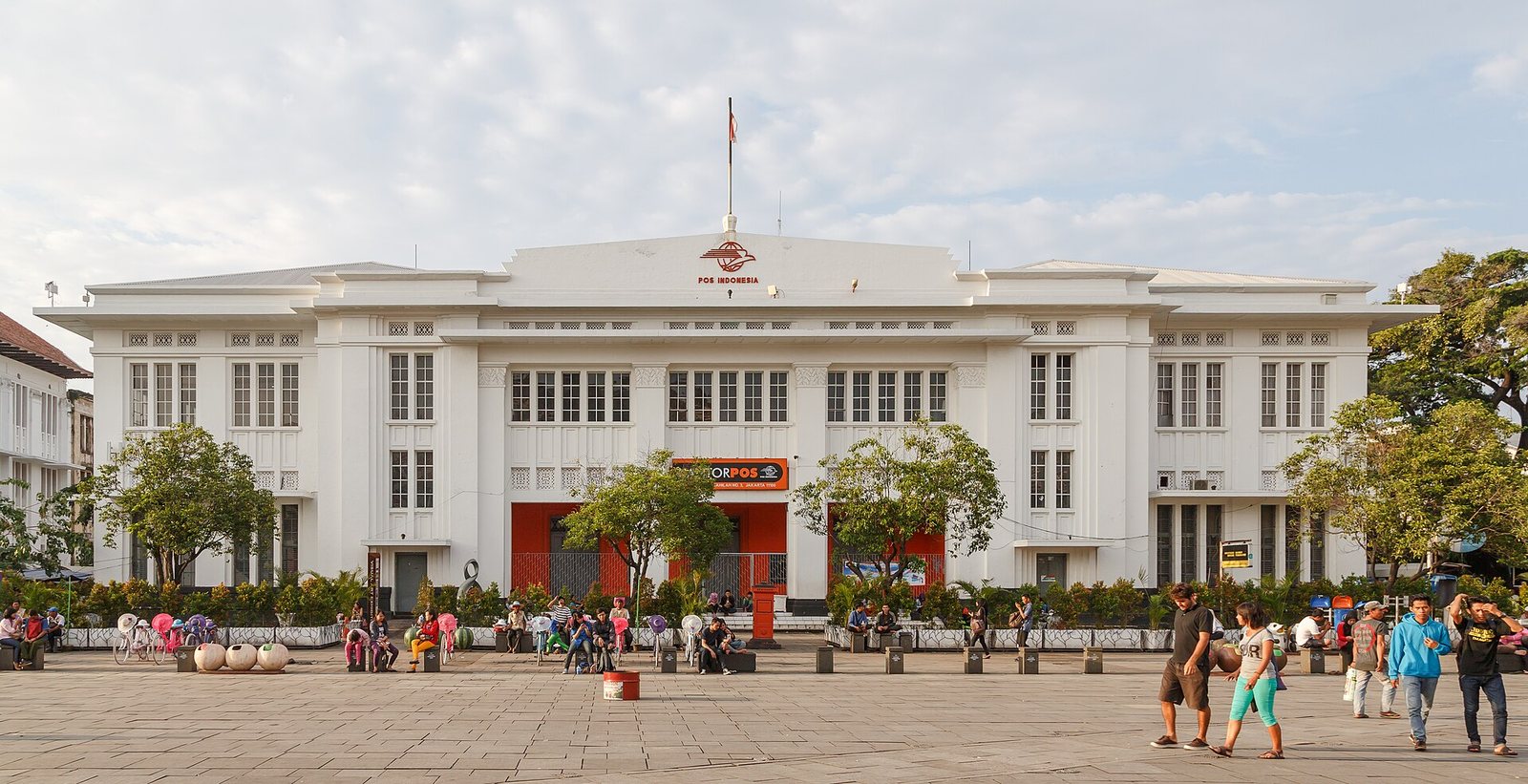
Kota Tua, the old town, was the heart of Dutch Batavia. Fatahillah Square is lined with colonial buildings, including the Jakarta History Museum in the old city hall, the Wayang Museum of puppets and the Fine Art and Ceramics Museum. Café Batavia overlooks the square, and you can rent a bright bicycle and a straw hat for photographs. North of here, Sunda Kelapa harbour still has wooden pinisi schooners loading cargo, and the Maritime Museum sits in old Dutch warehouses.
The centre
Merdeka Square is home to Monas, the National Monument, a tall obelisk topped with a flame covered in gold, with a lift to the viewing deck. The National Museum nearby holds a superb collection of statues, ceramics and ethnography; check that galleries have reopened after the 2023 fire. Istiqlal Mosque, one of the largest in Southeast Asia, welcomes respectful visitors and stands opposite the neo Gothic Jakarta Cathedral, connected by an underground tunnel of friendship. Menteng is the leafy old garden suburb, with Jalan Jaksa and Cikini nearby.
Food and neighbourhoods
Glodok, Jakarta's Chinatown, is the place for street food, temples such as Vihara Dharma Bhakti and herbal shops along Petak Sembilan. Sabang Street serves satay and fried rice late into the night, and Blok M has become a hub of small bars and Japanese food near its MRT station. Kemang and Senopati are the upmarket dining and nightlife areas in the south. Try soto Betawi, a coconut milk beef soup, kerak telor, a spiced egg and rice omelette sold by street vendors, and nasi uduk.
Day trips
The Thousand Islands, Kepulauan Seribu, lie a boat ride north, with simple resorts and snorkelling. Bogor, an hour away by KRL commuter train, has the old botanical gardens and the cooler air of the hills. The high speed train to Bandung, the Whoosh, makes the volcanic highlands and tea plantations an easy day out.
Where to stay
Stay near the MRT along Thamrin and Sudirman for easy access to the centre, in leafy Menteng for character and street food, or in South Jakarta around Senopati, Kemang and Blok M for restaurants and nightlife. Visitors staying with family across the wider metropolitan area should plan longer journey times and use the KRL commuter trains where possible. Our places to visit list has food, museums and markets across the city.
Practical tips
Traffic is the biggest challenge, so plan one area per day and use the MRT, TransJakarta buses or KRL trains where you can; you will need a contactless card or a ride app. Base yourself in central or south Jakarta near an MRT station. Flooding can hit during the wet season peak, roughly January and February. The airport train links Soekarno-Hatta with the city, and ride apps work well from the official pickup points.
Questions about Jakarta
Is Jakarta worth visiting?
Yes, for a day or two. Kota Tua, the National Museum, Istiqlal Mosque and the food of Glodok and Sabang give a real sense of modern Indonesia.
What is the best way to get around Jakarta?
Use the MRT, TransJakarta buses and KRL commuter trains for longer journeys, and ride apps for the last stretch. Avoid road travel at rush hour where possible.
How do I get from Soekarno-Hatta airport to the city?
Take the airport train to the city, an official airport taxi from the marked ranks, or a ride app from the designated pickup points.
Is Jakarta still the capital of Indonesia?
Yes, in practice. A new capital, Nusantara, is being built in East Kalimantan, but government, embassies and the main airport remain in Jakarta for now.
Facts checked . Fees, schedules and entry rules change, so always confirm the latest with the official source.