The gateway
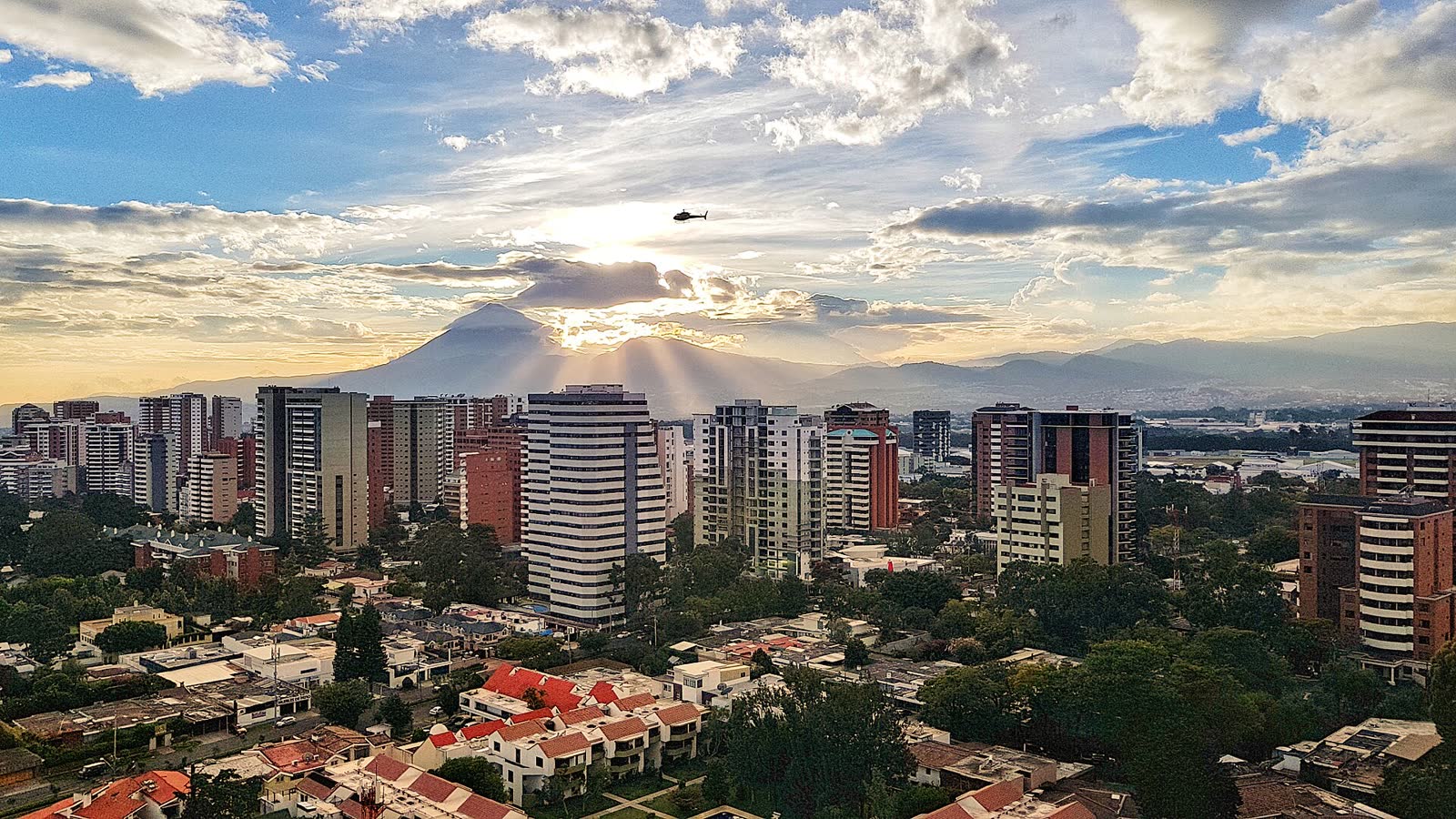
Most flights land in Guatemala City, the country's huge, busy capital. Many visitors head straight to Antigua, under an hour away when traffic is kind, but the city's museums, Zona 1 historic centre and food scene reward a day if you keep to the safer zones.
The colonial heart
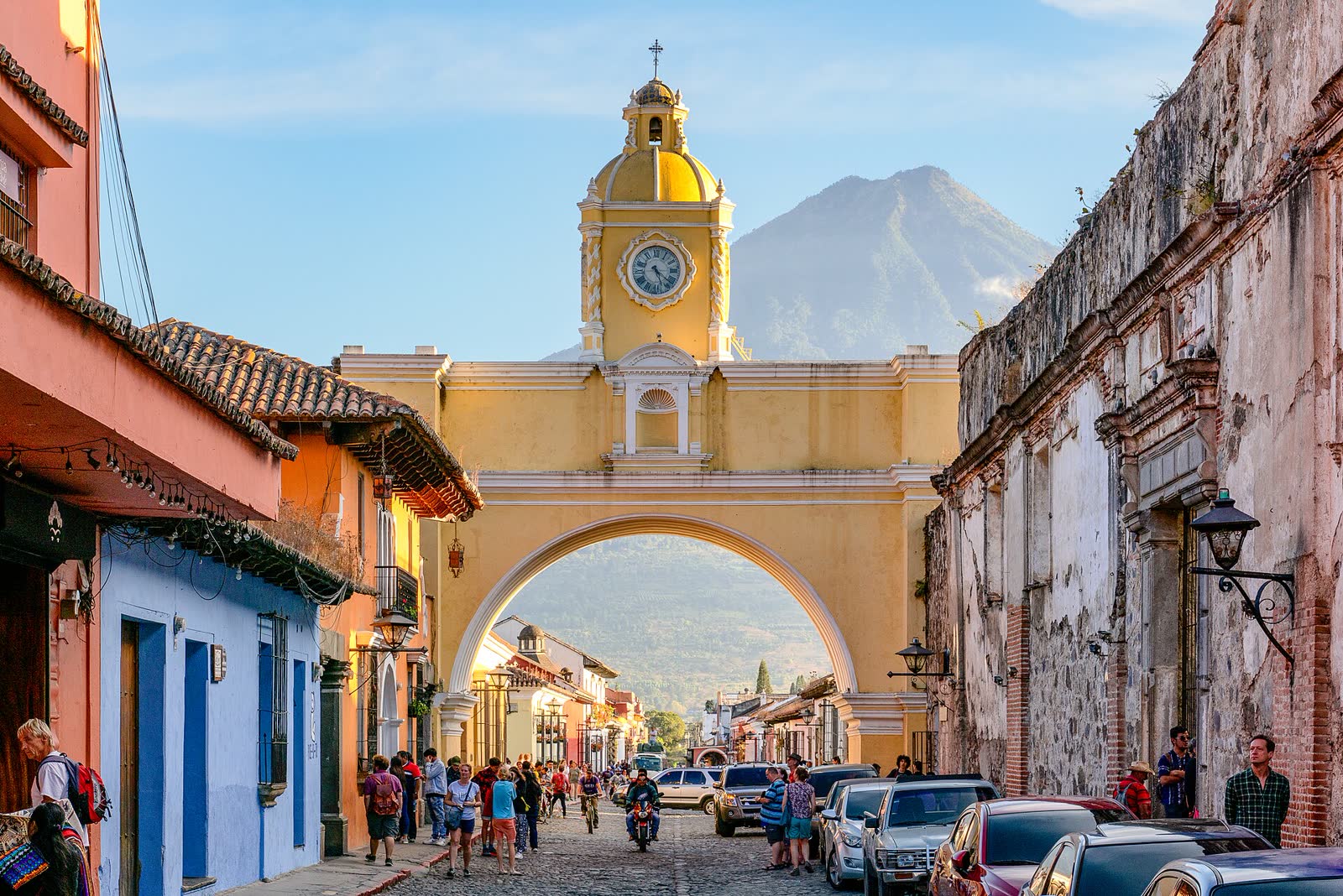
Antigua is the place almost everyone falls for. The old Spanish capital is a grid of cobbled streets, pastel walls and earthquake-ruined churches, framed by Volcán de Agua, Fuego and Acatenango. It is the easiest base in the country, with Spanish schools, coffee farms, excellent food and the famous overnight volcano hike.
The lake
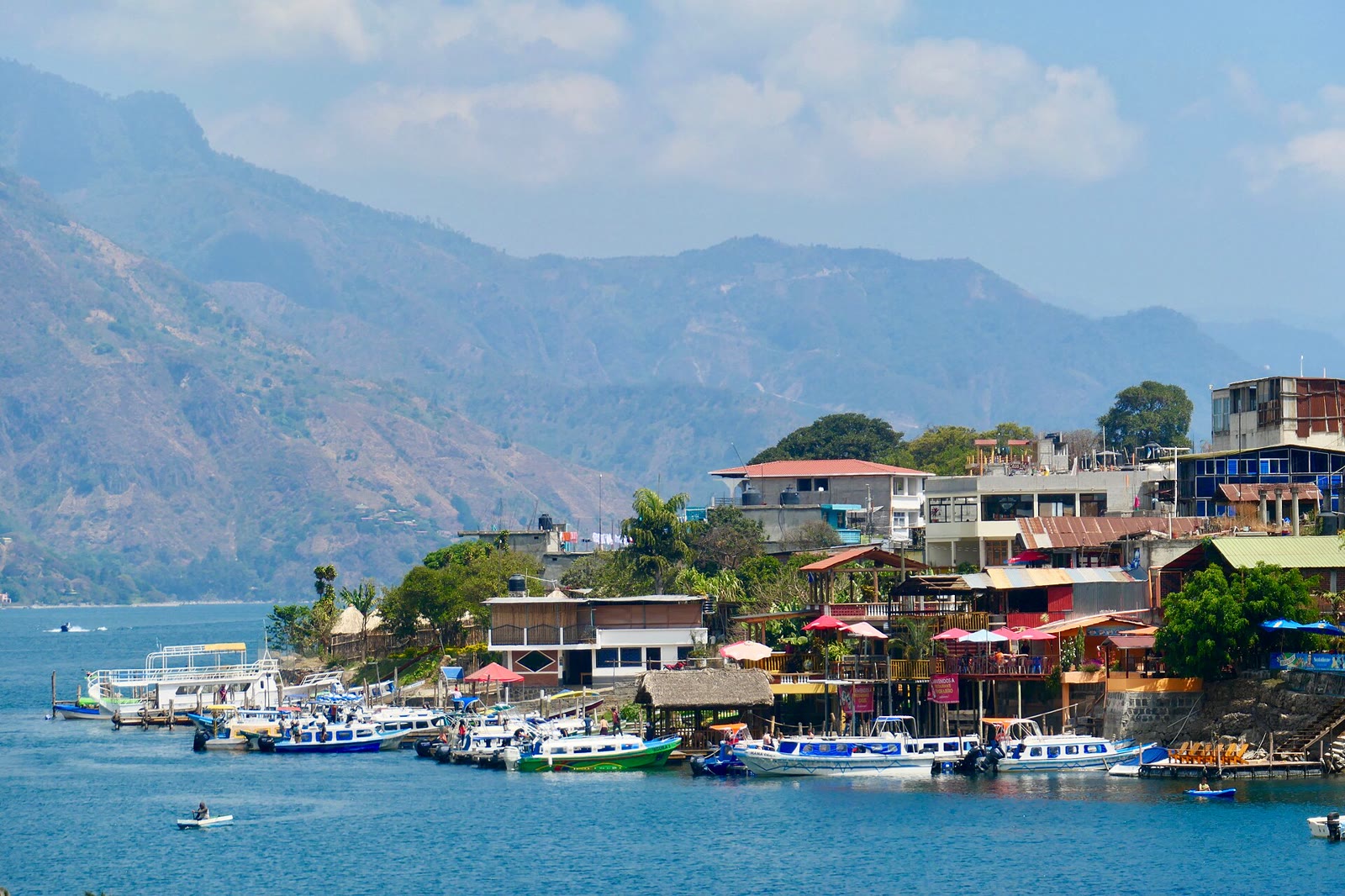
Lake Atitlán fills an ancient caldera ringed by three volcanoes and a dozen Maya towns. Panajachel is the transport hub, San Pedro and San Marcos draw backpackers and yoga lovers, San Juan is known for weaving cooperatives and Santiago for its living Maya traditions. Boats link them all.
The highlands
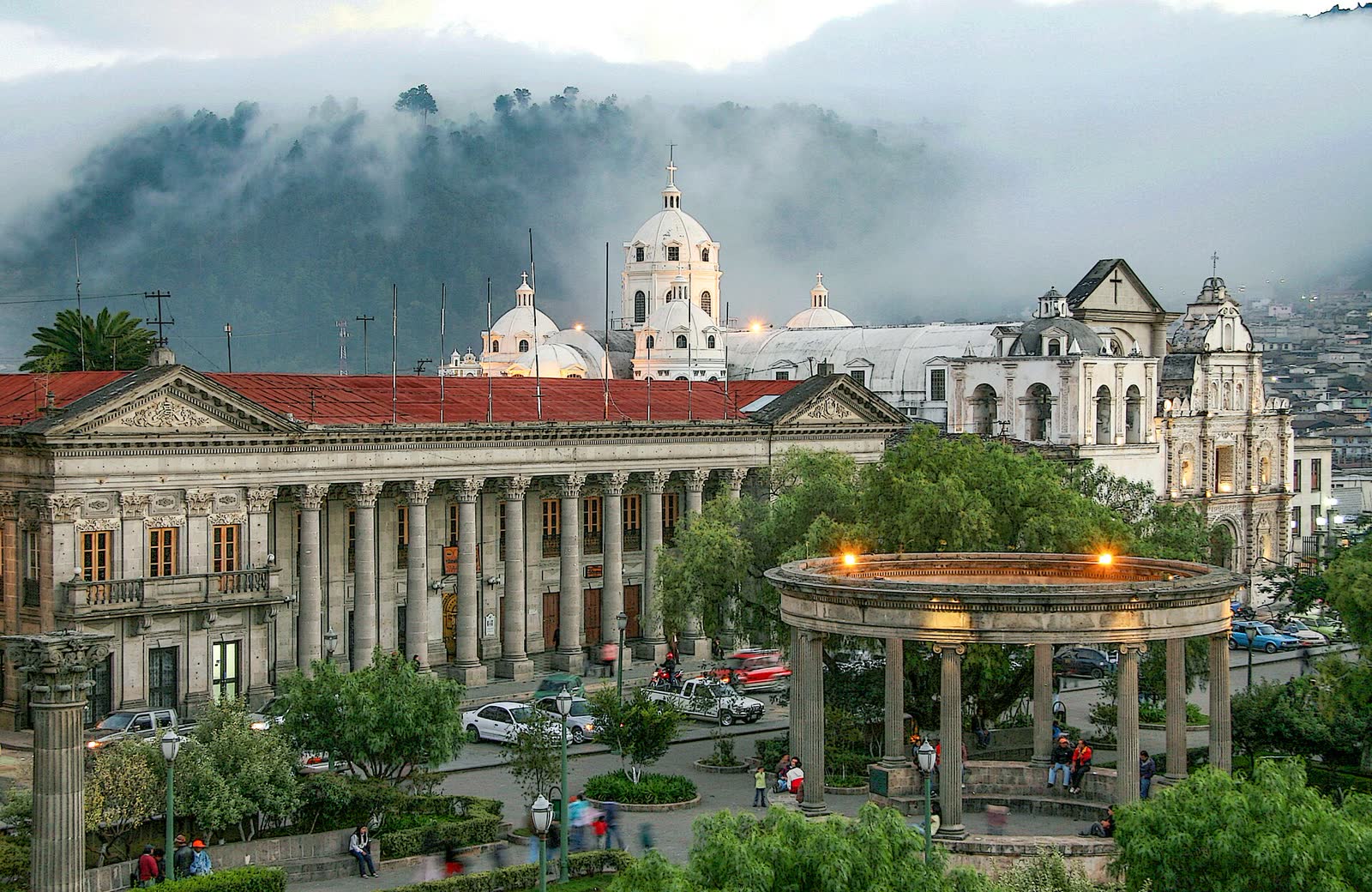
Quetzaltenango, known to everyone as Xela, is the country's second city and its highland capital, with Spanish schools, hot springs and hikes to volcano summits. It makes a more local alternative to Antigua and a base for markets such as Chichicastenango and San Francisco El Alto.
The jungle
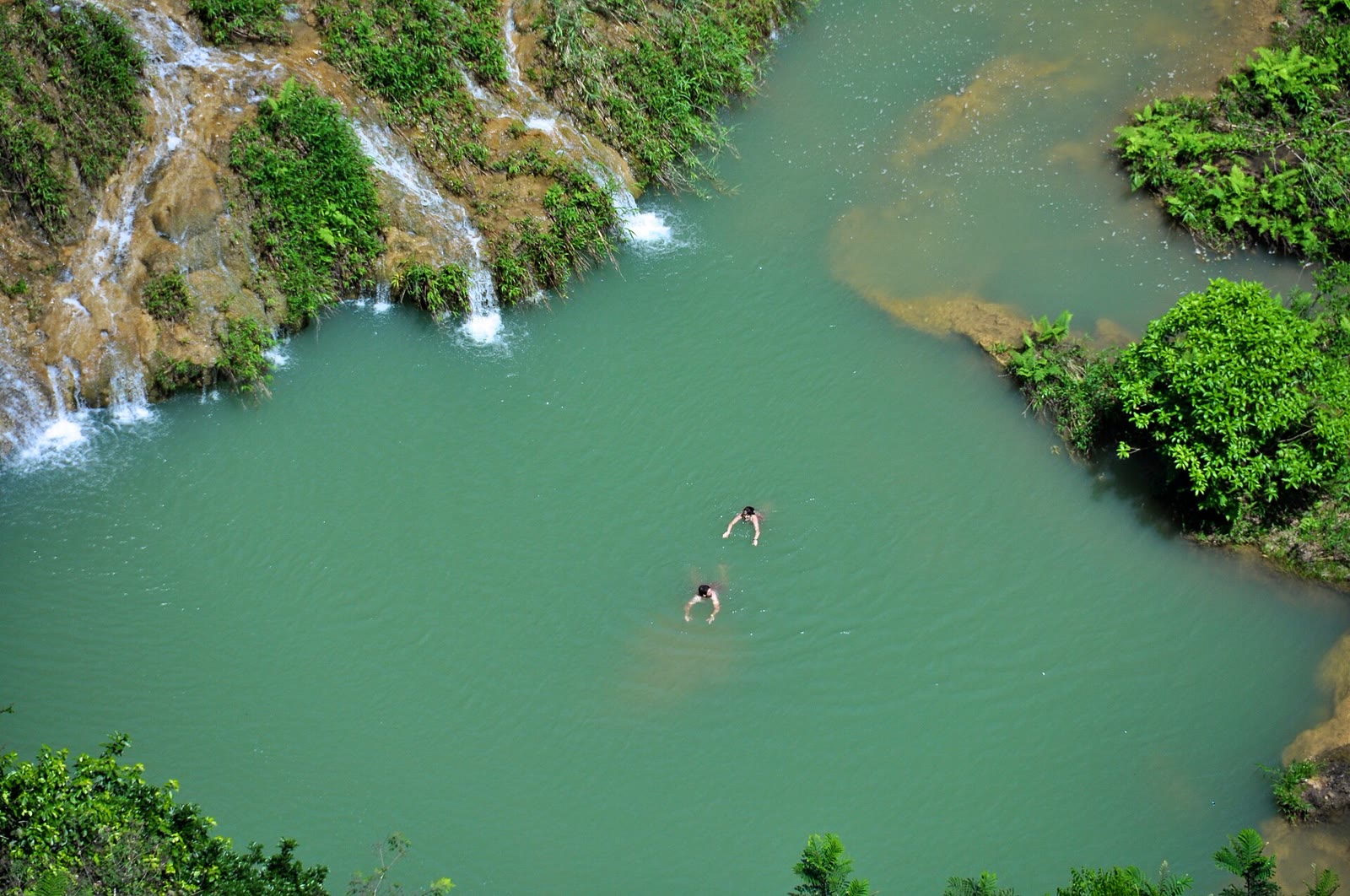
In the north, Flores and Tikal combine a pretty island town on Lake Petén Itzá with the greatest Maya city in Guatemala, deep in protected rainforest. In the green middle of the country, Semuc Champey is a natural limestone bridge topped by turquoise pools, reached through the town of Lanquín.
How to combine them
With ten days, pair Antigua and the lake with a flight to Flores for Tikal. With two weeks or more, add Semuc Champey and Xela. Use our places to visit list to choose where to eat and stay, and the free trip planner to fit it all together.