At a glance
- Best for
- Archaeology, hiking, views and village life
- Getting there
- Around three hours by road from Asmara
- Time needed
- One or two days
- Best season
- October to March
- Base
- Adi Keyih or Senafe
- Permits
- Travel permit and site permission needed
Why visit the southern highlands
This is the Eritrea of terraced fields, stone houses, rock churches and wide sky. For history lovers it is the highlight of the country: these highlands sat on trade routes between the Red Sea port of Adulis and the interior, and towns grew rich on ivory, gold and incense more than two thousand years ago.
Qohaito
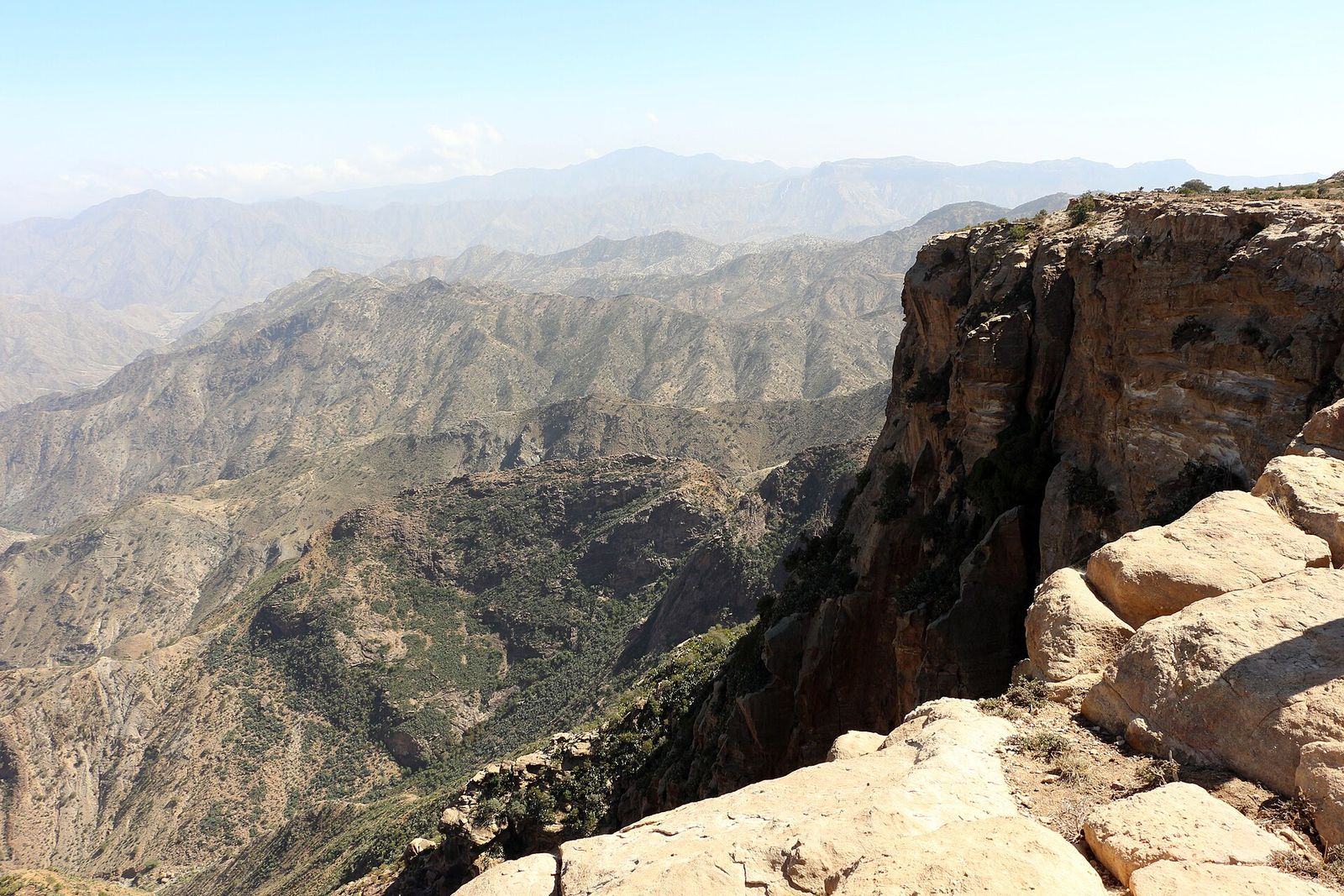
Qohaito sits on a plateau at over 2,600 metres, a short drive from Adi Keyih. Its scattered ruins include standing columns from ancient temples, the remarkable Safra dam, still holding water after many centuries, and tombs. Nearby, the **Adi Alauti cave** has ancient rock art, and the plateau edge drops into a vast gorge with views towards the coast. Qohaito is on Eritrea's UNESCO tentative list. A local guide or caretaker is usually present.
Metera
Near Senafe, Metera has a tall stele with a sun and crescent symbol, and the remains of houses and buildings from the Aksumite period. Senafe itself sits beneath the striking rock outcrop of Amba Metera, a great place for a short walk and sunset views.
The road south
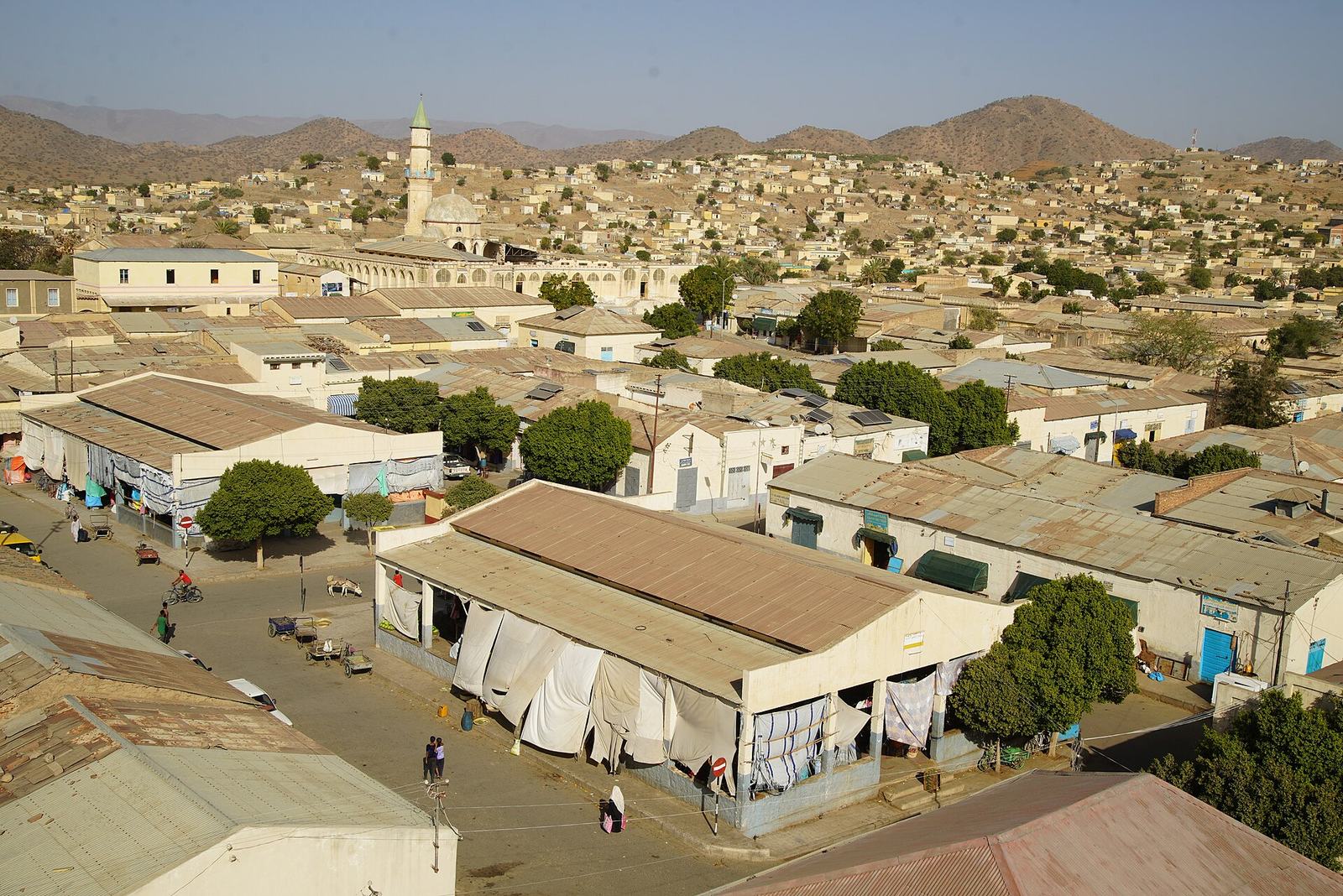
The drive from Asmara runs through Dekemhare, a small town with Italian era buildings and a big market, and Segeneiti, with its Catholic church. Further on, Adi Keyih is a busy highland market town and the best base for Qohaito. The monastery of **Debre Libanos**, set into a cliff near Ham, is one of the oldest in the country, though access is difficult and permission is needed.
Food and stays
Hotels in Adi Keyih and Senafe are simple and local. Expect injera with shiro or meat stews, fresh bread, sweet tea and coffee. Many visitors base themselves in Asmara and make a long day trip, but staying a night lets you see the plateau at sunrise.
Practical tips
Your travel permit must list the southern towns and sites, and some archaeological sites need extra permission, which a licensed tour operator in Asmara can arrange. This region lies towards the Ethiopian border, so read your government's travel advice carefully: some governments advise against travel close to the border, and rules can change. Bring warm layers, as nights at altitude are cold, plus cash, water and snacks.
Village life and walking
Beyond the ruins, the southern plateau is wonderful for short walks among terraced fields, stone farmhouses and eucalyptus groves. Children will greet you, farmers may invite you for coffee, and on market days the towns fill with donkeys and colourful shawls. Keep walks short and on clear paths near towns, ask locally before heading off, and never approach military posts. Sunrise and sunset light on the gorges is spectacular.
Combining the south with Asmara
A practical plan is to leave Asmara early, stop in Dekemhare for coffee and the market, continue to Qohaito for the morning, sleep in Adi Keyih or Senafe, visit Metera the next day and return to the capital by evening. Make sure every town and site on that route is listed on your travel permit before you set off.
Questions about the southern highlands
Can I visit Qohaito in a day from Asmara?
Yes, it is a long day of around three hours each way. Staying in Adi Keyih makes it more relaxed and lets you add Metera.
Do I need special permission for Qohaito?
You need a travel permit listing the area, and archaeological sites may need extra permission from the authorities. A licensed tour operator in Asmara can arrange it.
Is the area near the Ethiopian border safe?
Some governments advise against travel close to the border. Check the latest official travel advice before planning, and keep to the main towns and sites.
What is the Safra dam?
An ancient stone dam at Qohaito, built many centuries ago and still used by local people to hold water, one of the most remarkable surviving structures on the plateau.
Facts checked . Fees, schedules and entry rules change, so always confirm the latest with the official source.