At a glance
- Best for
- Old town walks, seafood, beaches and island trips
- Getting there
- Three to four hours by road from Asmara
- Time needed
- Two to three days
- Best season
- November to March, when the heat eases
- Languages
- Tigrinya, Arabic and Tigre
- Getting around
- On foot, taxis and arranged boats
Why visit Massawa
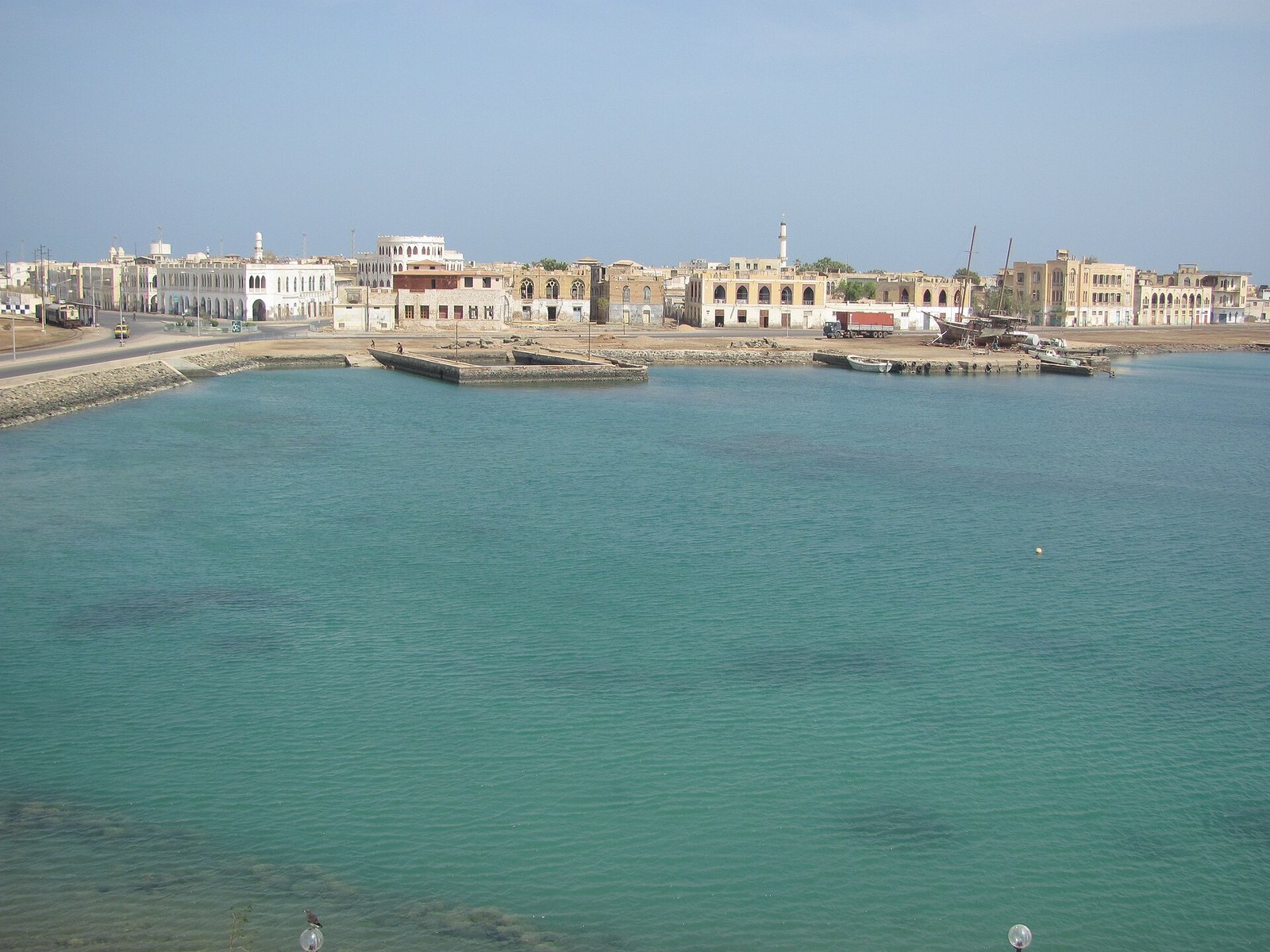
Massawa has been a trading port for centuries, linking the highlands to Arabia, India and Egypt. Its old town on **Taulud** and **Massawa Island** is a maze of narrow lanes, merchant houses with wooden mashrabiya screens, small mosques and the shell of the Banco d'Italia. Some buildings were badly damaged in the independence war and have never been rebuilt, and walking past them at dusk is unforgettable. Today it is a quiet, slow place where life moves at the pace of the heat.
The drive down
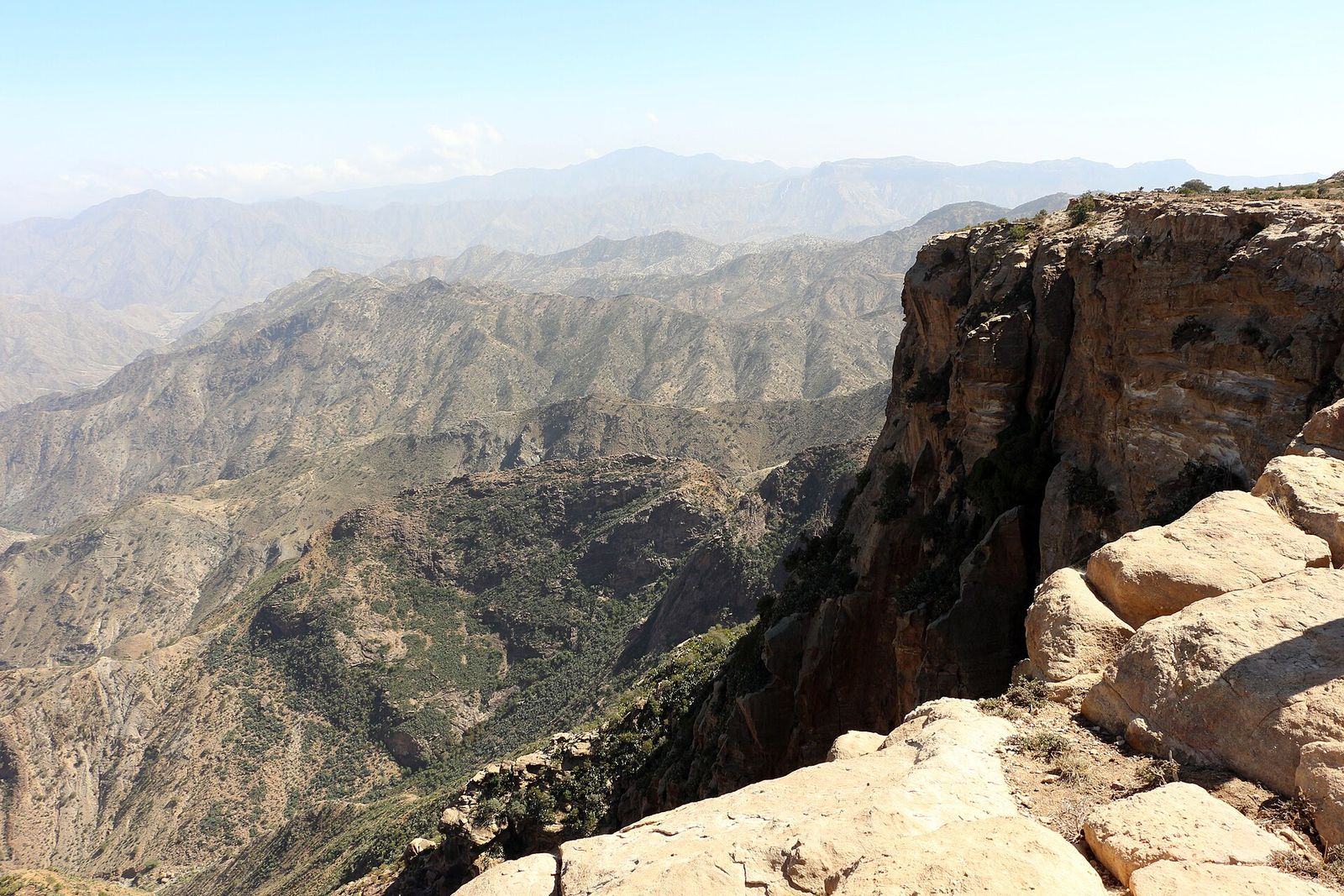
The road from Asmara is part of the experience. It drops more than two thousand metres in around a hundred kilometres, through hairpins, terraced hillsides, cactus forests and the market towns of Nefasit, Ghinda and Dongollo. On the right days the restored Asmara to Massawa railway runs steam excursions on part of the line, a dream for train lovers. The highlands can be cool and misty while the coast is baking, so dress in layers.
What to see
- **The old town**: wander the lanes of Massawa Island, see the Shaafi Mosque and Sheikh Hanafi Mosque from outside, and admire the arcades along the waterfront.
- **The Imperial Palace**: the domed former palace on Taulud, damaged in the war, is a striking landmark.
- **The Martyrs Monument**: three tanks on the causeway mark the decisive battle for Massawa in 1990.
- **Gurgusum Beach**: north of town, the main beach for swimming, with hotels and simple cafés.
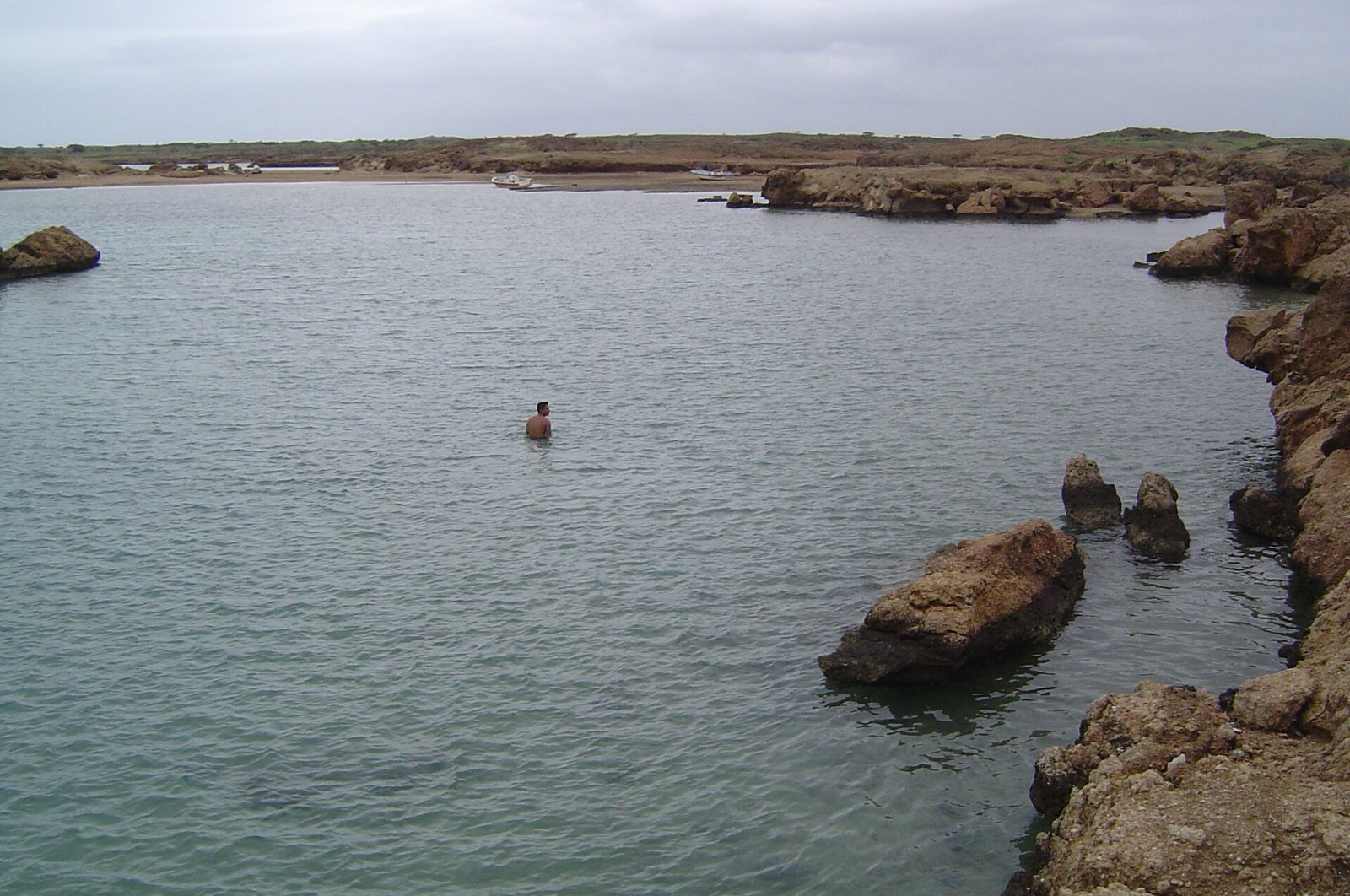
- **Green Island**: a short boat ride away for snorkelling and picnics.
Food
Massawa's signature dish is fish baked in a clay or tandoor style oven and served with flatbread and spicy sauce, eaten with your hands at simple restaurants near the port. Ask for the day's catch. Ful, shahi tea and fresh juices are breakfast staples, and Yemeni influence shows in the spices and breads.
Heat and timing
Massawa is one of the hottest towns on earth in summer, when temperatures regularly pass forty degrees and humidity is high. Visit between November and March if you can, explore early and late, and rest in the middle of the day. Drink plenty of water and carry sunscreen and a hat.
Practical tips
You will need a travel permit from Asmara listing Massawa, and a separate permit for the Dahlak islands, which is usually arranged with a licensed operator. Bring enough cash, as there is nowhere to use foreign cards. Respect local dress norms in the old town, especially near mosques, with shoulders and knees covered.
A little history
Massawa was ruled in turn by the Ottomans, the Egyptians and the Italians, who made it the first capital of their colony before moving to Asmara. An earthquake in 1921 and heavy bombing during the independence war destroyed much of the town, and many grand buildings still stand as shells. That layered history is what makes walking the old town so moving, and why it is worth hiring a local guide for an hour or two to explain what you are seeing.
Questions about Massawa
How do I get from Asmara to Massawa?
By bus, shared minibus or a hired car and driver arranged through your hotel or a licensed tour operator. The drive takes three to four hours. Make sure your travel permit lists Massawa.
Can I swim in Massawa?
Yes. Gurgusum Beach is the most popular spot, and Green Island is good for snorkelling. Avoid swimming in the port area itself.
When is Massawa too hot?
From about May to September the heat and humidity are extreme. The winter months are far more comfortable and suit beach and boat trips.
Is Massawa the starting point for the Dahlak islands?
Yes. Boats leave from Massawa, but trips need a separate permit and are best arranged ahead through a licensed operator.
Facts checked . Fees, schedules and entry rules change, so always confirm the latest with the official source.