At a glance
- Best for
- Markets, history, crafts and a slower pace
- Getting there
- Around two to three hours by road from Asmara
- Time needed
- One or two nights
- Best season
- October to March
- Languages
- Tigre, Bilen, Tigrinya and Arabic
- Getting around
- On foot and short taxi rides
Why visit Keren
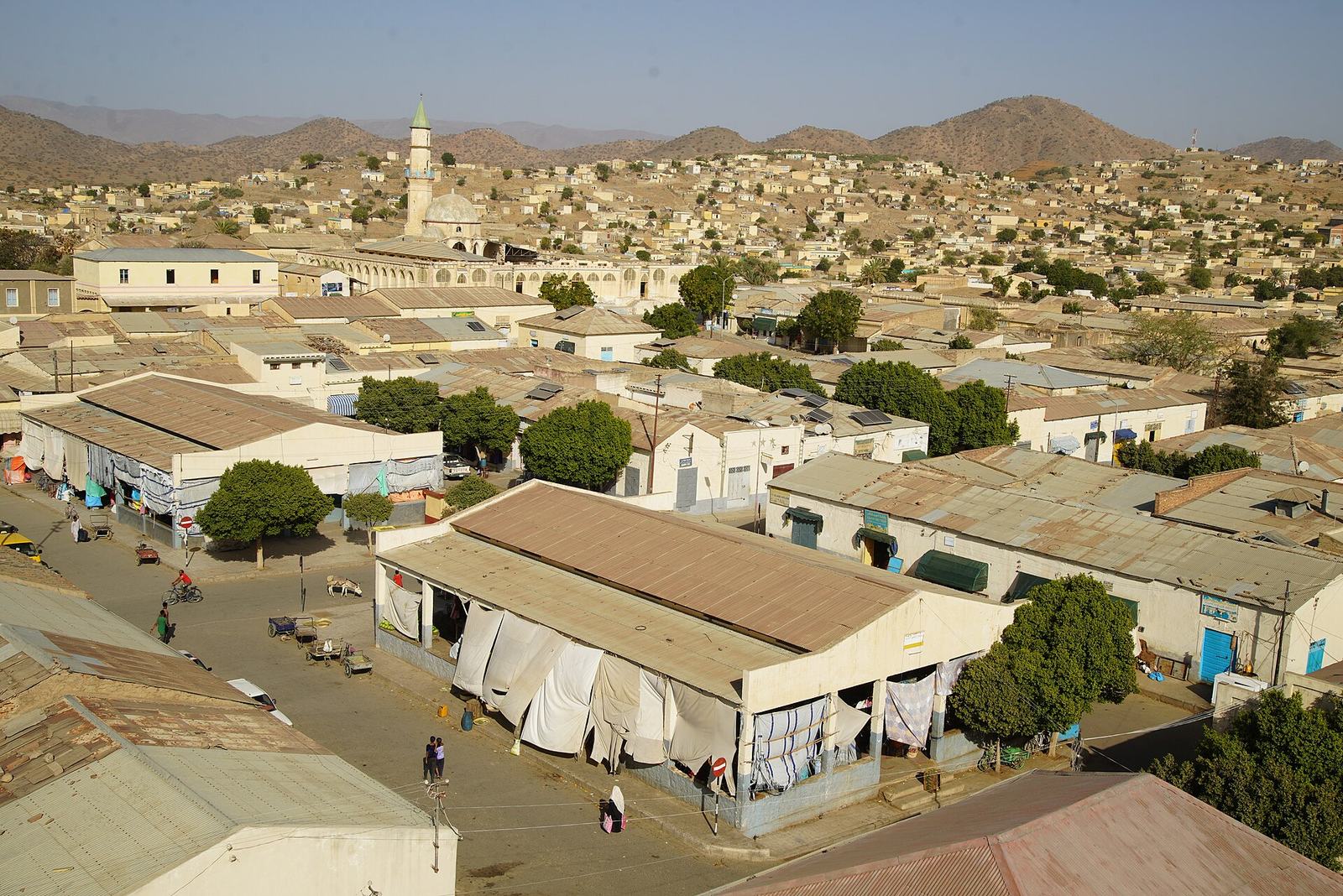
Keren is lower and warmer than Asmara and feels more like a market town than a capital. Bougainvillea spills over walls, women in bright scarves sell vegetables, and camels arrive from the lowlands for the weekly market. It is easy to see in a day, but staying a night lets you enjoy the evening light on the mountains and the slow rhythm of the place.
The road from Asmara
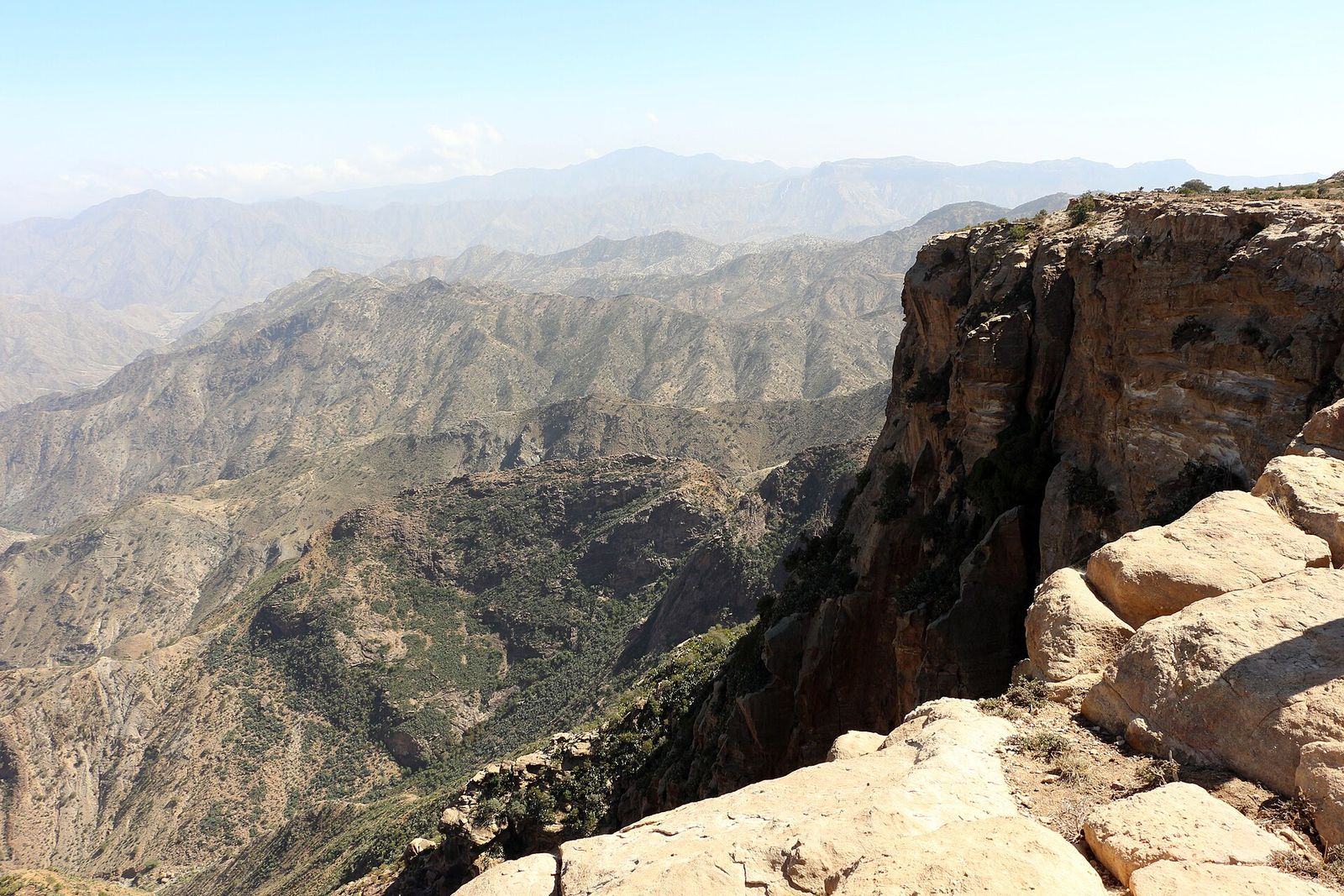
The drive north west drops off the plateau through the Anseba valley, past villages, cactus and sometimes baboons on the roadside. It takes around two to three hours with checkpoints, where you show your travel permit.
What to see
- **The Monday market**: on the edge of town, camels, goats, cattle and donkeys change hands in a cloud of dust and bargaining. Arrive early in the morning for the busiest scenes and ask before taking photos of people.
- **The covered markets**: the town centre has a silver market where smiths make jewellery, plus stalls for spices, baskets and fabric.
- **Mariam Dearit**: a few kilometres outside town, a tiny shrine to the Virgin Mary sits inside the trunk of a huge baobab tree. Pilgrims gather here in large numbers for the feast in late May.
- **The war cemeteries**: the Commonwealth War Cemetery and the Italian cemetery remember the 1941 Battle of Keren, when British and Indian troops fought Italian forces for weeks in the mountains. They are peaceful and beautifully kept.
- **Fort Keren**: the old Egyptian era fort on the hill of Tigu gives wide views over the town and the battle ground.
- **St Michael's Cathedral and the Grand Mosque**: landmarks of the town's mixed faiths.
Food and drink
Try ful and fresh bread for breakfast, goat meat dishes, and the region's famous fruit: the Anseba valley grows bananas, papaya, citrus and prickly pears in season. Small cafés serve sweet shahi tea and strong coffee.
Practical tips
You need a travel permit for Keren. Bring cash, as there is nowhere to use cards. Hotels are simple, so book ahead through Asmara if you can. Dress modestly, particularly around mosques and on market day, and remember that photography of checkpoints, soldiers and government buildings is not allowed.
A little history
Keren grew around an Egyptian garrison in the nineteenth century and became a key stronghold for each power that followed. In 1941 it was the scene of the decisive battle of the East African campaign, and during the independence war it again saw heavy fighting. Today it is peaceful and proud, and its blend of peoples and faiths makes it one of the most interesting places in the country to simply sit, sip tea and watch daily life. Evenings are pleasant, and the mountains glow at sunset.
Where to stay and eat
Keren's hotels are simple and central, so you can walk to the markets, cafés and churches. Eat in the small restaurants around the market, where goat stews, ful and fresh bread are local favourites, and finish with fruit from the Anseba gardens.
Questions about Keren
What day is the Keren market?
The big livestock market is on Monday mornings. Some trading happens on other days, but Monday is when it is at its liveliest.
Can I visit Keren as a day trip from Asmara?
Yes, it is possible, but an overnight is more relaxed and lets you reach the Monday market early.
Can anyone visit Mariam Dearit?
Yes. Visitors of any faith are welcome at the baobab shrine. Dress modestly and be respectful, especially during services and the annual feast.
What happened at the Battle of Keren?
In early 1941 British Commonwealth troops, many of them Indian, fought Italian and Eritrean colonial forces for nearly two months in the mountains around Keren. The battle opened the way to Asmara.
Facts checked . Fees, schedules and entry rules change, so always confirm the latest with the official source.