At a glance
- Best for
- Museums, street art, food, culture and mountain views
- Main airport
- El Dorado International (BOG), about 30 to 45 minutes from the centre
- Altitude
- Around 2,600 metres above sea level
- Climate
- Cool all year, often with afternoon showers
- Time needed
- Two to three days, plus a day trip
- Where to stay
- Chapinero, Zona G, Usaquén or a careful pick in La Candelaria
Why go
Bogotá is the beating heart of Colombia: the seat of government, a hub for artists and universities, and home to people from every corner of the country. That mix shows up in the food, the music and the museums. The city is high, at around 2,600 metres, so it is cool all year, with crisp mornings, sudden showers and evenings that call for a jacket.
La Candelaria and the centre
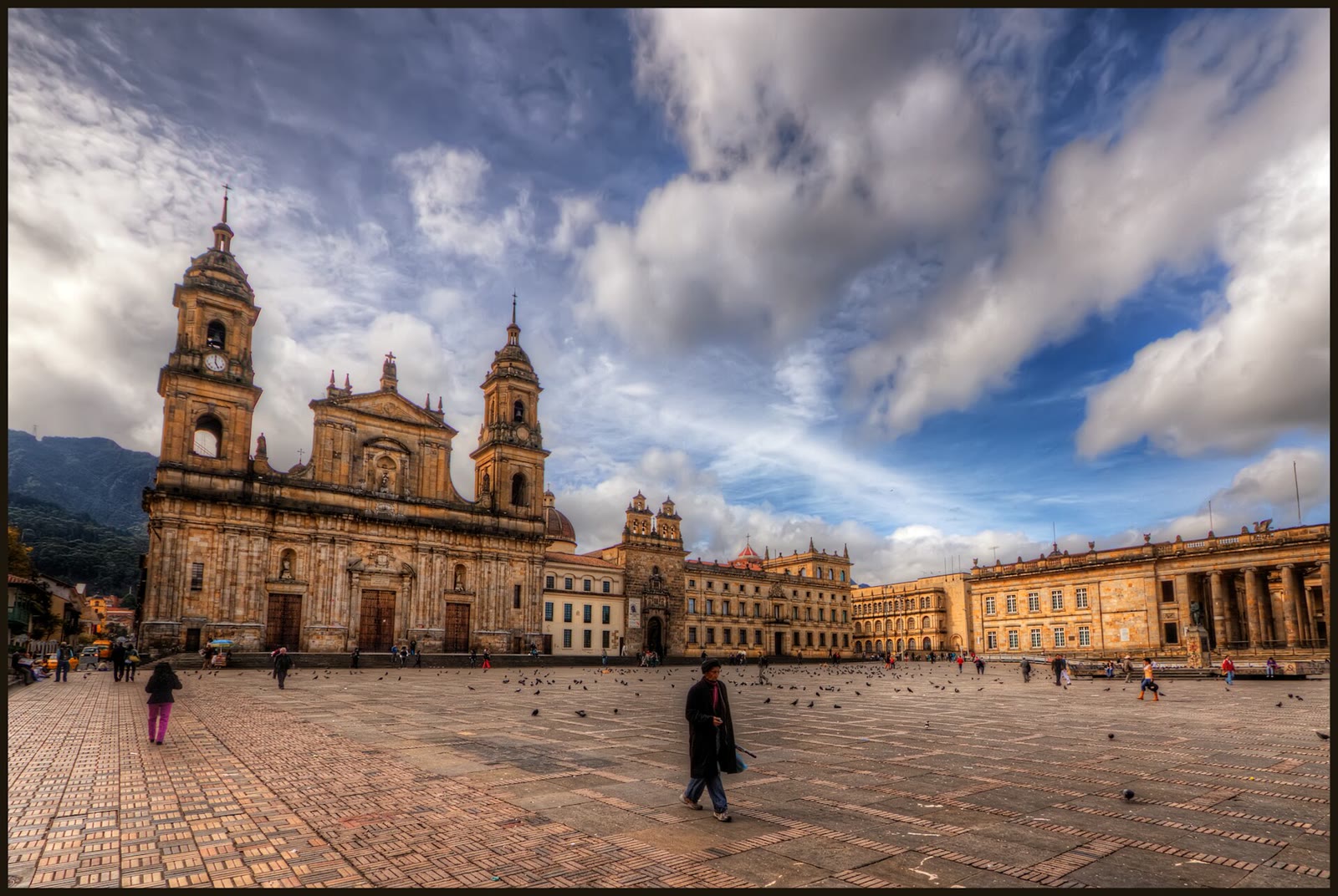
The historic centre, **La Candelaria**, is a grid of colonial houses with red tiled roofs, steep lanes and colourful street art. Start at **Plaza de Bolívar**, ringed by the cathedral, the Capitol and the Palace of Justice. Nearby, the **Gold Museum** (Museo del Oro), run by Colombia's central bank, holds tens of thousands of pre-Hispanic gold pieces, including the famous Muisca raft linked to the legend of El Dorado. The **Botero Museum** shows Fernando Botero's rounded figures alongside his own collection of European art, and is free. A guided graffiti tour is one of the best ways to understand the city's recent history.
La Candelaria is busy and safe enough by day, but it empties after dark and petty theft is common. If you stay there, choose a well reviewed hotel and take an app taxi at night.
Monserrate
The white church of **Monserrate** sits on a peak above the centre at over 3,100 metres. Ride the cable car or funicular up for a sweeping view of the city, especially on a clear morning. Walking up the stone path is a local tradition on weekend mornings, but take it slowly because of the altitude, and only go in daylight when plenty of people are around.
The north: Chapinero, Zona G and Usaquén
North of the centre, **Chapinero** and the **Zona G** (G for gourmet) hold many of the city's best restaurants, cafés and bars. **Zona T** and **Parque 93** are the polished nightlife and shopping districts. Further north, **Usaquén** was once a separate village and keeps its colonial square, with a lively Sunday flea market of crafts, street food and live music.
Food and markets
Try **ajiaco**, Bogotá's signature chicken and three potato soup with corn, capers and cream, and **changua**, a milk and egg breakfast soup. Hot chocolate served with cheese to drop into the cup is a local ritual. **Paloquemao Market** is a riot of exotic fruit, flowers and food stalls; go in the morning and ask vendors to let you taste lulo, granadilla and guanábana.
Day trips
The **Salt Cathedral of Zipaquirá** is an underground church carved inside a salt mine, about an hour or so north. The colonial town of **Villa de Leyva**, with one of the largest cobbled squares in the Americas, makes a lovely overnight trip. Lake Guatavita, the sacred lake of the Muisca, combines well with Zipaquirá.
Getting around
The TransMilenio bus rapid transit system is cheap and extensive but very crowded at rush hour, when pickpockets work the buses. Use app taxis or registered taxis for most journeys, especially at night. On Sundays and holidays the **Ciclovía** closes major roads to cars so locals can cycle, run and skate, and renting a bike or joining a bike tour is a joy.
Safety
Treat Bogotá like any big city. Phone snatching is the most common crime, so keep your phone out of sight on the street and in taxis. Never hail taxis on the street at night, never accept drinks from strangers and be cautious with dating app meetings. Check your government's current travel advice before you go.
Questions about Bogotá
How many days do I need in Bogotá?
Two full days covers La Candelaria, the Gold Museum, the Botero Museum and Monserrate. Add a third for Usaquén, the markets and the north, and a fourth for the Salt Cathedral or Villa de Leyva.
Will I feel the altitude in Bogotá?
Some people feel breathless or tired on the first day, as the city sits at around 2,600 metres. Take it easy, drink water and go light on alcohol at first. Most visitors adjust within a day or two.
Where is the best area to stay in Bogotá?
Chapinero and the Zona G suit food lovers, the Zona T and Parque 93 area suits first-timers who want polish and nightlife, and Usaquén is quieter. La Candelaria is central for sights but quiet and less safe at night.
Is the Gold Museum worth it?
Yes. It is one of the finest museums in South America, with clear displays in English and Spanish. Allow at least two hours, and note it is closed on Mondays.
Facts checked . Fees, schedules and entry rules change, so always confirm the latest with the official source.