At a glance
- Best for
- Colonial architecture, romance, food, beaches and islands
- Main airport
- Rafael Núñez International (CTG), about 15 minutes from the old town
- Climate
- Hot and humid all year, wetter from about September to November
- Time needed
- Three to four days including an island trip
- Where to stay
- The walled city, Getsemaní or Bocagrande
- UNESCO
- Port, fortresses and group of monuments listed as World Heritage
Why go
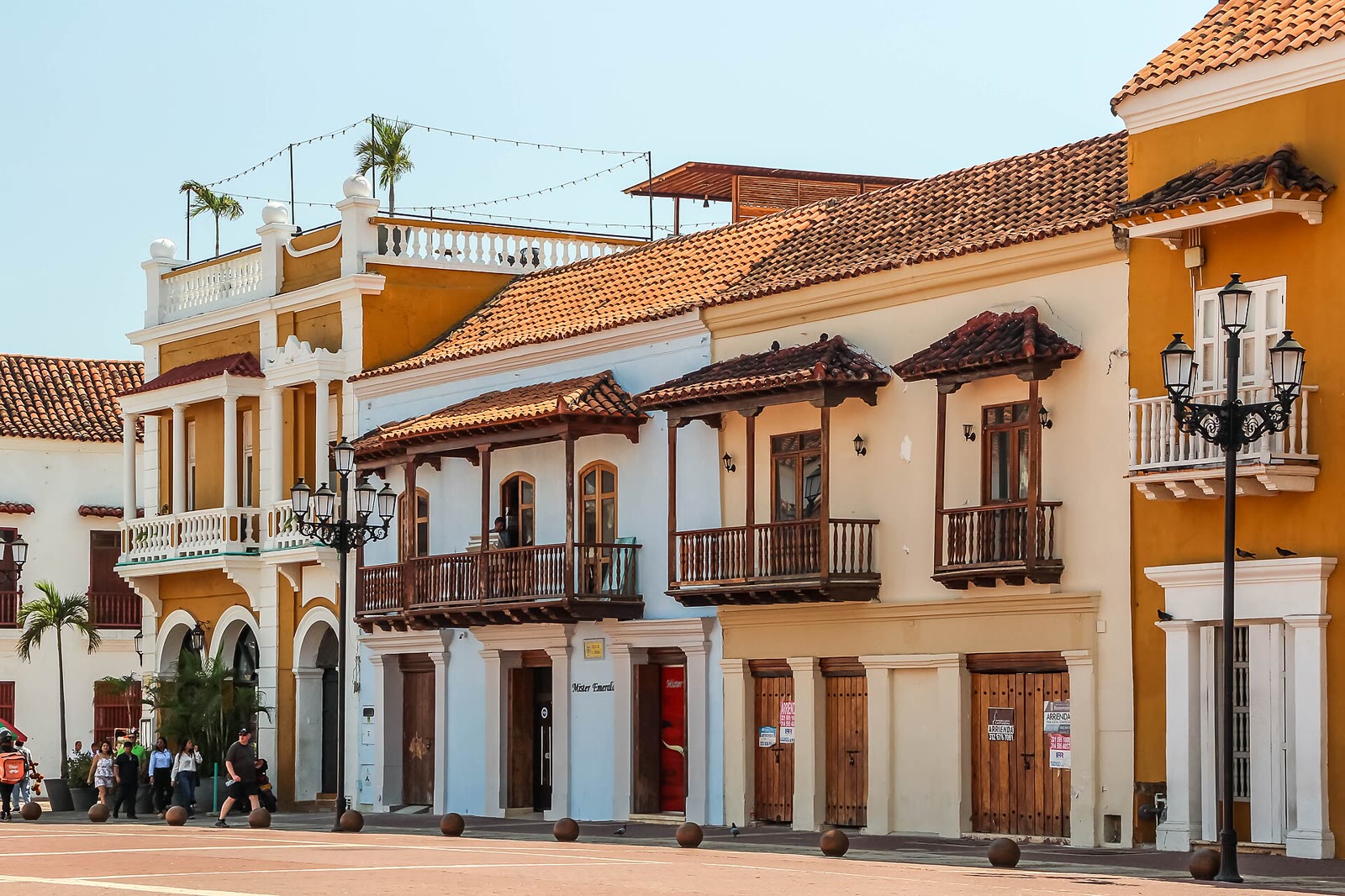
Few cities anywhere match Cartagena's old town for sheer beauty. Founded in 1533, it grew rich as a port for gold and silver and as a centre of the slave trade, and built massive walls and fortresses against pirate attacks. Today the walled city is a UNESCO World Heritage Site, full of boutique hotels, restaurants and plazas that come alive in the cooler evenings.
The walled city
Enter through the **Clock Tower** gate into **Plaza de los Coches**, then wander. Highlights include **Plaza Santo Domingo** with its Botero sculpture, the **San Pedro Claver Church**, honouring the Jesuit who ministered to enslaved Africans, the **Palace of the Inquisition** museum and the quieter **San Diego** quarter. At sunset, walk on top of the **city walls**, where locals and visitors gather to watch the sun drop into the sea.
Getsemaní
Just outside the walls, **Getsemaní** was once the working class district and is now the city's most vibrant neighbourhood, with murals, umbrellas strung over the lanes and a lively square, **Plaza de la Trinidad**, where street performers gather at night. It has the best range of guesthouses and hostels and a more local feel.
Castillo San Felipe
The **Castillo San Felipe de Barajas** is the largest Spanish fortress in the Americas, a maze of ramparts and tunnels on a hill just east of the old town. Go early in the morning before the heat builds, and consider a guide to explain the battles fought here.
Beaches and islands
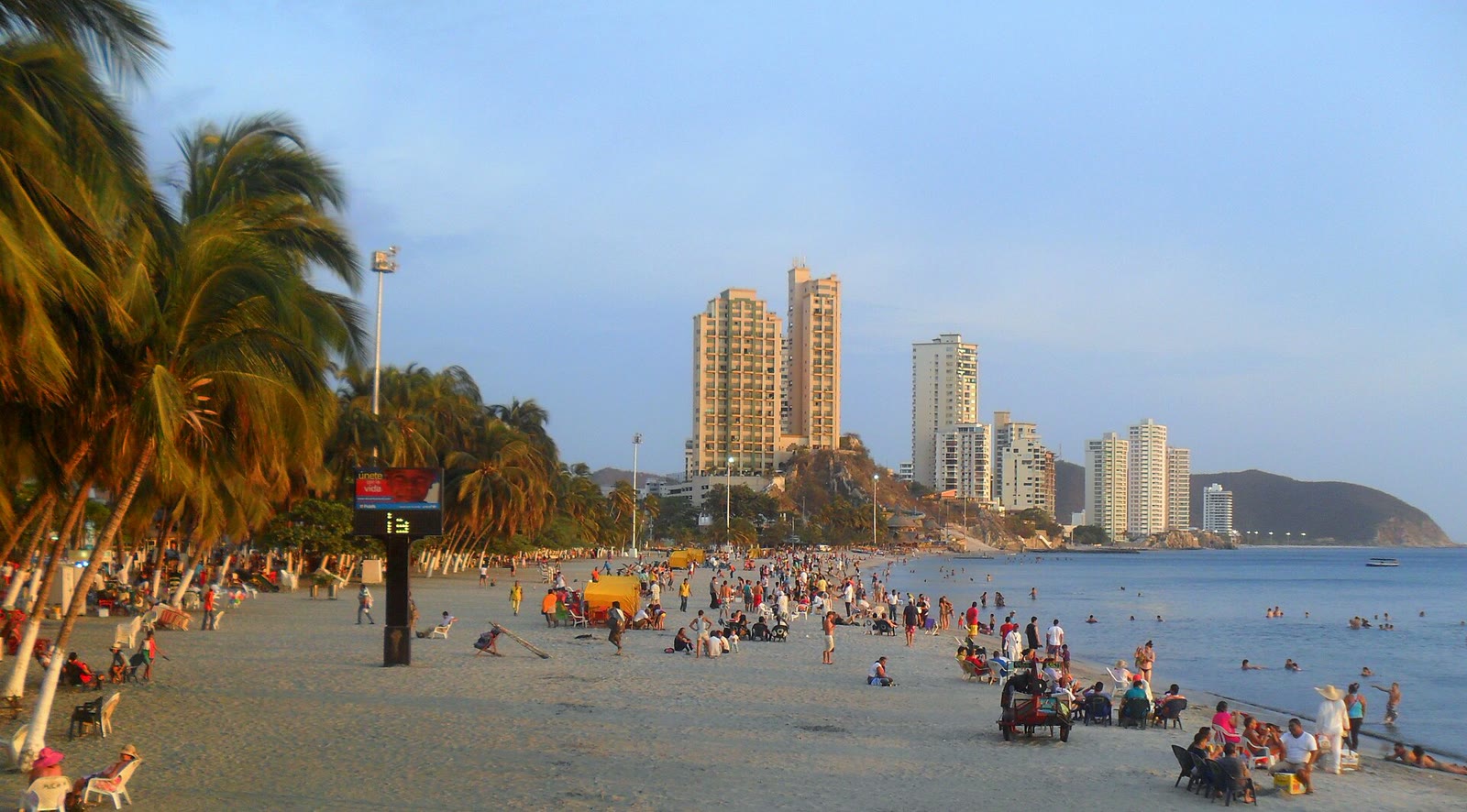
Cartagena's city beaches in **Bocagrande** are convenient but not beautiful. For clear water, take a boat to the **Rosario Islands**, part of a national park of coral reefs, or to **Playa Blanca** on Barú. Choose a reputable operator, check the boat has life jackets and confirm exactly what is included before you pay. Port and park fees are often collected separately. **Tierra Bomba** is a short boat ride for a quieter beach club day.
Food and drink
The coast has its own cuisine: **fried fish with coconut rice and patacones**, **arepas de huevo** (fried corn cakes with an egg inside), **ceviche**, **posta negra** (beef in a dark sweet sauce) and tropical juices. Street vendors sell fresh fruit in the plazas, and the old town has some of the finest restaurants in Colombia.
Day trips
**Palenque de San Basilio**, the first free town of escaped enslaved Africans in the Americas, keeps its own language, music and traditions and is recognised by UNESCO. The **Totumo mud volcano** is a quirky outing where you float in warm mud. The **Mompox** colonial river town is a longer trip deeper inland.
Heat, hustle and safety
Cartagena is hot and humid all year, so plan sightseeing for mornings and evenings. Street sellers and touts are persistent in the old town and on beaches: a firm, polite no works. Agree prices before any service, from horse carriages to beach massages. Keep valuables secure, use registered taxis or apps, and be aware that drug and sex tourism draws scams and police attention. Check your government's current travel advice before you go.
Questions about Cartagena
How many days do I need in Cartagena?
Two days covers the walled city, Getsemaní and the fortress. Add a day for the Rosario Islands or Playa Blanca, and another if you want to relax by a pool.
Are the beaches in Cartagena good?
The city beaches are fine for a dip but not the Caribbean of postcards. Head to the Rosario Islands, Barú or Tierra Bomba for clearer water and white sand.
Is Cartagena expensive?
It is the most expensive city in Colombia, especially inside the walls. Getsemaní has more mid-range and budget options, and eating at local spots away from the main plazas saves a lot.
When is the best time to visit Cartagena?
December to April is the driest and breeziest time, but also the busiest, especially around Christmas and Easter. September to November is the wettest period.
Facts checked . Fees, schedules and entry rules change, so always confirm the latest with the official source.