At a glance
- Best for
- River life, southern culture and family visits
- Gateway
- Road from N'Djamena, or domestic flights when running
- Time needed
- Two to three nights
- Best season
- November to February
- Language
- French, Sara languages and Chadian Arabic
- Known for
- Cotton, mangoes and the Chari river
Why visit Sarh
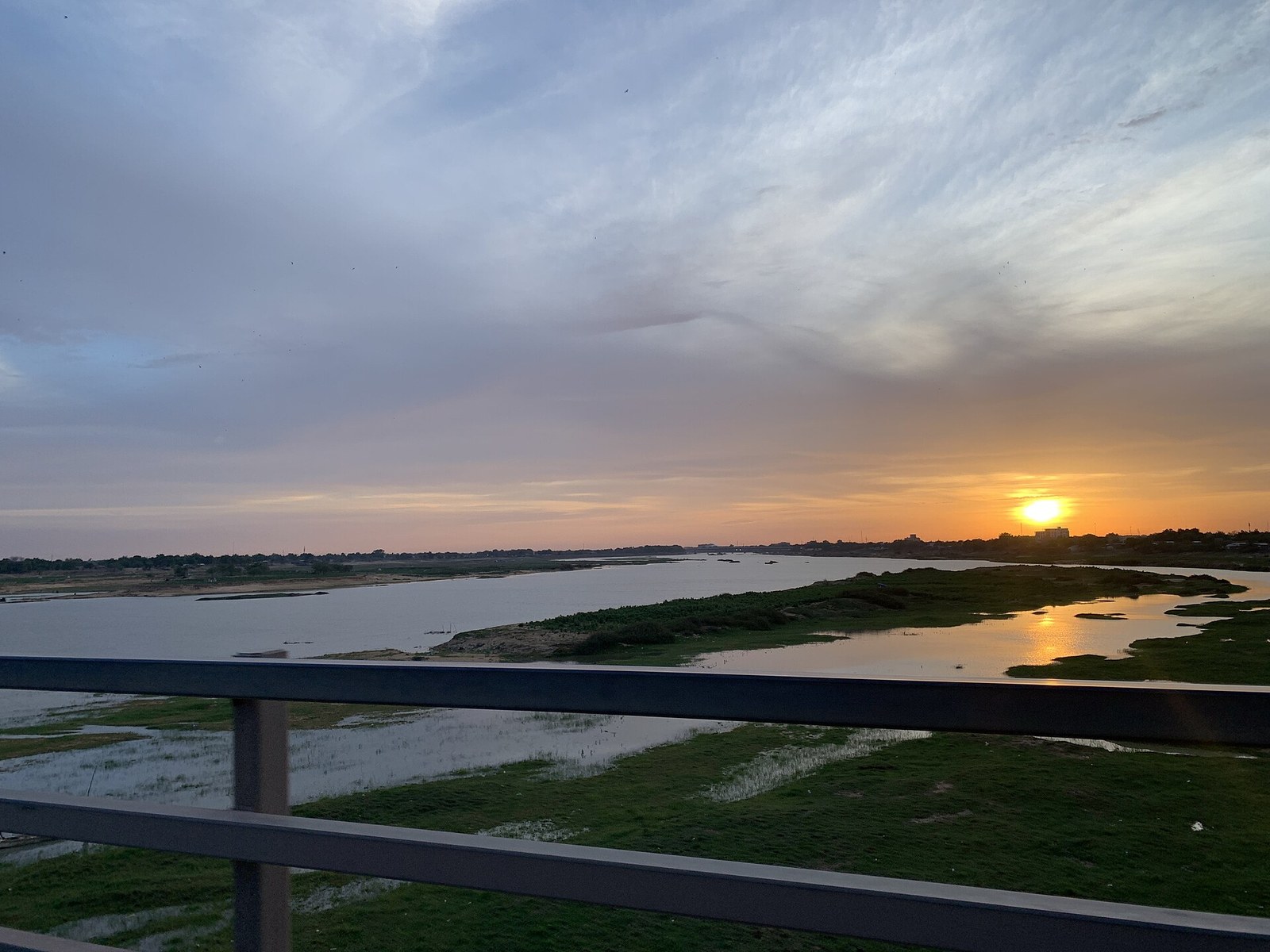
The south of Chad is greener, wetter and more densely farmed than the north, and Sarh is its main town. The Sara peoples make up much of the population, alongside many other groups, and Christianity and traditional beliefs are more visible here than in the capital. Cotton has long shaped the local economy, and the town grew around a French post founded in the early twentieth century. Today it is a relaxed place to walk, eat and watch life along the river.
What to see and do
The Musée Régional de Sarh holds collections of traditional musical instruments, masks, tools and objects from the peoples of the south, and is one of the better museums in the country; check its opening before you go. The riverbank is the town's social centre, with fishermen, washing places and boats crossing to the far bank. The central market is busy and colourful, with fish, mangoes in season, peanuts, sesame and local cloth. Churches, the cathedral and tree-lined avenues from the colonial era add to the atmosphere.
Nature nearby
The region around Sarh holds several protected areas. Manda National Park lies close to the town, and Siniaka-Minia and the wider Salamat area stretch to the north east towards Zakouma. Wildlife in most of these areas is thin compared with Zakouma, and access can be difficult, so ask locally before planning a visit. Lake Iro, a large seasonal lake to the north east, is beautiful but remote.
Food and drink
Sarh is known for fish from the Chari, mangoes, groundnut sauces and boule made from millet, sorghum or cassava. Bili-bili, a home-brewed sorghum beer, is a southern tradition, and Gala beer from the Moundou brewery is everywhere. Small restaurants and street grills around the market and the river serve simple, satisfying meals.
Getting there
Sarh is linked to N'Djamena by a long road through the south, a full day or more of driving. Domestic flights have run at times, but schedules change, so check before you rely on one. Travel by road only in daylight, with a reliable driver, and allow for checkpoints.
Where to stay
Accommodation is simple: a handful of hotels and guesthouses with fans or air conditioning, generators and basic restaurants. Many diaspora visitors stay with family. Bring a torch, as power cuts are common, and a mosquito net or repellent.
Staying safe
Sarh is generally calmer than the border zones, but government travel advice covers areas near the Central African Republic border to the south. Check the current advice before travelling, avoid travelling at night and keep a low profile at times of political tension.
Who Sarh suits
Sarh suits diaspora families from the south, travellers interested in everyday Chadian life, and anyone combining a family visit with time by the river. It is not a big sightseeing destination, but its relaxed pace, friendly people and green surroundings make it a welcome contrast to the heat and bustle of the capital. Pair it with Moundou for a fuller picture of southern Chad.
Questions about Sarh
What is Sarh known for?
The Chari river, cotton, mangoes, its regional museum and its role as the main city of Chad's south.
How far is Sarh from N'Djamena?
It is a long day's drive or more by road. Domestic flights have run at times, so check current options.
Is Sarh a good base for safaris?
Nearby parks are hard to access and wildlife is limited. For a safari, Zakouma is the better choice.
When is the best time to visit Sarh?
November to February is dry and pleasant. The rainy season, roughly May to October, makes roads difficult.
What language is spoken in Sarh?
French is used in offices and shops, while Sara languages are the everyday tongue for many people, alongside Chadian Arabic in the markets.
Facts checked . Fees, schedules and entry rules change, so always confirm the latest with the official source.