At a glance
- Best for
- Desert landscapes, rock art and photography
- Gateway
- N'Djamena, then road or charter flight
- Time needed
- Ten to fifteen days as an expedition
- Best season
- November to February
- UNESCO
- Ennedi Massif: Natural and Cultural Landscape
- Getting there
- Only with a specialist operator
What makes Ennedi special
Ennedi rises from the sands of north eastern Chad, a plateau of red and ochre sandstone that has been sculpted into some of the most dramatic natural forms on Earth. In 2016 UNESCO listed it as the Ennedi Massif: Natural and Cultural Landscape. Since 2018 a large protected area has been managed by African Parks with the government of Chad, working with local communities to protect wildlife and heritage.
The highlights
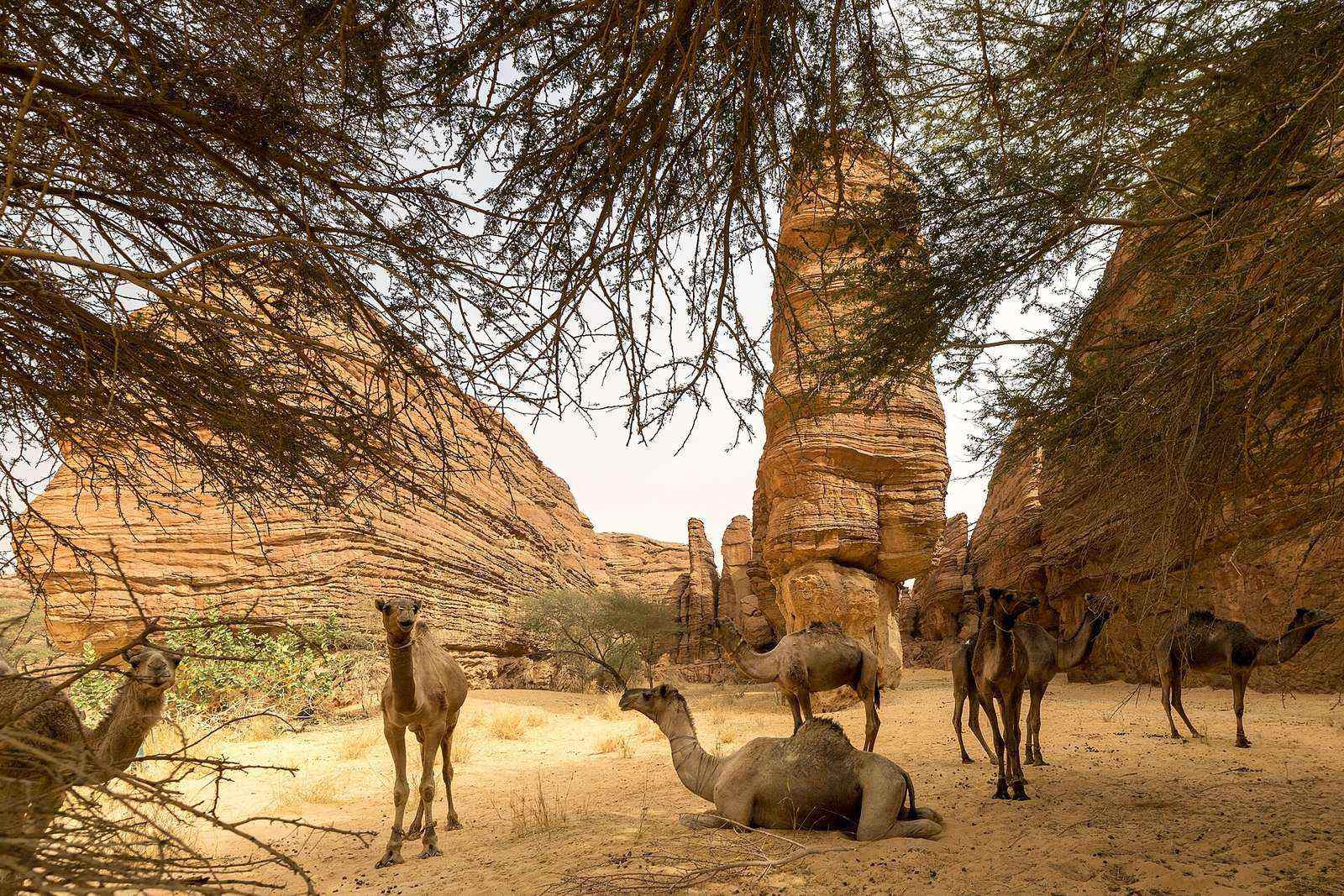
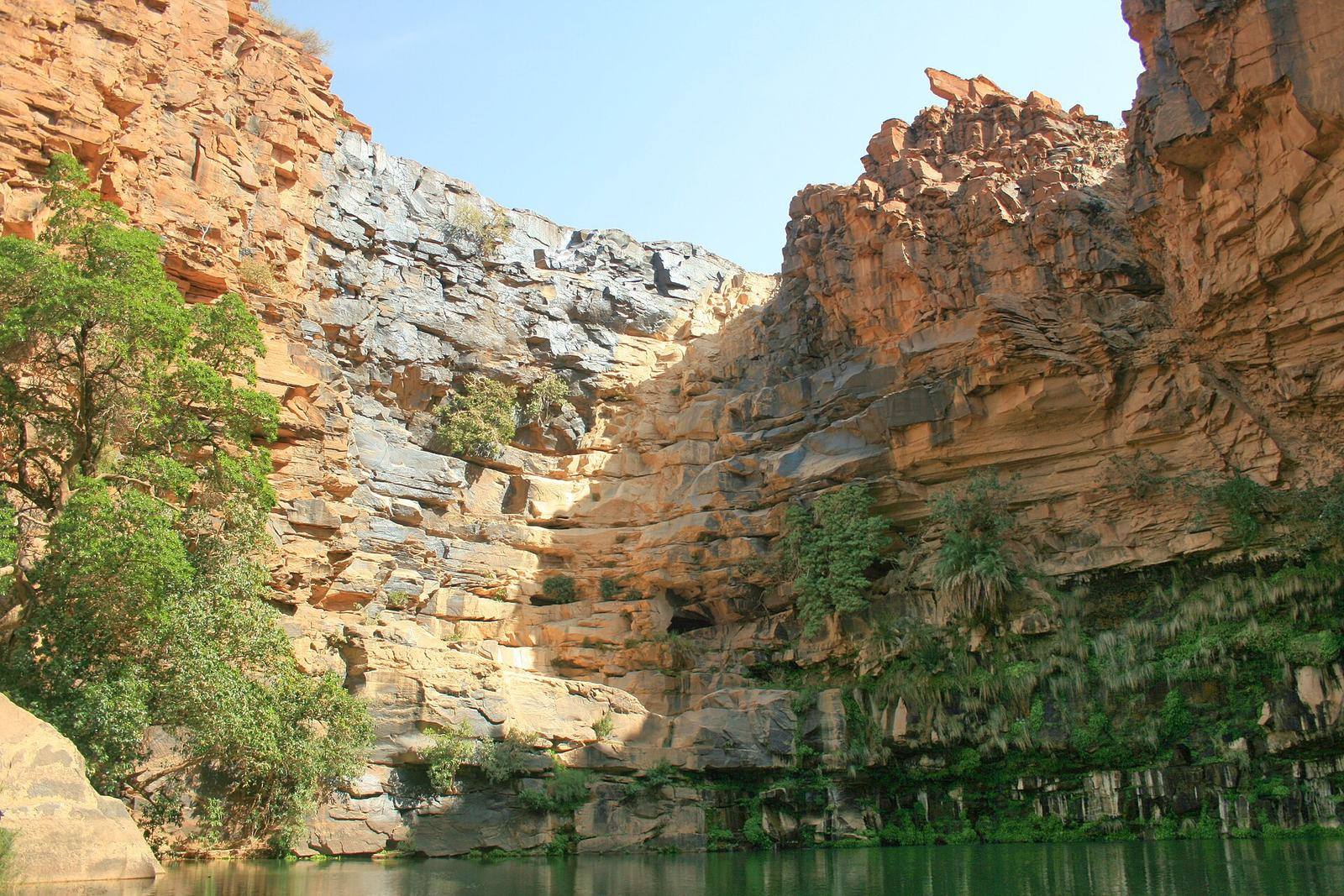
The Aloba Arch is one of the tallest natural arches in the world, soaring well over a hundred metres above the sand. The Guelta d'Archei is a deep gorge holding a permanent pool where camel herds come to drink and where a tiny relict population of West African crocodiles survives, far from any river. Elsewhere you will find stone pillars, mushroom rocks, the so-called Elephant Rock and narrow canyons that open onto wide sand valleys. Rock art sites such as those around Terkei, Manda Guéli and Niola Doa show cattle, horses, camels and people painted over thousands of years, a record of a greener Sahara.
The people
Ennedi is home to Toubou and Zaghawa herders and other groups who move with their camels and goats between wells and gueltas. Fada is the main town. Visits to camps or markets should always be arranged through your guides, who know the families and the etiquette, and photography of people needs permission every time.
How trips work
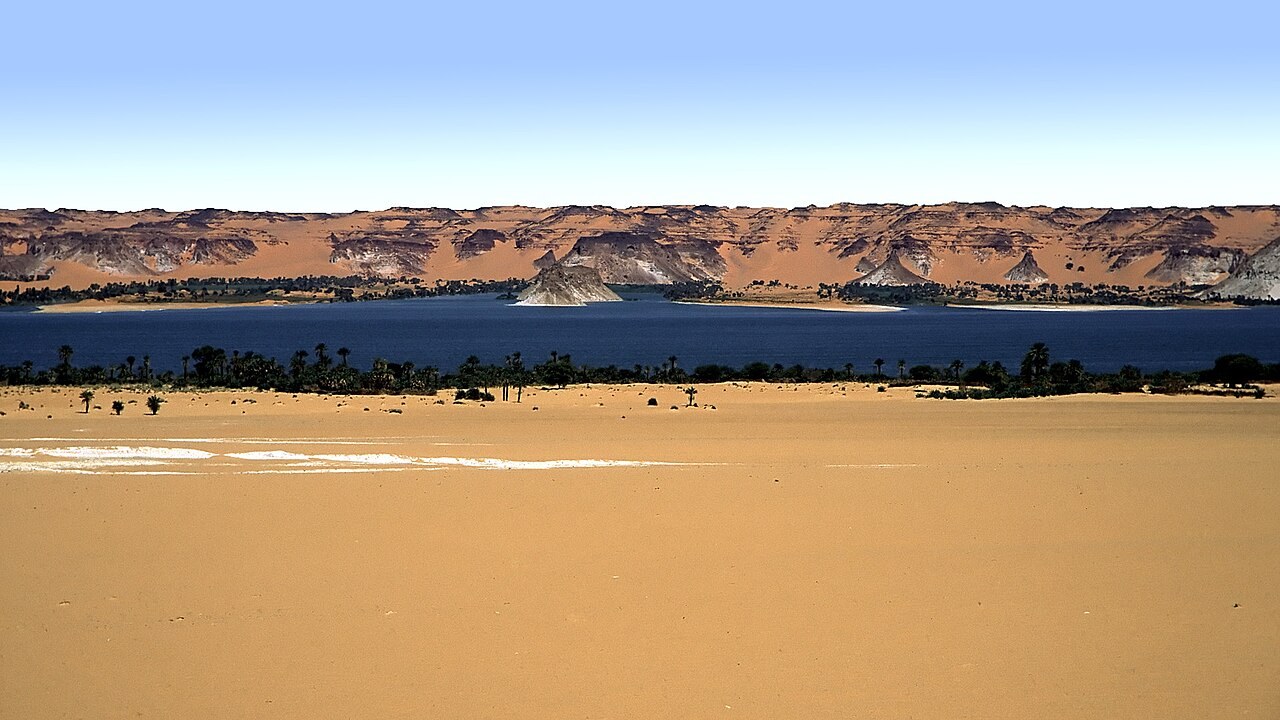
There is no independent tourism here. Visitors join expeditions run by specialist operators, usually with four-wheel-drive vehicles, experienced drivers and cooks, camping under the stars for most of the trip. Some itineraries fly by charter from N'Djamena to an airstrip near Fada to save long road days; others drive the whole way across the Sahel. Many combine Ennedi with the Ounianga lakes to the north west.
When to go
The best time is from November to February, when days are warm and nights cool to cold. From March the heat becomes intense, and summer brings scattered storms and high temperatures. Pack layers, a warm sleeping bag for desert nights and proper sun protection.
Safety and travel advice
Government travel advice warns against travel to much of northern Chad, which includes the approaches to Ennedi. Read your government's current advice carefully, understand what it means for your insurance, and travel only with an operator that has a strong safety record, current local knowledge and the right permits. Expect checkpoints and permit checks along the way, and follow your guides' instructions closely.
Practical tips
Carry your passport, visa and any travel permits, with copies. Bring a headtorch, wet wipes, a power bank and a solar charger, as power is scarce. Water is carried by your operator, but bring purification tablets as a backup. Leave no trace at rock art sites, never touch the paintings and never take stones or artefacts away.
Who Ennedi suits
Ennedi suits experienced, adaptable travellers who are happy camping, long drives and limited washing facilities, and who accept the risks set out in government advice. Photographers, geologists, rock art lovers and anyone drawn to wild desert will find it one of the most rewarding places they ever visit.
Questions about the Ennedi Plateau
Can I visit Ennedi on my own?
No. Trips run as supported expeditions with specialist operators, and permits are required. Check current travel advice first.
What is the Aloba Arch?
A huge sandstone arch in Ennedi, one of the tallest natural arches in the world and the plateau's most famous sight.
Are there really crocodiles in the Sahara?
Yes. A very small population survives in the Guelta d'Archei, a relic of wetter times. They are rarely seen and should be watched from a distance.
When is the best time to visit Ennedi?
November to February, when daytime heat is manageable and nights are cool.
Facts checked . Fees, schedules and entry rules change, so always confirm the latest with the official source.