At a glance
- Best for
- Museums, architecture and Yoruba culture
- Distance from Cotonou
- Under an hour by road, traffic allowing
- Time needed
- A full day, or one night
- Best season
- November to March
- Don't miss
- Musée Honmè and the Grande Mosquée
- Language
- French, Goun and Yoruba
Why visit Porto-Novo
Cotonou has the business and the traffic, but Porto-Novo has the soul of old Benin. The city was founded as Hogbonou, became a kingdom often allied with the French, and later grew into the colonial capital of Dahomey. Afro-Brazilian returnees, Yoruba traders and Gun royalty all left their mark, and you can see it in the architecture, the markets and the masquerades.
Royal and colonial history
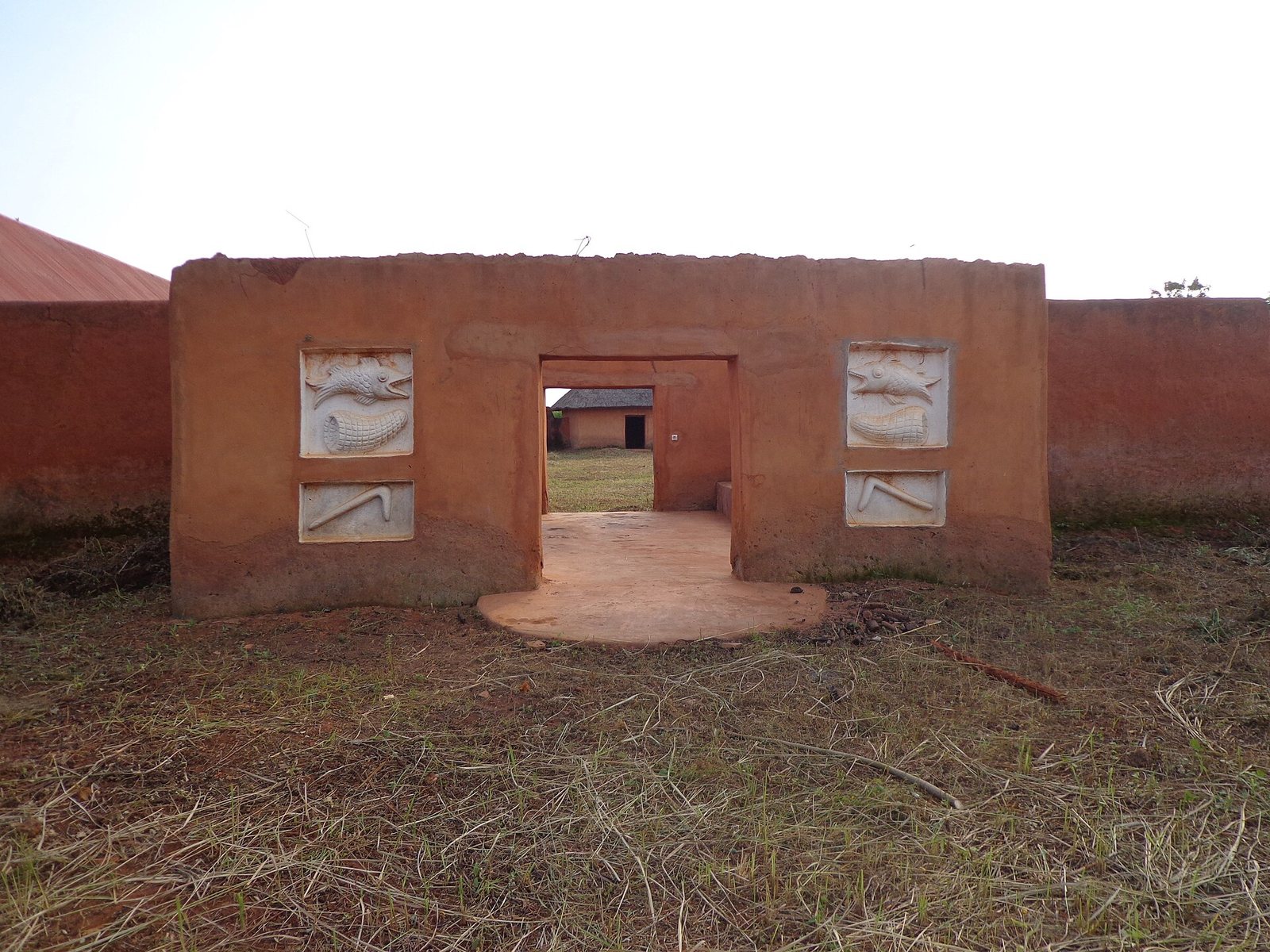
The **Musée Honmè** is the former palace of the kings of Porto-Novo, a series of earthen courtyards, shrines and rooms where kings once lived with their wives and advisers. Guides explain royal rituals and the secret passageways. Nearby, the **Musée Ethnographique Alexandre Sènou Adandé** holds one of the best collections of masks, drums and ceremonial objects in Benin, especially strong on Yoruba Gelede and Egungun traditions.
The **Musée Da Silva** is a private museum of Afro-Brazilian history in a family mansion, full of photographs, furniture and even old cars. It is quirky, personal and a good way to understand the families who came back from Brazil.
The Grande Mosquée
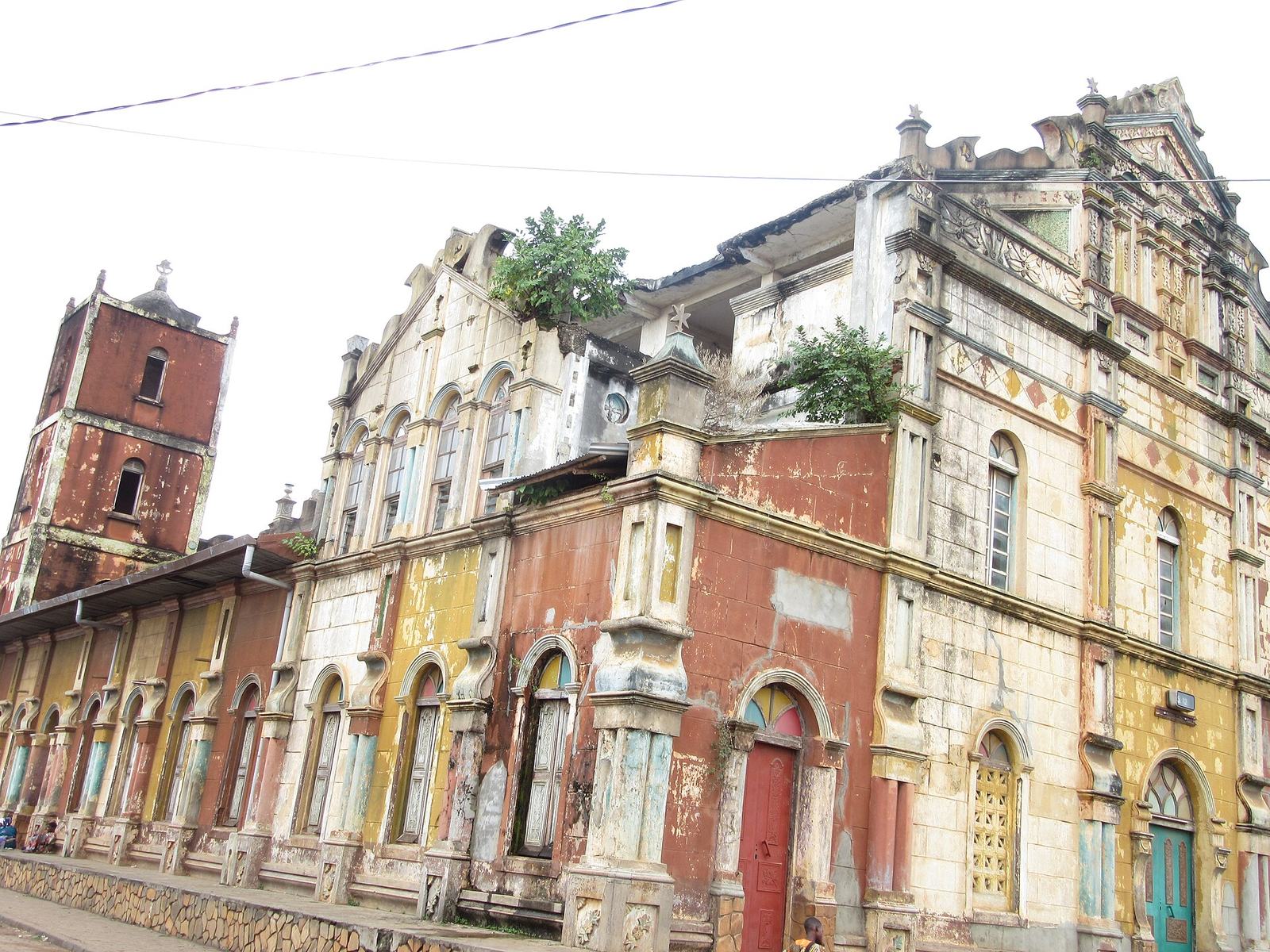
Porto-Novo's Great Mosque is one of the most photographed buildings in the country. Built in the early twentieth century by Afro-Brazilian Muslims, it was modelled on a church in Salvador da Bahia, with bright painted walls and a façade that looks more like a cathedral than a mosque. View it from outside and ask permission before going in.
Gardens and the lagoon
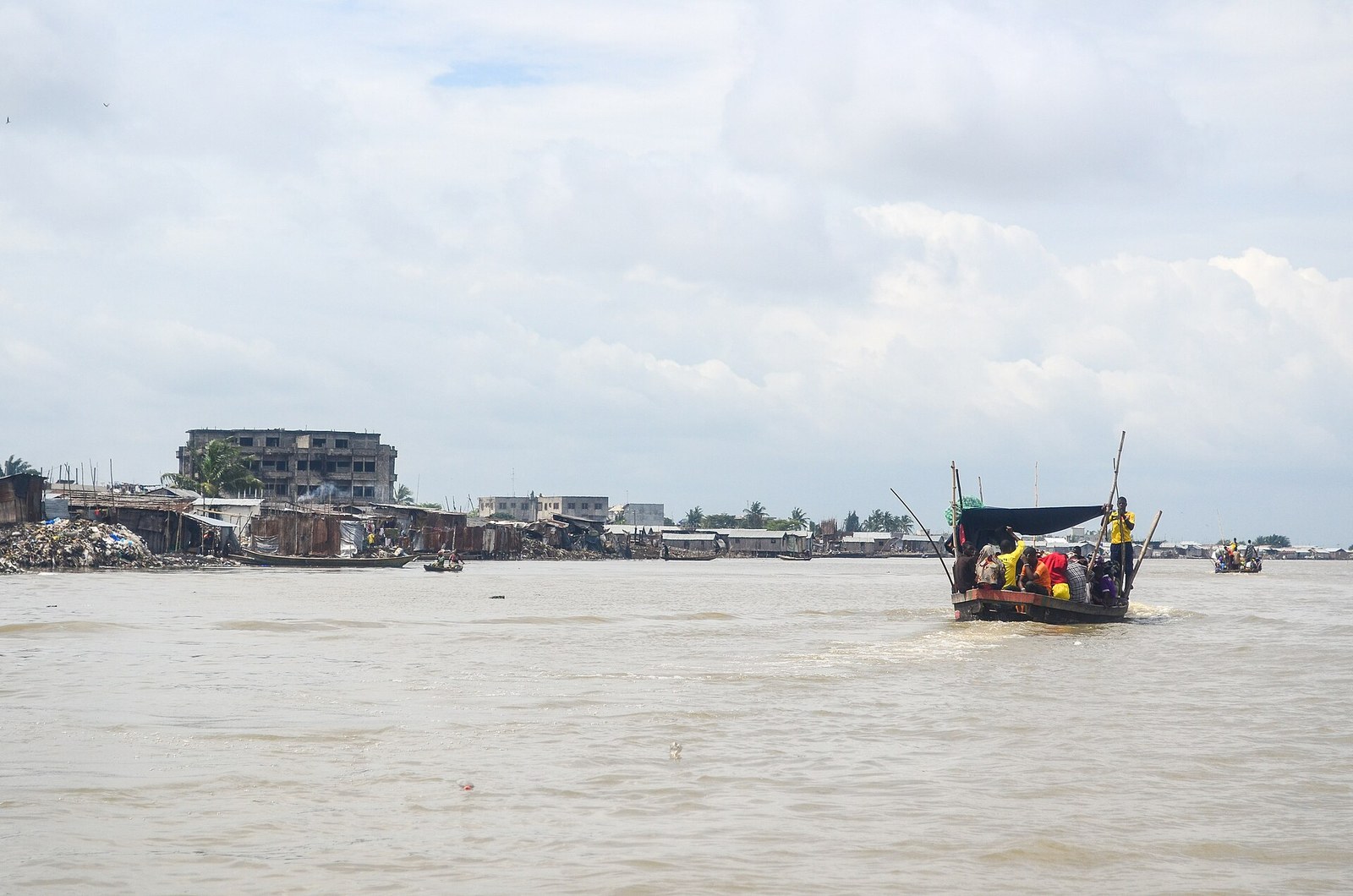
The **Jardin des Plantes et de la Nature** is a shady sacred forest in the city with old trees, a small pool and mona monkeys. It is a welcome break from the heat. The lagoon waterfront offers views of fishing pirogues and, on clear days, the far shore toward Nigeria.
The Songhaï Centre
On the edge of the city, the **Songhaï Centre** is an internationally known farm and training centre that turns waste into energy, fish ponds into fertiliser and young Africans into agricultural entrepreneurs. Tours show how it works, the shop sells juices, honey and yoghurt from the farm, and the restaurant serves simple fresh meals. It also has basic guest rooms.
Markets and crafts
The **Marché Ouando** is the city's main market, busy with Yoruba cloth, food stalls, spices and herbs. Nearby **Adjarra** is known for handmade drums, and the surrounding villages make baskets and pottery. Porto-Novo is also famous for its Egungun masquerades, where costumed dancers represent the spirits of ancestors during ceremonies. If you are invited to watch, follow your guide's lead and never touch a masquerader.
Eating and staying
Porto-Novo has few hotels compared with Cotonou, and most visitors come for the day. If you stay, choose a lagoon-side hotel or the Songhaï Centre. For food, try akara bean fritters, pounded yam with sauce, grilled corn and fresh fish from the lagoon.
Getting there
Shared taxis and minibuses run from Cotonou along the coastal road, or you can book a driver through your hotel. Leave early to avoid the heaviest traffic over the bridges and on the main road out of Cotonou.
When to go
November to March is the most comfortable time, with less rain and drier roads. Weekday mornings are best for the museums, which can close at lunchtime and on some public holidays, so check opening hours before you set off.
Questions about Porto-Novo
Is Porto-Novo worth visiting?
Yes, especially for museums and architecture. It is quieter than Cotonou and shows a different side of Benin's history.
Can I do Porto-Novo as a day trip?
Easily. Leave Cotonou early, visit the museums and mosque in the morning, then the Songhaï Centre in the afternoon.
Why is Porto-Novo the capital and not Cotonou?
Porto-Novo is the official capital under the constitution and holds the National Assembly, while most government offices and business are in Cotonou.
Can I visit the Grande Mosquée inside?
Ask at the mosque. Visitors usually view it from outside, and you should dress modestly and avoid prayer times if allowed in.
Facts checked . Fees, schedules and entry rules change, so always confirm the latest with the official source.