At a glance
- Best for
- Boat trips, photography and village life
- Start point
- The jetty at Abomey-Calavi, north of Cotonou
- Time needed
- A half day
- Best season
- November to March, mornings are best
- Getting around
- Pirogue or motorboat only
- Language
- French and Tofin
The story of Ganvié
The Tofinu people built Ganvié in the 1600s and 1700s to escape slave raiders. According to local tradition, the warriors of Dahomey were forbidden by their beliefs from entering water, so the lake became a refuge. Over generations, the settlement grew into a full town with its own economy, built almost entirely around fishing. Its name is often translated as the community that survived.
Getting there
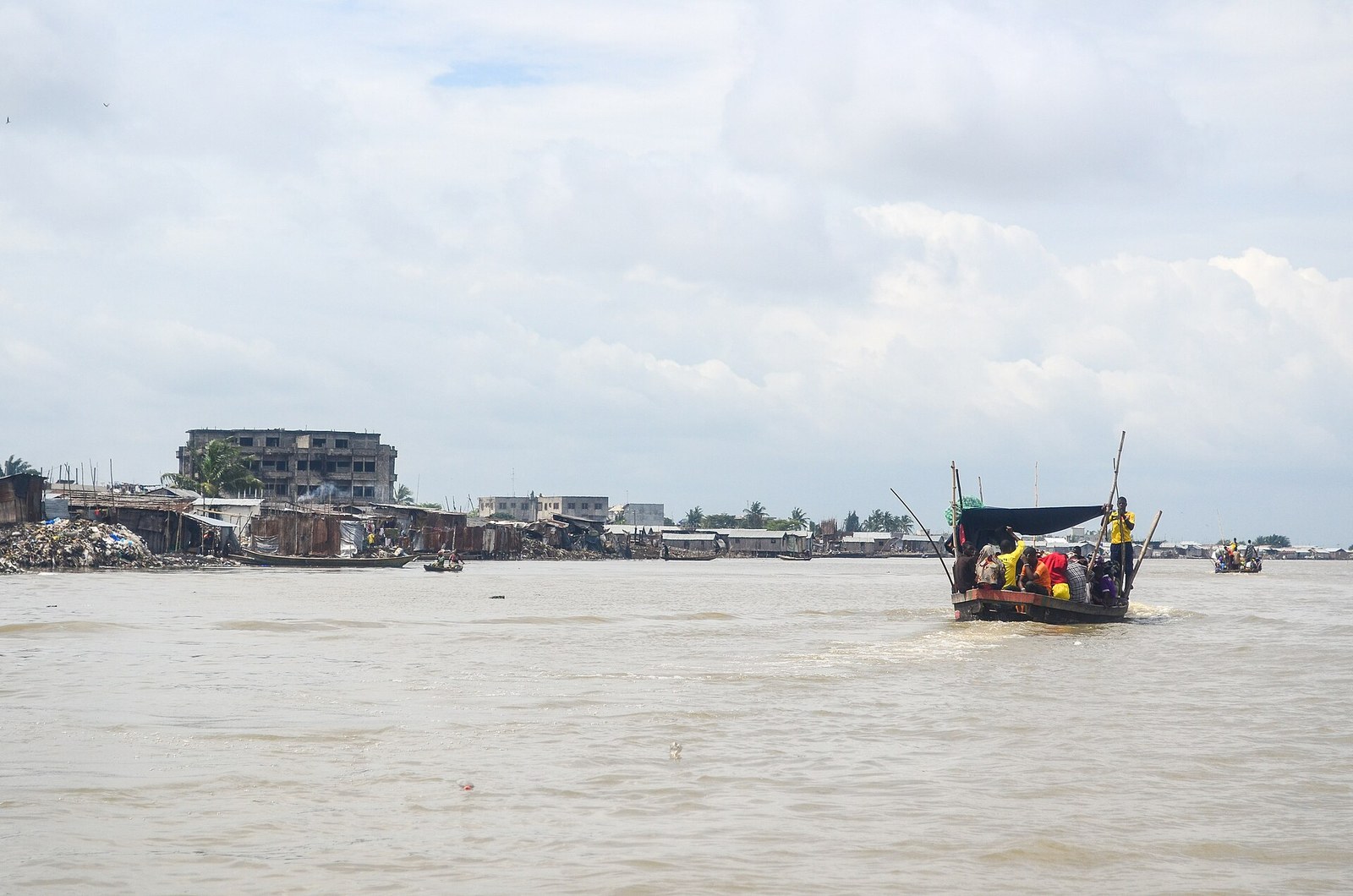
Ganvié starts at the busy jetty at **Abomey-Calavi**, about twenty to forty minutes north of central Cotonou depending on traffic. At the official tourist office on the jetty you can book a pirogue, either a traditional paddled canoe or a faster motorboat, with a guide. The boat trip across the lake takes around half an hour each way by motor, longer by paddle. Prices are set at the counter, so you do not need to haggle with touts on the shore.
What you will see
As you cross the lake you pass through the **acadjas**, fenced areas of branches planted in the water where fish gather to feed and breed. This clever system has made Lake Nokoué one of the most productive lakes in Africa, though it has also put pressure on the water. In the village, houses stand on teak or bamboo poles with walkways and small platforms. Children paddle tiny canoes, women sell vegetables, fish and charcoal from boats at the **floating market**, and men mend nets on their porches.
Most tours stop at a small island area with a craft shop, a restaurant on stilts and sometimes a simple hotel. Some guides also visit a school or the church.
Photography and respect
Ganvié is a living town, not a museum. Many residents do not like being photographed, and some ask for a small payment. Always ask first, and accept a no with a smile. Your guide can tell you when it is fine to take photos. Wide shots of the lake, houses and boats are usually welcome.
Practical tips
Go in the morning, when the light is soft, the market is busiest and the heat is lower. Bring a hat, sunscreen and water, since there is little shade on the boat. Wear shoes that can get wet. Life jackets are not always offered, so ask for one, especially for children. The lake can be choppy in the afternoon and during the rains.
Combining Ganvié with other sights
Ganvié pairs well with a day in Cotonou, or with a trip to the **Songhaï Centre** and **Porto-Novo**. If you have more time, smaller lake villages such as **Sô-Ava** see far fewer visitors and give a quieter view of life on the water.
Staying overnight
A few simple guesthouses on stilts offer rooms in Ganvié. Facilities are very basic, and most visitors prefer to return to Cotonou. If you do stay, you see the village at sunset and dawn, when the boats head out to fish.
Avoiding touts
At the Abomey-Calavi jetty, people may approach you offering cheaper boats or their own guiding. Go straight to the official tourist counter, where prices are posted and guides are registered. Pay there, not on the water, and agree in advance how long the trip will last and which stops are included.
Questions about Ganvié
How do I get to Ganvié?
Go to the jetty at Abomey-Calavi, north of Cotonou, and book a pirogue and guide at the official tourist office. The crossing takes around half an hour by motorboat.
How long does a Ganvié trip take?
Allow a half day including the drive from Cotonou, the boat ride and a stop in the village.
Can I take photos in Ganvié?
Wide shots of the village are fine, but always ask before photographing people, and respect a refusal.
Is Ganvié suitable for children?
Yes, children usually love it. Ask for life jackets for everyone and bring sun protection.
Facts checked . Fees, schedules and entry rules change, so always confirm the latest with the official source.