At a glance
- Best for
- History, Vodun culture and heritage travel
- Distance from Cotonou
- About an hour by road
- Time needed
- One full day, or two nights to slow down
- Best season
- November to March, with Vodun Days in January
- Big event
- Vodun Days and the 10 January Fête du Vodoun
- Language
- French and Fon
Why Ouidah matters
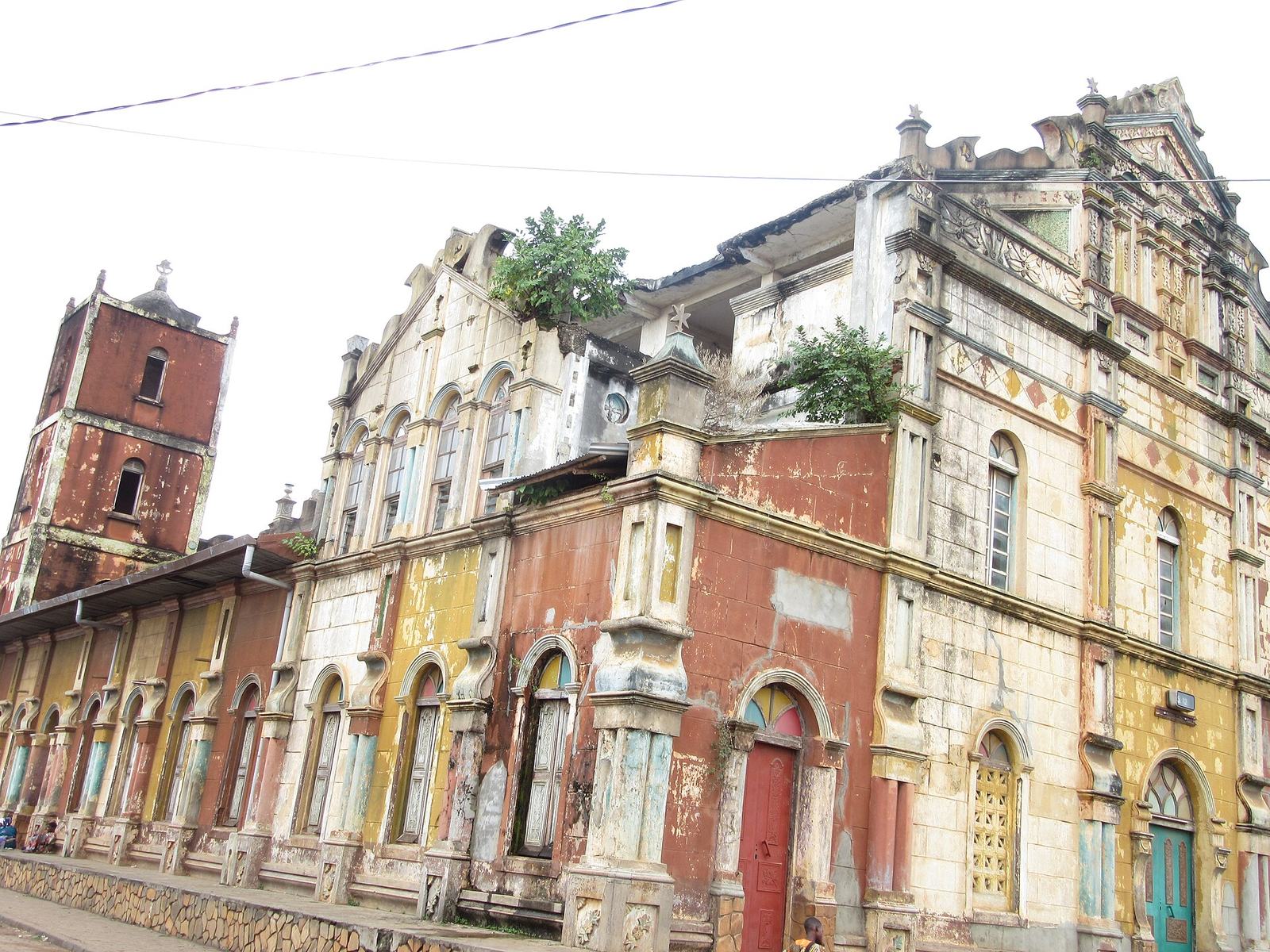
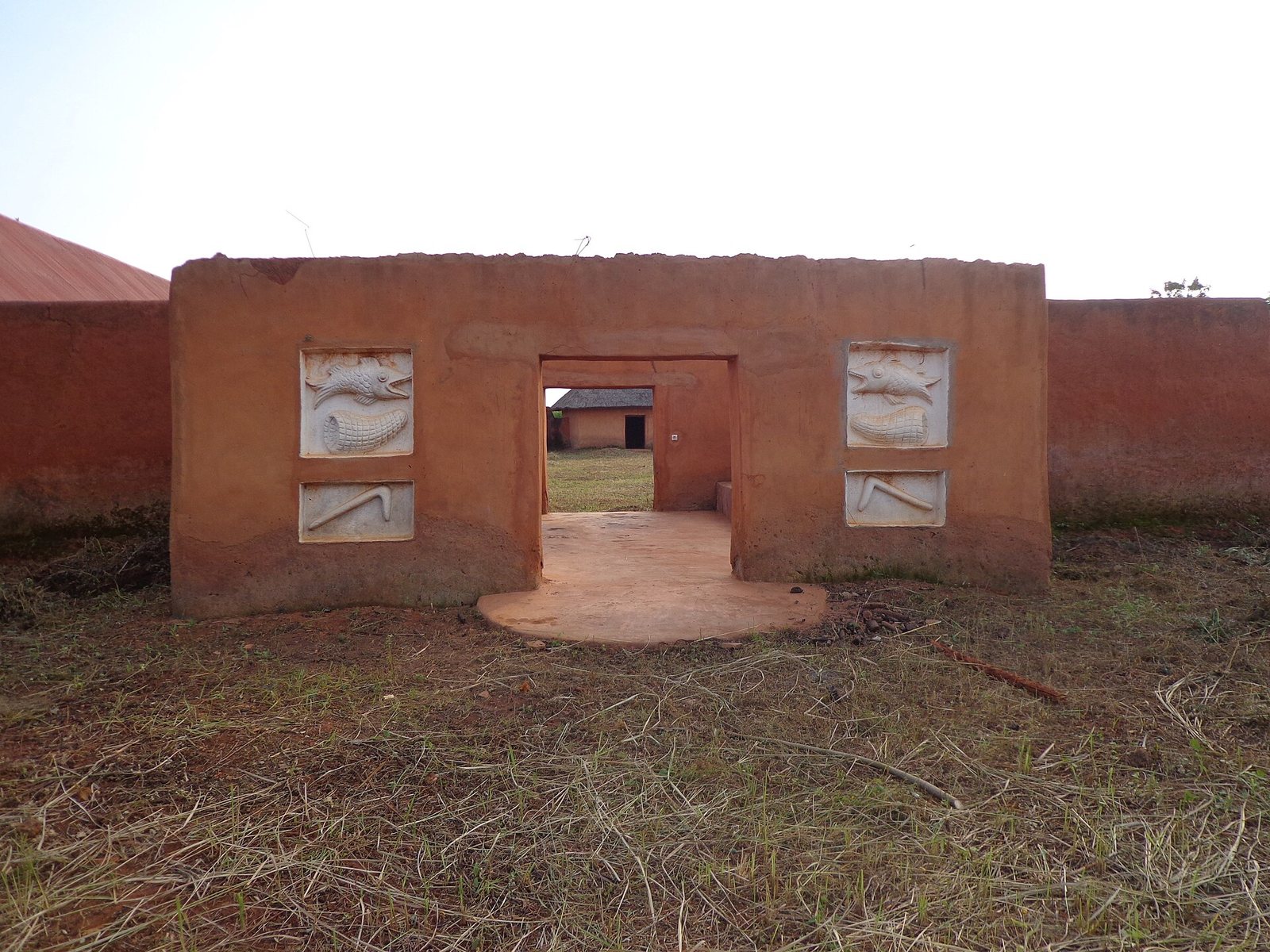
From the late 1600s, the kingdom of Dahomey and European traders shipped hundreds of thousands of captives from Ouidah's beach. Their descendants live across the Americas, and Vodun, the religion of the region, travelled with them to become Vodou in Haiti and Candomblé influences in Brazil. Some families returned from Brazil in the 1800s and built the Afro-Brazilian mansions that still stand in the town. Ouidah holds all of this together in a few walkable streets.
The Route des Esclaves
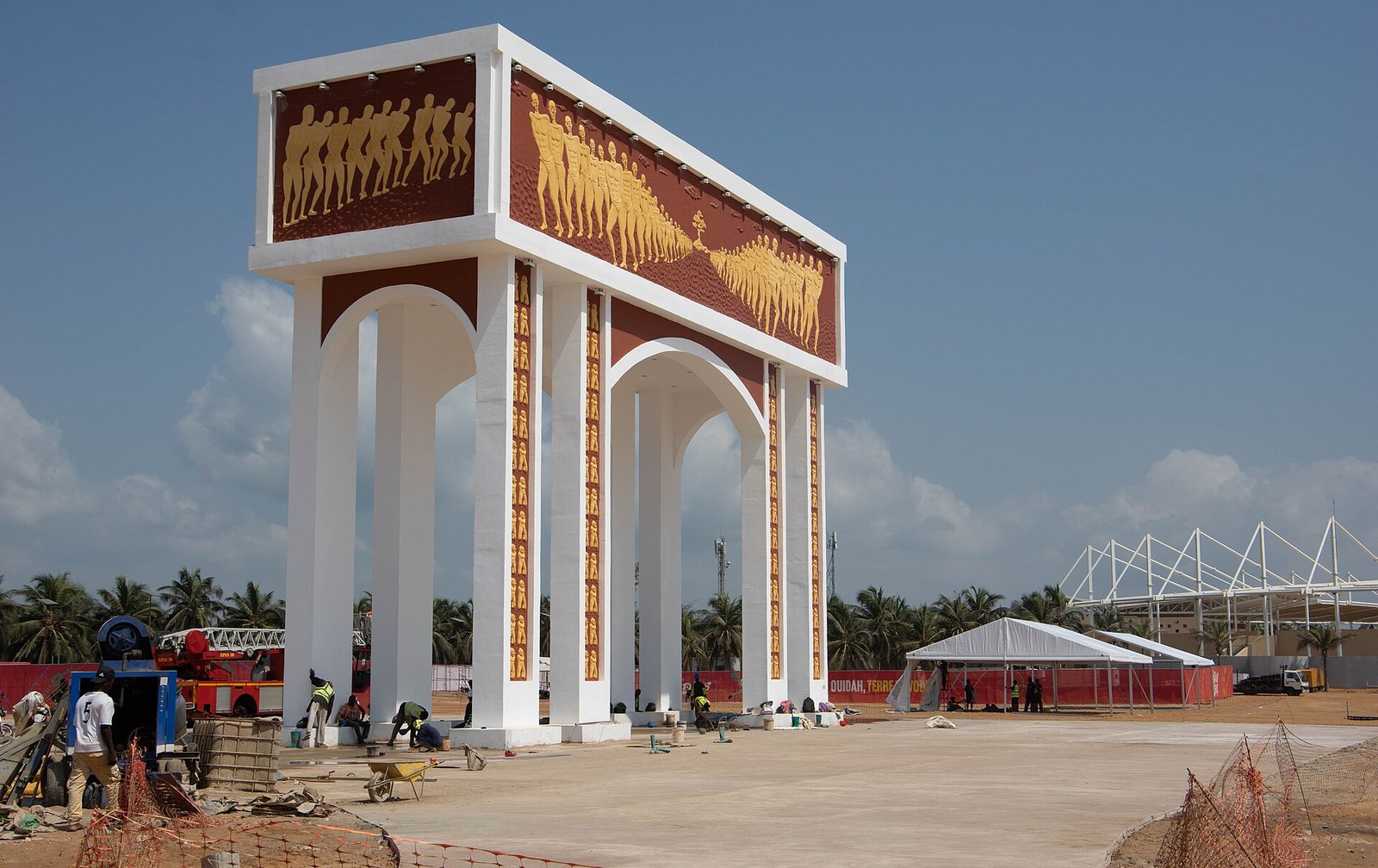
The heart of a visit is the Route des Esclaves, about four kilometres from the old auction square at Place Chacha to the sea. Along the way, memorials mark the Tree of Forgetting, where captives were made to walk in circles to forget their homeland, the Zomaï enclosure where they were held in darkness, the Zomachi memorial of repentance, and finally the Door of No Return, a great arch on the beach facing the ocean. You can walk it, cycle it or ride it by zem with a guide. Many visitors find it overwhelming, so leave time to sit quietly at the end.
Vodun temples and the sacred forest
The **Temple of the Pythons** sits directly opposite the Catholic basilica, a vivid picture of how Vodun and Christianity live side by side in Benin. Royal pythons are sacred here and guides may offer to drape one over your shoulders. The **Sacred Forest of Kpassè** is a shady grove filled with bronze and clay sculptures of Vodun deities, honouring King Kpassè, who is said to have turned into a tree. Ask before photographing shrines and people.
Museums and art
The **Ouidah Museum of History**, inside the old Portuguese fort, explains the slave trade and the links between Ouidah and the Americas. The **Fondation Zinsou's Musée de Ouidah**, in the restored Villa Ajavon, shows contemporary African art in one of the town's most beautiful Afro-Brazilian houses.
Vodun Days
Every year around 10 January, Benin celebrates its national Vodun holiday, and Ouidah is the centre of it. The state now runs Vodun Days, a festival of ceremonies, masquerades, drumming and dance on the beach and in the town. Rooms book out months ahead, so reserve early if you want to be there. Dates and programmes are posted by the official tourism agency.
Beaches and lagoons
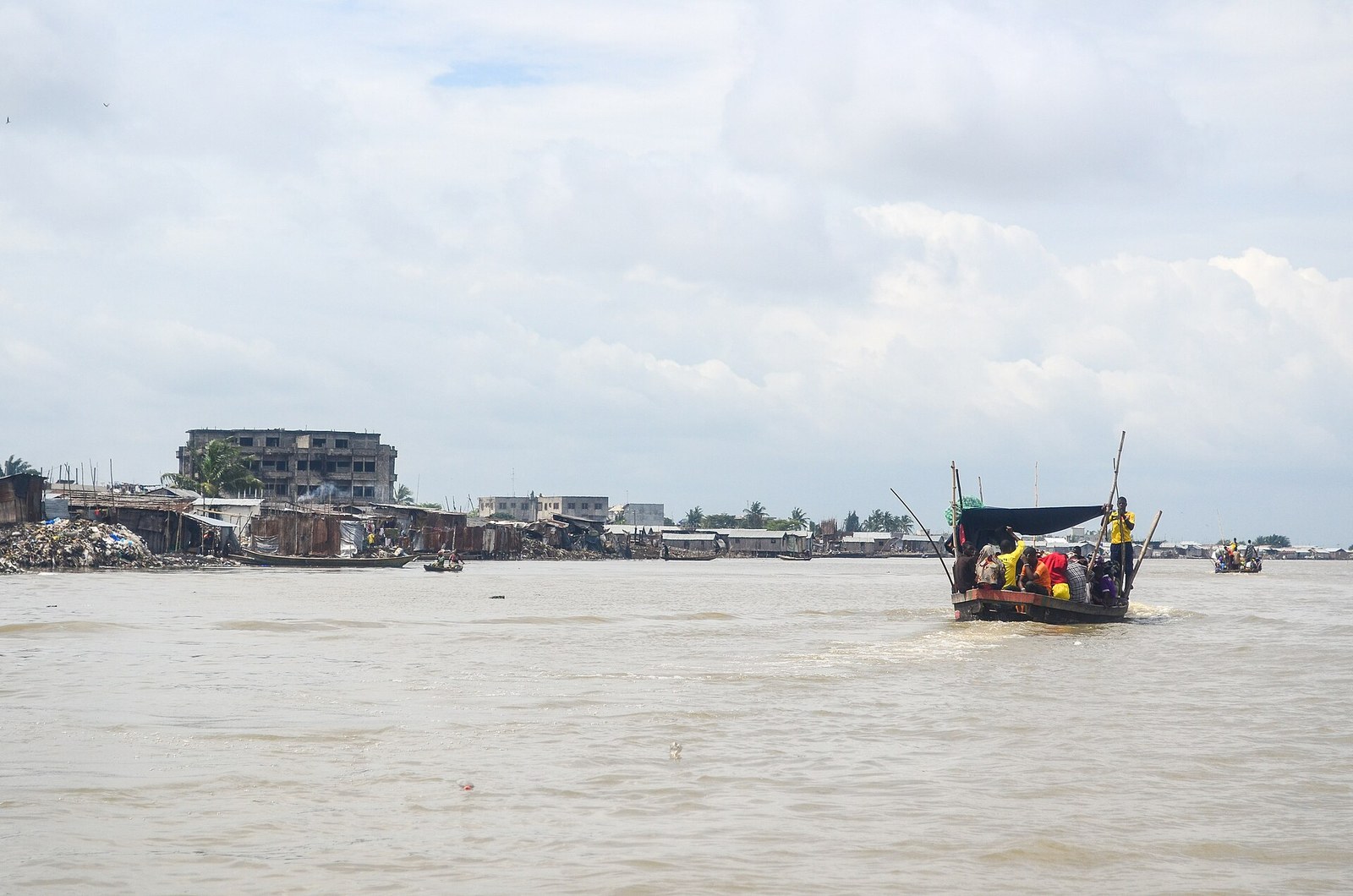
The beach near the Door of No Return is long and beautiful, but the currents are strong and swimming is risky. Between the ocean and the lagoon you find small fishing villages, coconut groves and salt-making communities such as Djègbadji, where women boil lagoon water into salt.
Where to stay and eat
Ouidah has a handful of hotels and guesthouses, from simple town rooms to beach resorts between the lagoon and the sea. Many people visit as a day trip from Cotonou, but staying a night lets you see the town at dawn and dusk. Eat grilled fish, pâte with sauce feuille and fresh coconut, and try sodabi, the local palm spirit, in moderation.
Visiting respectfully
Ouidah is a sacred place for many, both for Vodun followers and for descendants of the enslaved. Dress modestly, speak softly at memorials, and hire an official guide through the museum or tourism office rather than someone who approaches you in the street.
Questions about Ouidah
Can I visit Ouidah as a day trip from Cotonou?
Yes. The drive takes about an hour, and a full day covers the Route des Esclaves, the Python Temple, the Kpassè forest and the museum.
When is Vodun Days?
The festival is held around 10 January each year, Benin's national Vodun day. Confirm exact dates with Benin's official tourism agency before booking.
Do I need a guide in Ouidah?
It is strongly recommended. An official guide explains the history and Vodun customs and helps you visit temples respectfully.
Can I swim at Ouidah beach?
Swimming is not recommended because of strong currents. Enjoy the beach on foot and use a hotel pool for a swim.
Facts checked . Fees, schedules and entry rules change, so always confirm the latest with the official source.