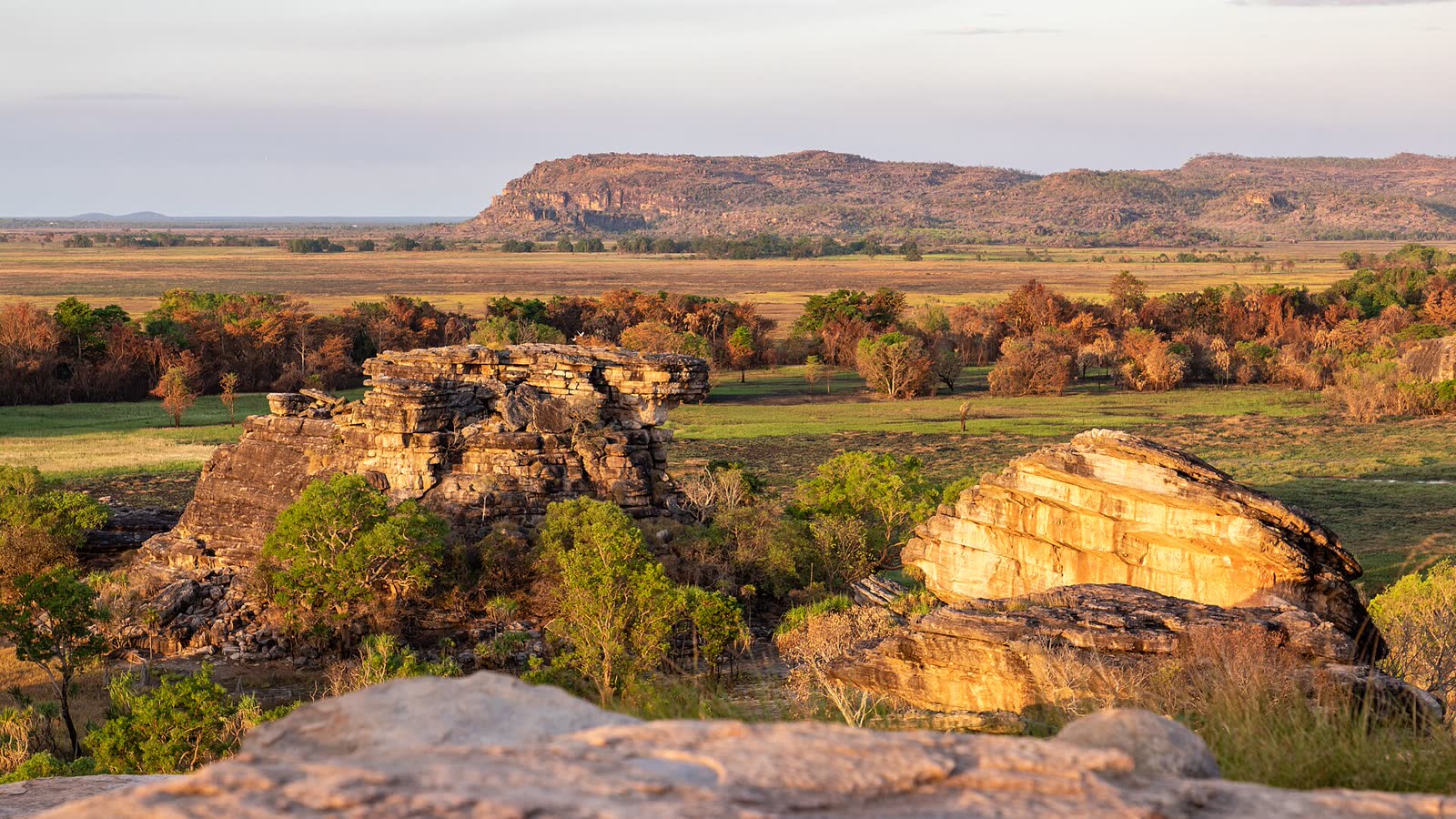
Nadab Lookout, Kakadu, Photo: .mw-parser-output .commons-creator-table{background-color:#f0f0ff;box-sizing:border-box;font-size:95%;text-align:start;c, CC BY-SA 4.0 , via Wikimedia Commons
Find your Bliss in Australia
Australia, made simple: harbour cities, red desert and the reef
Australia is a whole continent of sunny cities, golden beaches, ancient desert and the largest coral reef system on earth, with the oldest living cultures in the world at its heart. It is safe and welcoming, but the distances, the strict biosecurity rules, the strong sun and the entry paperwork catch out first-timers. This guide explains how it all works so you arrive relaxed and ready to explore.
Your trip, step by step
- Before you goETA, eVisitor or visa, seasons, insurance and distances, answered
- ArrivingSydney, Melbourne and Brisbane airports, biosecurity and your first night, explained
- Your days in AustraliaCities, beaches, reef and outback, planned at a realistic pace
- Heading homeAirport timing, tax refunds and souvenirs, so the last day is calm too
Where to go, eat and stay
- Plain answersClear, honest guidance on the questions first-timers actually ask.
- Official sourcesEntry, health and safety facts point you to official Australian Government pages to confirm.
- No price surprisesWe explain seasons, park passes, tipping and long distances so costs never catch you off guard.
- Free to useEvery guide and the trip planner are free.
Our promise
Australia should feel like a long, warm morning on the beach, not a puzzle of flights, forms and time zones. We answer the questions about entry, distances, weather, wildlife and money before they start, so you arrive confident and ready to find your Bliss.
We are a travel guide, not a local agency. We do not run tours or transfers; we help you plan well and point you to official sources.
How to use this guide
Four steps from first idea to a trip that feels easy.
- Choose your AustraliaCity breaks, reef diving, outback landscapes or coastal road trips: start with the destinations that fit you.
- Sort the essentialsETA, eVisitor or visa, the right season and the biosecurity rules, checked against official sources.
- Pick your placesUse our places to visit list for restaurants, cafés, markets, beaches and stays in every major city.
- Plan your routeUse the free trip planner to link cities, reef and desert without underestimating the distances.
Everything your Australia trip needs
Free tools and guides for every stage of the journey.
Destinations
Sydney, Melbourne, Cairns and the reef, Uluru and Brisbane with the Gold Coast, each explained in depth.
Explore destinationsPlaces to visit
More than a hundred restaurants, cafés, markets, beaches, galleries and stays, from classics to hidden corners.
See places to visitFlights and stays
Search flights into Sydney, Melbourne, Brisbane or Perth and compare stays in each base.
Search travelFree trip planner
Tell us your dates and interests and get a realistic, stress-free Australia route.
Plan my trip
Coast and outback
Beach cities on the edge of an ancient land
Australia's magic is the contrast. Sydney wraps around one of the world's great harbours, Melbourne lives for coffee, laneways and sport, and Cairns opens onto the Great Barrier Reef and the Daintree rainforest. In the centre, Uluru glows red over a desert cared for by its Anangu owners for tens of thousands of years. The catch is scale: the country is about as wide as Europe, so most first trips fly between two or three regions.
- Sydney Harbour, the Opera House and Bondi to Coogee
- Melbourne's laneways, cafés and the Great Ocean Road
- Snorkelling the Great Barrier Reef from Cairns
- Sunrise and sunset at Uluru and Kata Tjuta
Start with the destinations
See how Australia's cities, reef and desert fit together.
Australia destinationsPlan with confidence
Your route, without the worry
Australia rewards a little preparation: your ETA, eVisitor or visa checked for your passport, domestic flights booked between regions instead of week-long drives, reef and outback trips matched to the season, and sun protection packed for every day. Our free planner helps you put it together at a pace that leaves room to enjoy it.
- Realistic routes that respect the distances
- Seasonal advice for the tropical north and the cooler south
- Official sources for entry and safety
Get a free trip plan
Share your dates and interests and we will suggest a calm, realistic route.
Plan my tripWhere to go in Australia
Five bases that cover the country's best loved cities, reef, rainforest and red centre.
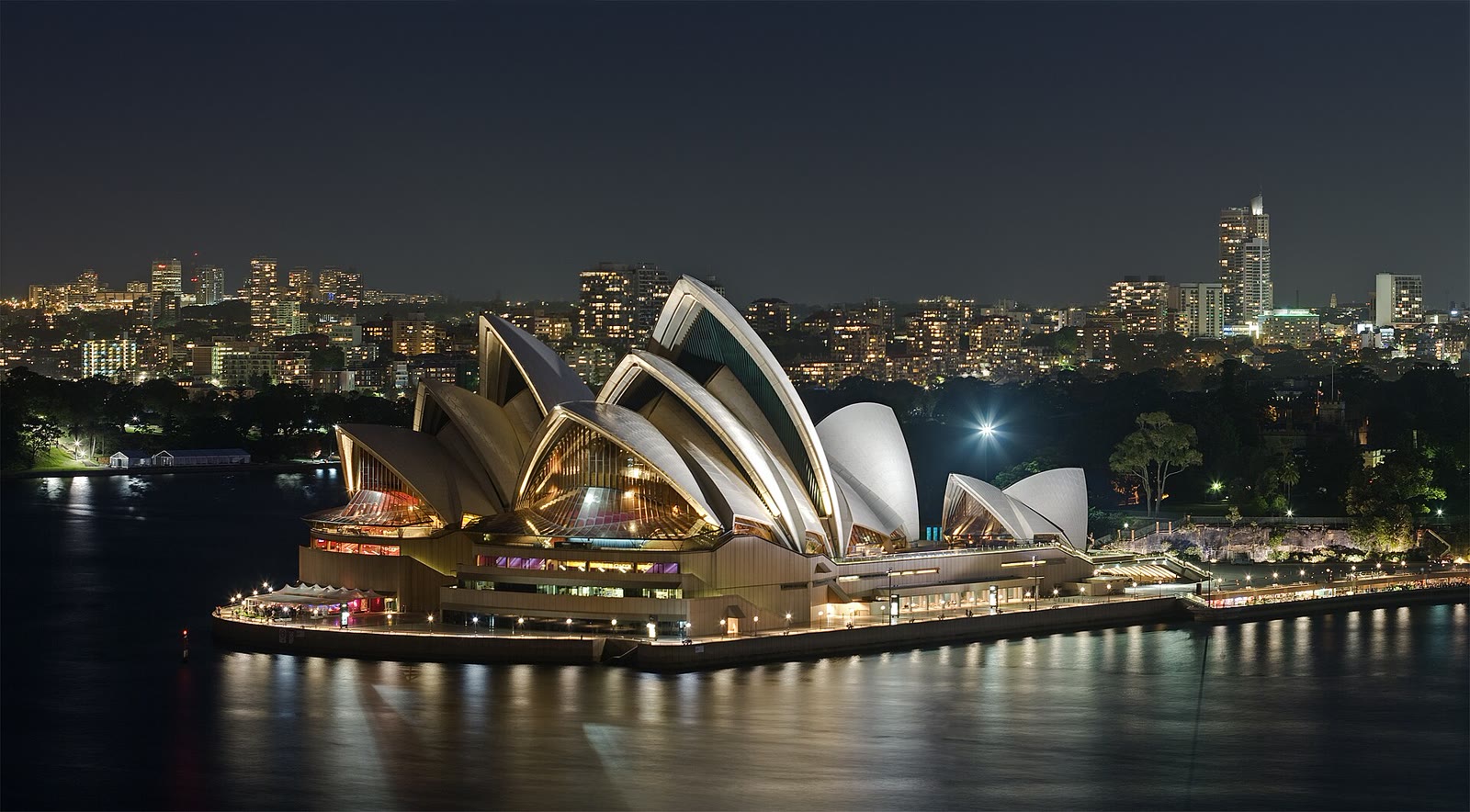
New South Wales
Sydney
Australia's largest city, wrapped around a sparkling harbour, with the Opera House, ocean beaches, great food and the Blue Mountains nearby.
Read the guidePhoto: Diliff, CC BY-SA 3.0 , via Wikimedia Commons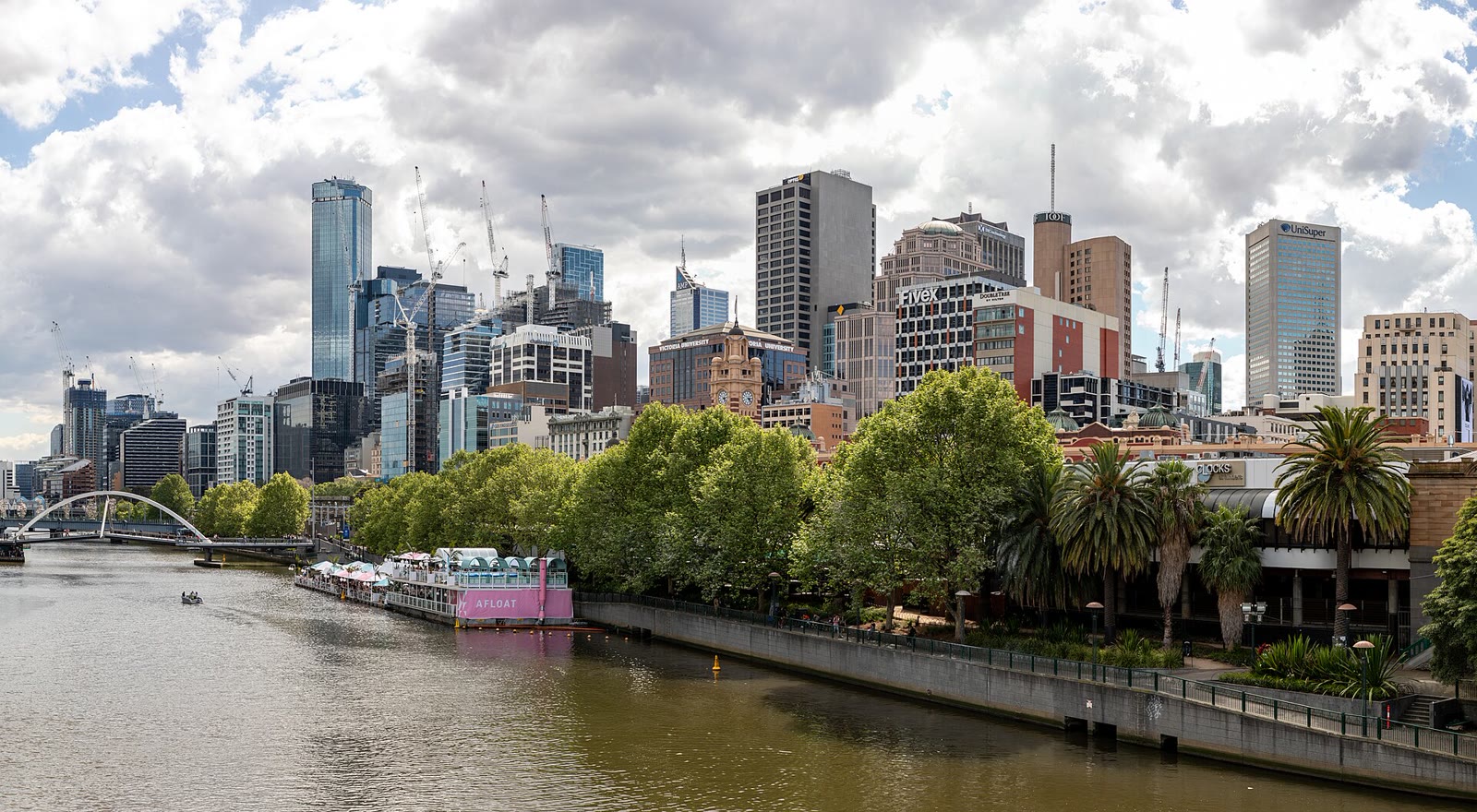
Victoria
Melbourne
Australia's culture capital, famous for coffee, laneways, street art, food, sport and day trips to the Great Ocean Road and Phillip Island.
Read the guidePhoto: .mw-parser-output .commons-creator-table{background-color:#f0f0ff;box-sizing:border-box;font-size:95%;text-align:start;c, CC BY-SA 4.0 , via Wikimedia Commons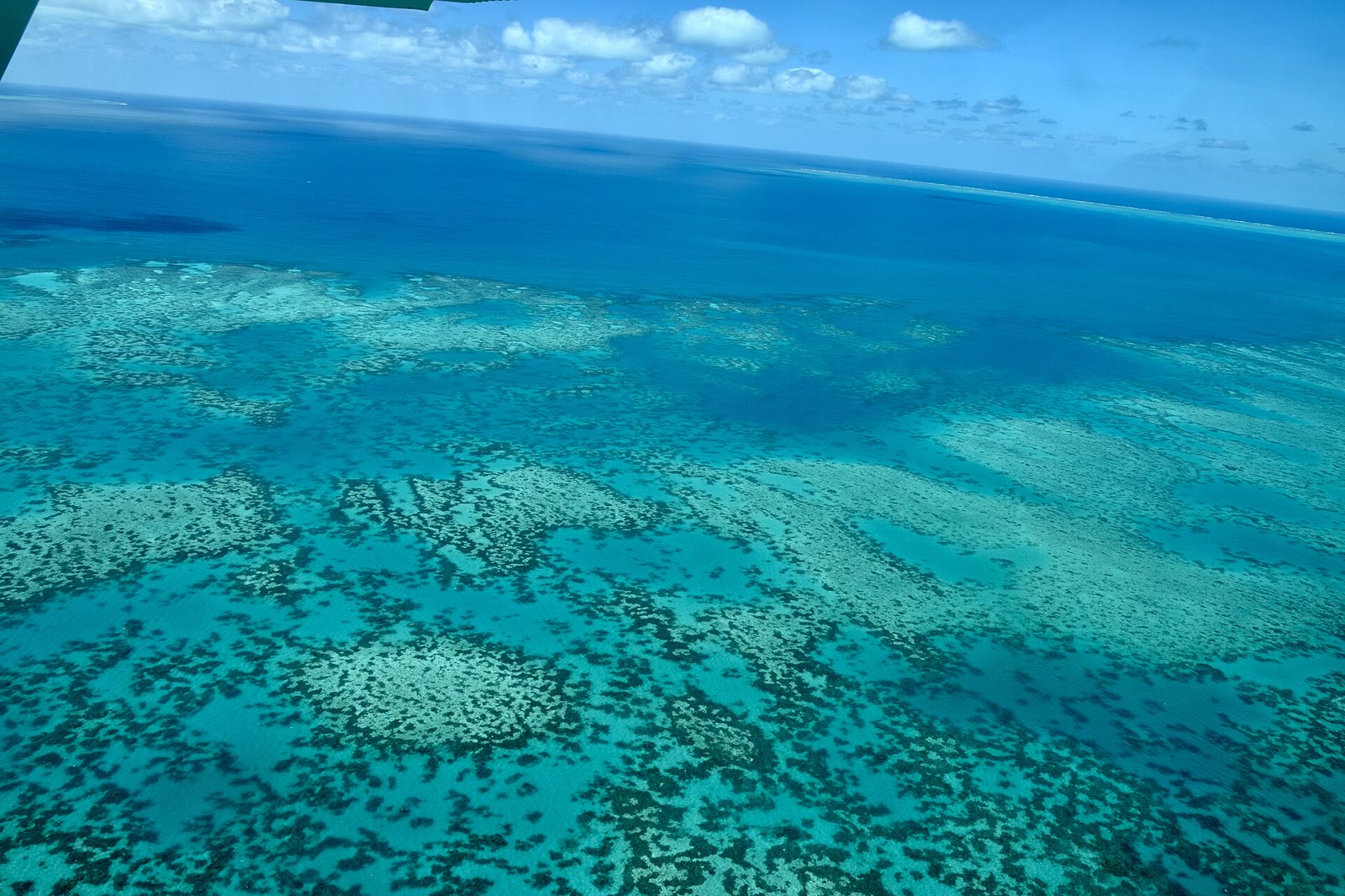
Queensland
Cairns and the Great Barrier Reef
The gateway to the Great Barrier Reef and the Daintree rainforest, with easygoing Cairns, Port Douglas and island day trips.
Read the guidePhoto: Ank Kumar, CC BY-SA 4.0 , via Wikimedia Commons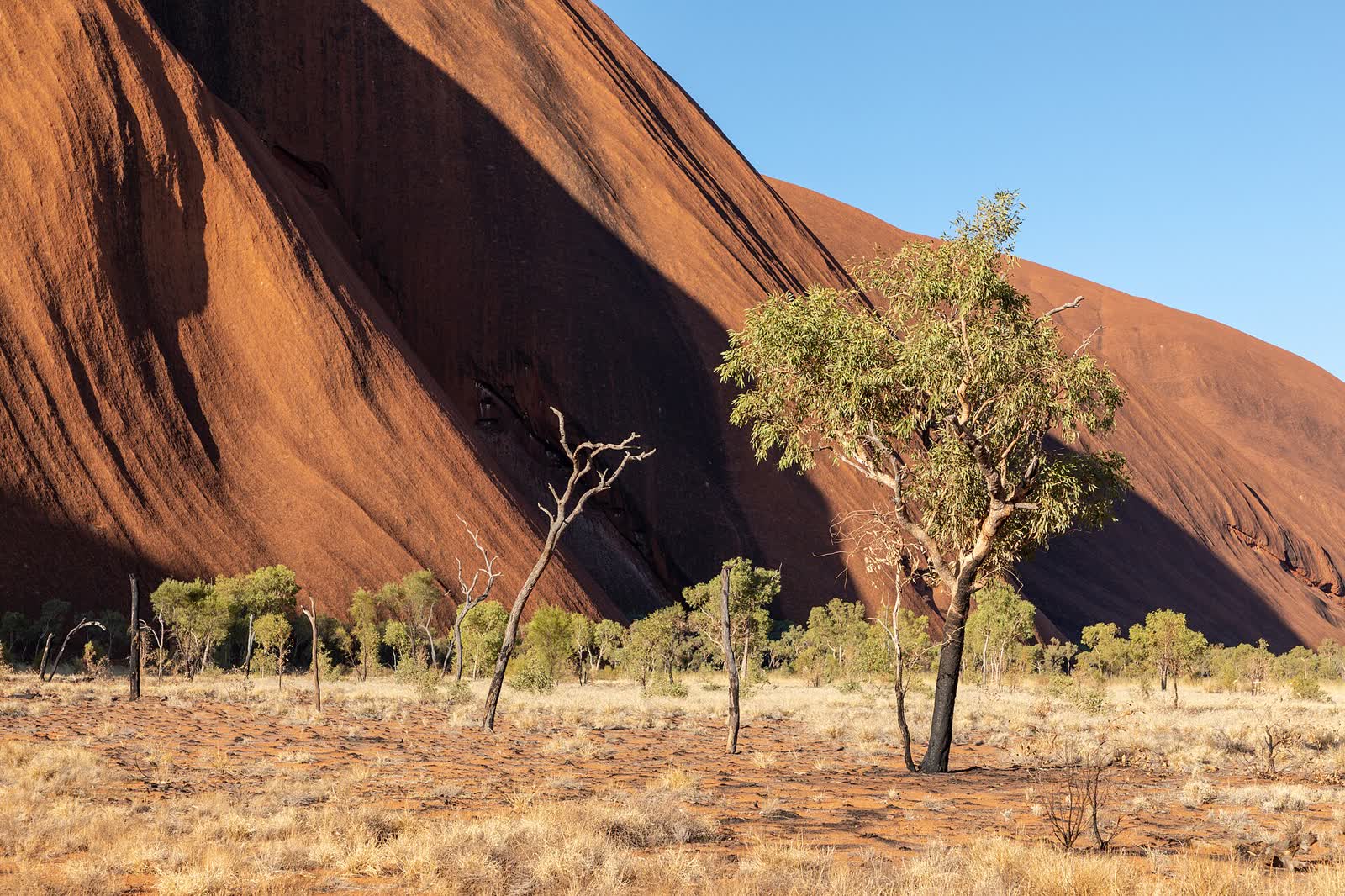
Northern Territory
Uluru and the Red Centre
The great red monolith of Uluru, the domes of Kata Tjuta and Kings Canyon, set in desert cared for by the Anangu people.
Read the guidePhoto: .mw-parser-output .commons-creator-table{background-color:#f0f0ff;box-sizing:border-box;font-size:95%;text-align:start;c, CC BY-SA 4.0 , via Wikimedia Commons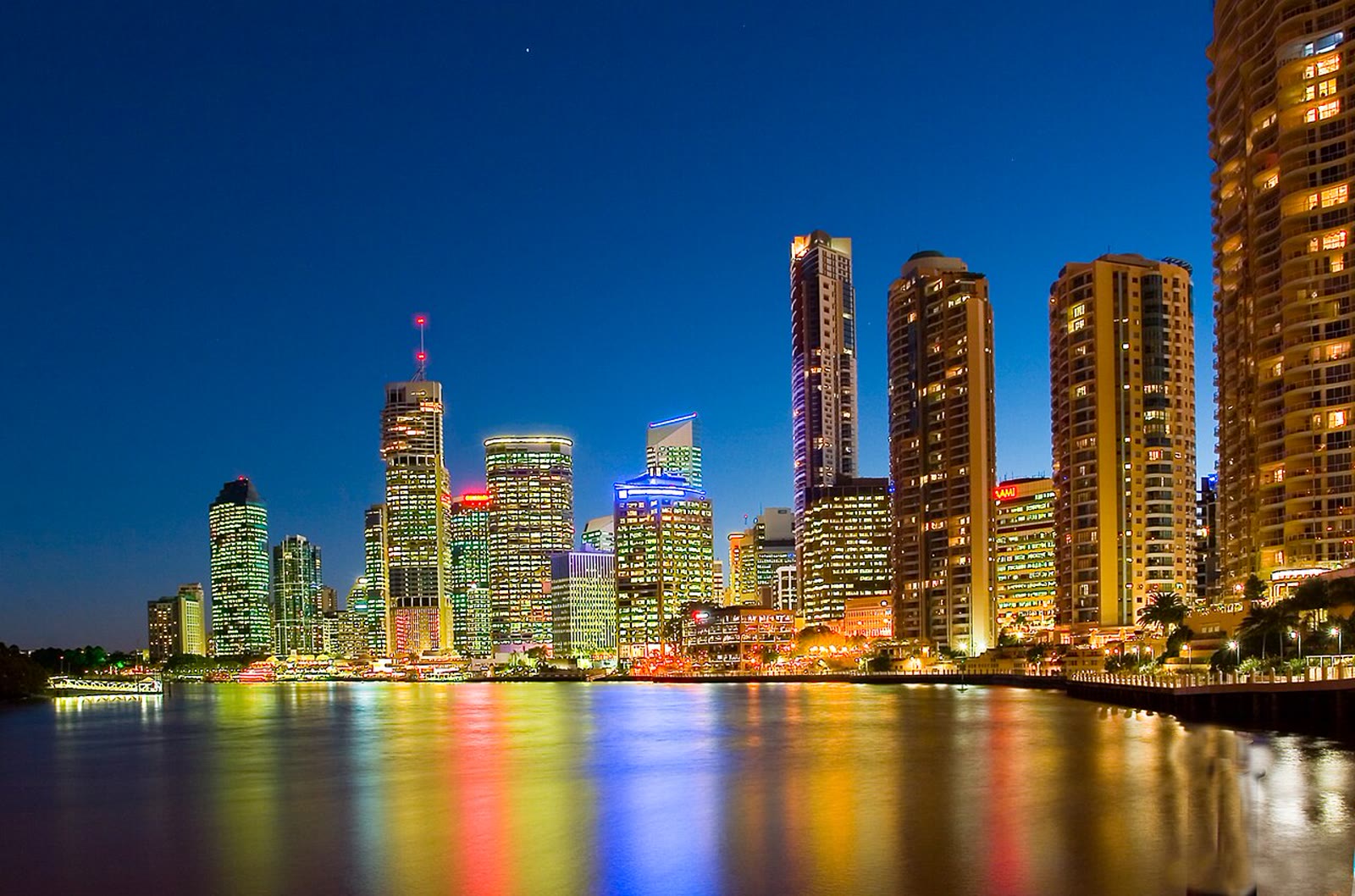
Queensland
Brisbane and the Gold Coast
A sunny, relaxed river city paired with famous surf beaches, theme parks and green hinterland, ideal for families and beach lovers.
Read the guidePhoto: Sheba_Also 43,000 photos, CC BY-SA 2.0 , via Wikimedia Commons
A note from our founder
A note from our founder
My first time visiting Kenya, I was genuinely surprised with how fast it began feeling like home. The people are so friendly, the food is delicious and familiar, and the accommodations are modern and upscale.
During my travels throughout the continent, I commonly hear tourists share stories about being scammed or taken advantage of, which is both frustrating and disheartening.
Living in Kenya for the last 2 years, I have had the great fortune to meet a network of wonderful Kenyans who have continuously help guide my family's journey. Their shared knowledge has not only greatly enhanced our overall experience here, but it has also saved us tons of time, energy, and resources.
With BlissPoint Travel, my hope is to build a global community that is willing to share useful, uncommon knowledge so that we can all blissfully enjoy the wonders our world has to offer.
Questions we hear most
Do I need a visa to visit Australia?
Almost every visitor needs permission before flying, but the type depends on your passport. Some passports use the Electronic Travel Authority (ETA) app, many European passports use the eVisitor, and others apply for a Visitor visa. Check the Department of Home Affairs website before booking.
How many days do I need in Australia?
Two weeks is a comfortable first trip: four days in Sydney, three in Melbourne, three or four in Cairns for the reef, and two or three at Uluru. With ten days, pick two regions and fly between them.
When is the best time to visit Australia?
Spring (September to November) and autumn (March to May) suit most itineraries. The tropical north is best from May to October, the dry season, while the south is warmest from December to February.
Is Australia safe for tourists?
Yes, Australia is one of the safer countries to visit. The real risks are natural: strong sun, rip currents at unpatrolled beaches, heat in the outback, and seasonal marine stingers in the tropics. Swim between the red and yellow flags.
Is Australia expensive to visit?
It is a higher-cost destination, especially for eating out, accommodation in peak season and domestic flights. Self-catering, free beaches and walks, public transport and booking flights early keep a trip comfortable on a mid-range budget.
What can I not bring into Australia?
Australia has strict biosecurity. Food, plant material, seeds, soil and some animal products must be declared on your arrival card or thrown in the bins before inspection. Undeclared items can lead to fines, so if in doubt, declare it.
Ready to plan your Australia trip?
Use the free trip planner to build a calm, realistic route, or contact us with any question.