At a glance
- Best for
- Architecture, culture and a first taste of the Sahara
- Airport
- Noumerat Moufdi Zakaria Airport (GHA)
- Time needed
- Two days
- Best season
- October to April
- Languages
- Mozabite Tamazight, Arabic and French
- Getting around
- Walking with a licensed guide and taxis
Why visit the M'zab
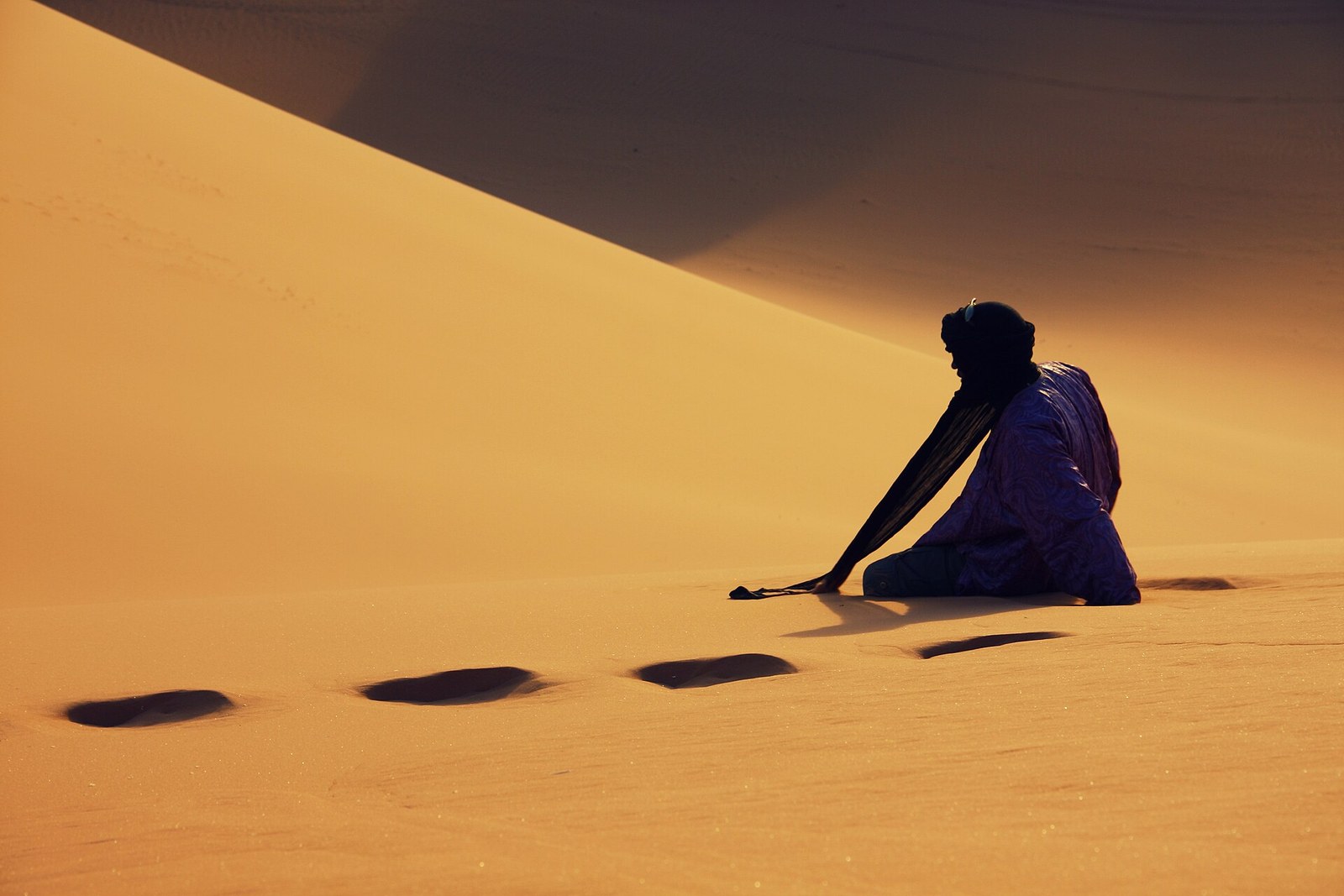
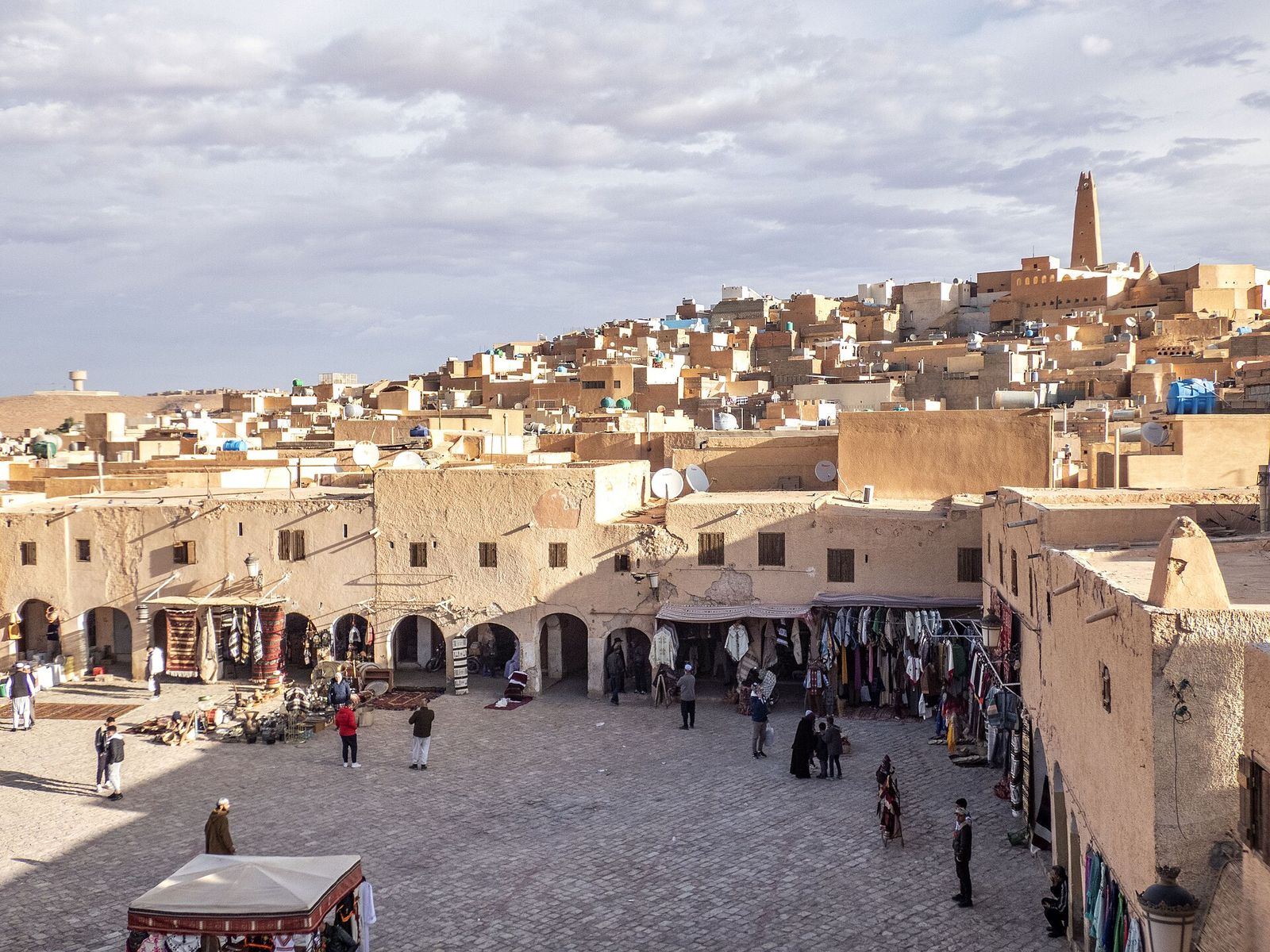
The towns of the M'zab are some of the most influential architecture in the world: simple, practical and beautiful, they inspired Le Corbusier and generations of architects. Each town climbs a hill to a mosque whose minaret also served as a watchtower, with houses stacked around it and palm groves below. It is also an easy introduction to the Sahara, an hour's flight from Algiers.
The five towns
Ghardaia is the biggest and busiest, with an arcaded market square at its heart. Beni Isguen is the most traditional and the holy town of the valley, still enclosed by walls, with a famous afternoon auction where goods are sold by a crier in the market. Melika sits on a hilltop with a striking cemetery. Bou Noura and El Atteuf, the oldest town, are smaller and quieter. The Sidi Brahim mosque in El Atteuf is a gem of simple, sculpted architecture.
Visiting respectfully
The Mozabite community is conservative and private. In Beni Isguen and parts of the other towns, visitors must be accompanied by a local guide, and you will usually find official guides at the town gates. Photographs of people, and especially women, are not allowed without permission, and many residents prefer none at all. Dress modestly, with arms and legs covered, and smoking in the old towns is not welcome. Follow your guide's lead and the visit will be warm and memorable.
Crafts and markets
The M'zab is known for its carpets and woollen textiles, woven in strong geometric patterns, as well as for copper and dates. The market at Ghardaia and the auction at Beni Isguen are the places to watch trade in action.
Ksar Tafilelt
On a hill near Beni Isguen, Ksar Tafilelt is a modern eco ksar built by local residents using traditional design principles. It is a fascinating contrast with the old towns and a good place to understand how the community lives today.
Food
Try local couscous, dates from the palm groves, and Saharan tea brewed strong and sweet. Small restaurants around the market serve grilled meat, chorba and bread. Many visitors eat at their guesthouse.
Getting there and around
Flights from Algiers take about an hour, and long distance buses cover the road from the north. The towns are close together, so taxis and walking with a guide cover everything. Further south lie Metlili and the oasis towns of the Grand Erg.
Safety and season
The M'zab saw community tensions in the past, but it has been calm for years. Check current government travel advice before you go, and follow local guidance. Visit between October and April: summer heat is extreme.
Pair the M'zab with Algiers, or continue deeper into the desert at the Tassili n'Ajjer. Plan the route with the free trip planner.
Who the M'zab suits
The M'zab suits travellers interested in architecture, culture and quiet places. It rewards patience and curiosity more than a busy checklist, and it is a very good first taste of the Sahara for anyone not ready for a week in the deep desert.
A sample visit
On day one, explore Ghardaia's market square and climb to the mosque with a guide, then watch the late afternoon auction at Beni Isguen. On day two, visit El Atteuf and the Sidi Brahim mosque in the morning, walk in the palm groves, and finish at Ksar Tafilelt for the view over the valley at sunset.
Questions about Ghardaia
Do I need a guide in the M'zab valley?
Yes for Beni Isguen and the old parts of the other towns, where visitors are expected to go with a local guide. Guides are usually found at the town gates.
Can I take photos in Ghardaia?
Of buildings and views, generally yes. Never photograph people, especially women, without clear permission, and follow your guide's advice on where cameras are welcome.
When is the best time to visit Ghardaia?
October to April, when days are warm and nights cool. Summer temperatures are extreme.
How do I get to Ghardaia from Algiers?
Fly in about an hour, or take a long distance bus or shared taxi, which takes most of a day.
Facts checked . Fees, schedules and entry rules change, so always confirm the latest with the official source.