At a glance
- Best for
- History, architecture, food and city life
- Airport
- Houari Boumediene Airport (ALG)
- Time needed
- Three to four days
- Best season
- April to June and September to November
- Languages
- Darja Arabic, French and Tamazight
- Getting around
- Metro, tram, cable cars and taxis
Why visit Algiers
Algiers is the obvious first stop. It has the main airport, the widest choice of hotels and the country's best museums, and it gives you an easy feel for modern Algeria. Few Western tourists come, so you see a real working city rather than a resort, and people are often curious and kind to visitors.
The Kasbah
The Kasbah of Algiers is a UNESCO World Heritage Site and the heart of any visit. Its stepped alleys climb from the lower town past Ottoman palaces, small mosques, fountains and houses built around shaded courtyards. Highlights include Dar Mustapha Pacha, the Palais des Rais at Bastion 23 by the sea and the Ketchaoua Mosque on its edge. Much of the Kasbah is under restoration and some houses are fragile, so go with a licensed local guide, who can also open doors you would otherwise miss. Visit in daylight and dress modestly.
The French city and the bay
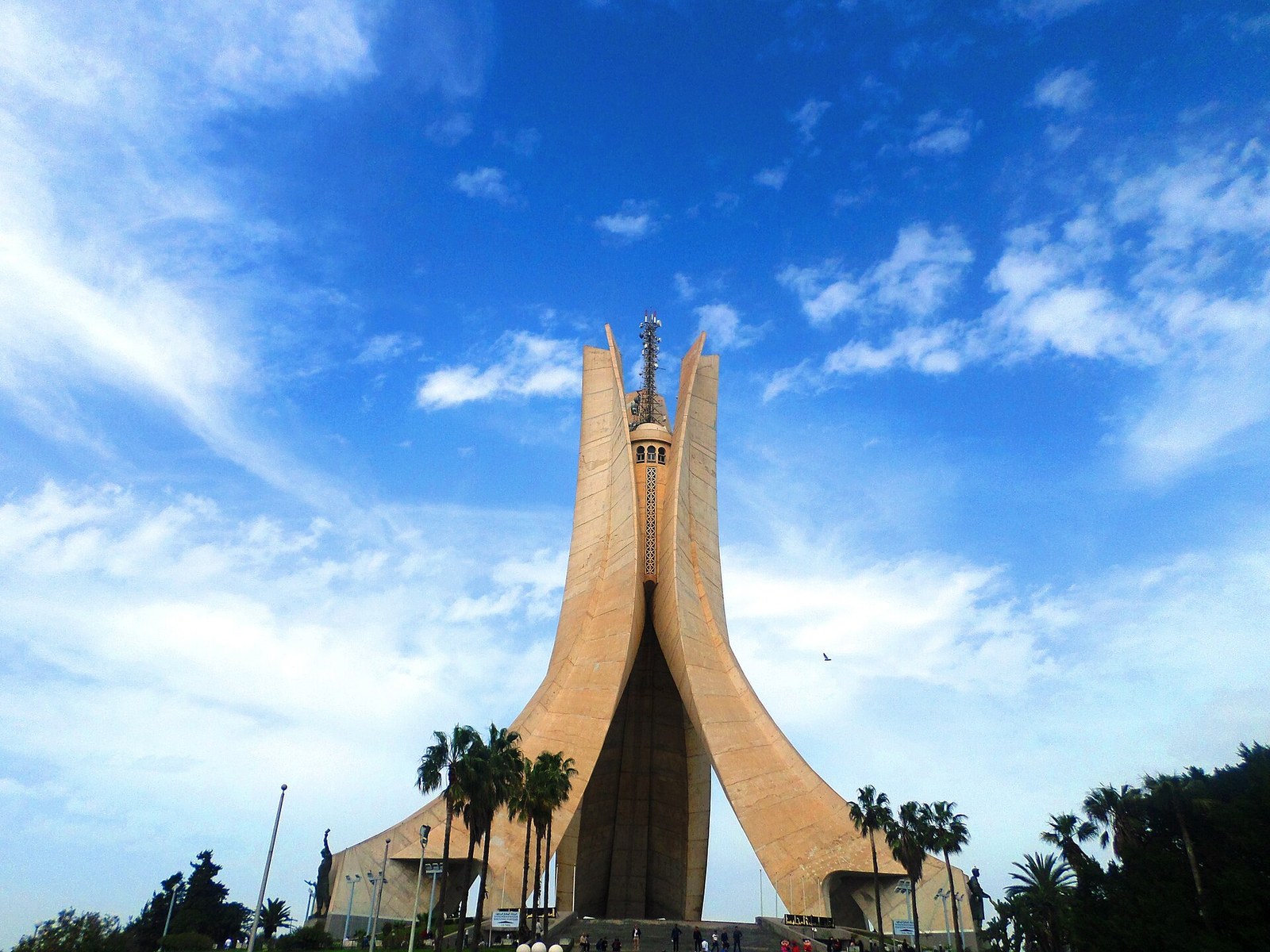
Below the Kasbah, the colonial city spreads along the waterfront. Walk the arcades of the Boulevard Che Guevara, see the white Grande Poste, then follow Rue Didouche Mourad, the main shopping street, uphill. The Jardin d'Essai du Hamma is one of the finest botanical gardens in the Mediterranean, and above it the Maqam Echahid, the Martyrs' Memorial, looks over the whole bay. Ride the cable car up to Notre Dame d'Afrique on the cliffs of Bologhine for the best sunset view in the city.
Museums and the great mosque
The Bardo Museum holds prehistoric finds and Saharan rock art casts in a lovely Ottoman villa. The National Museum of Fine Arts beside the Jardin d'Essai is one of the largest art collections in Africa. Djamaa El Djazair, the Great Mosque of Algiers, opened in 2024 with one of the tallest minarets in the world, and visitors can see parts of it outside prayer times.
Neighbourhoods to know
Hydra, El Biar and Ben Aknoun are leafy, quieter districts where many embassies and newer restaurants sit. Sidi Yahia in Hydra is the place for modern cafés and shopping. The centre around Didouche Mourad and Place Audin is walkable and full of cafés. Bab El Oued is older and more crowded, with a lively seafront promenade.
Food in Algiers
Try chorba frik soup, couscous on Fridays, grilled sardines by the port and pastries such as makroud and dziriette with mint tea. Seafood restaurants line the harbour at La Pêcherie below the Kasbah and at Tamentfoust on the eastern side of the bay.
Getting around
The metro, the tram and several cable cars make Algiers easier than it looks, and fares are low. Official taxis and ride hailing apps such as Yassir are common. Traffic is heavy at rush hour, so allow time to reach the airport. For the details of each line, see our Algeria travel planning page.
Safety and practical tips
Algiers is generally calm for visitors. Watch for pickpockets in crowded areas, keep valuables out of sight, and avoid quiet streets late at night. Police checkpoints are normal: carry your passport. Photography of police, military and government buildings is forbidden. Fridays are quiet in the morning, and during Ramadan daytime life slows down before the city comes alive after sunset.
Day trips
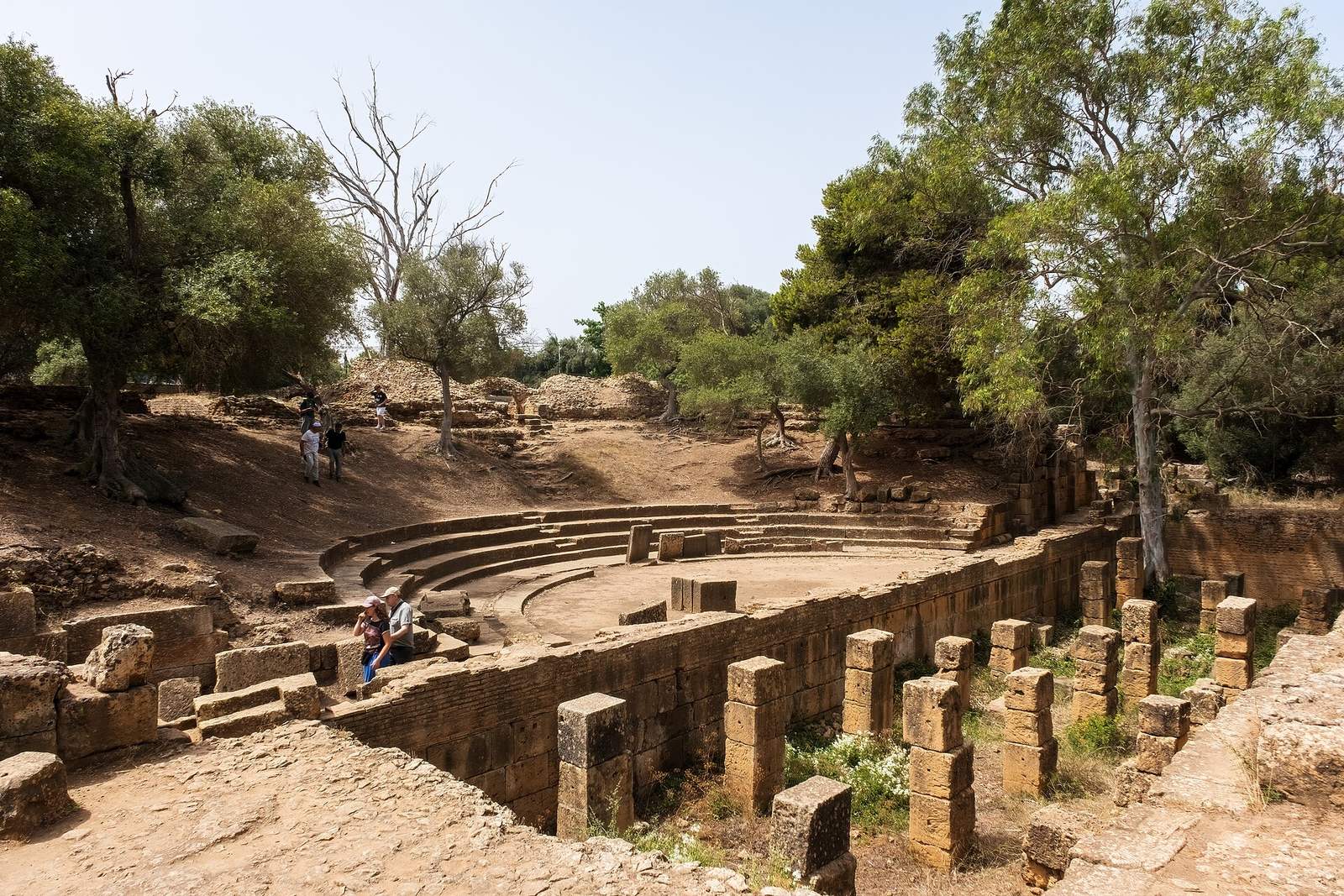
Roman Tipaza and the Royal Mausoleum of Mauretania are an easy day out to the west, and the cedar forest of Chréa is a short drive south. Use the free trip planner to fit Algiers into a wider route.
Questions about Algiers
Is the Kasbah of Algiers safe to visit?
Yes in daylight with a licensed local guide, which is the best way to visit anyway. The lanes are steep and confusing, some buildings are fragile, and a guide helps you see inside the restored palaces.
Where should first-timers stay in Algiers?
The centre around Didouche Mourad puts you near the sights, while Hydra and El Biar are quieter with newer hotels. Hotels near the Jardin d'Essai are handy for the metro.
Do I need a guide in Algiers?
Not for the modern city, which you can explore by metro and taxi. A guide is strongly recommended for the Kasbah and adds a lot of context.
Can I visit the Great Mosque of Algiers?
Visitors can usually see parts of Djamaa El Djazair outside prayer times. Dress modestly, women should cover their hair, and check current visiting arrangements locally.
Facts checked . Fees, schedules and entry rules change, so always confirm the latest with the official source.