At a glance
- Best for
- Bridges, history, Roman day trips and malouf music
- Airport
- Mohamed Boudiaf Airport (CZL)
- Time needed
- Two to three days
- Best season
- April to June and September to October
- Languages
- Darja Arabic and French
- Getting around
- Tram, cable car, taxis and walking
Why visit Constantine
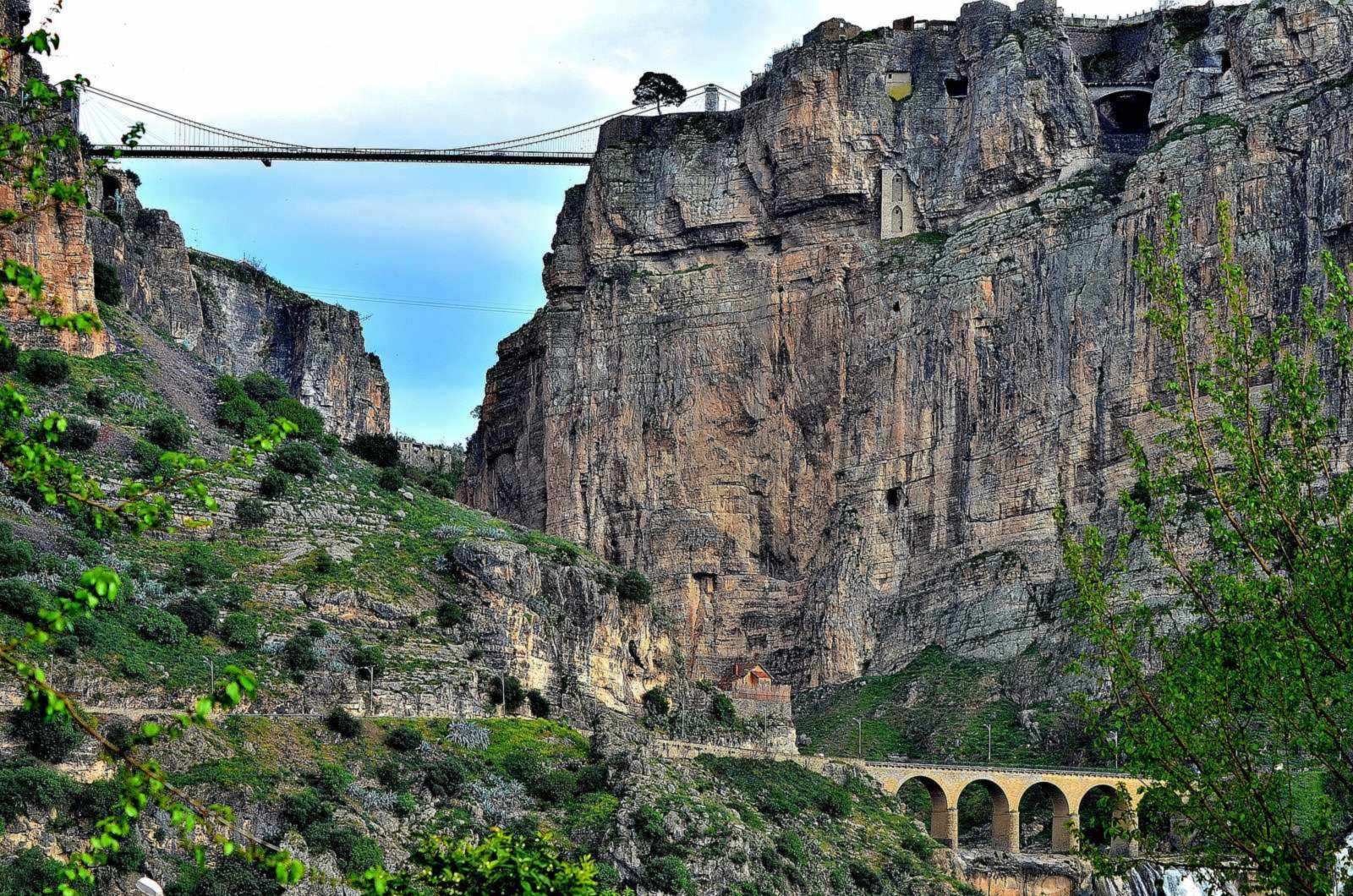
No other city looks quite like it. The gorge drops sharply beneath the old town, and the bridges that cross it, from a slender suspension bridge to a modern cable stayed viaduct, are reason enough to come. Constantine is also the best base for the Roman cities of the east, including Djemila and Timgad.
The bridges
Walk across the Sidi M'Cid suspension bridge, which hangs high above the gorge and sways gently in the wind. The stone arches of Sidi Rached are among the tallest of their kind, and the Salah Bey viaduct, opened in 2014, carries traffic across the valley. The Mellah Slimane footbridge links the old town to the station, and the Chemin des Touristes, a path cut into the gorge wall, is sometimes open for walks below the bridges. Ask locally whether it is open before you go.
Palaces, mosques and museums
The Palace of Ahmed Bey, built in the 1830s for the last Ottoman governor, has painted tiles, courtyards with orange trees and murals of the Bey's travels. The Emir Abdelkader Mosque and Islamic university, with twin minarets, is one of the largest in Africa and can be admired from outside or visited outside prayer times with modest dress. The Cirta Museum holds Numidian and Roman finds. Above the city, the Monument aux Morts gives a sweeping view of the gorge.
The old town
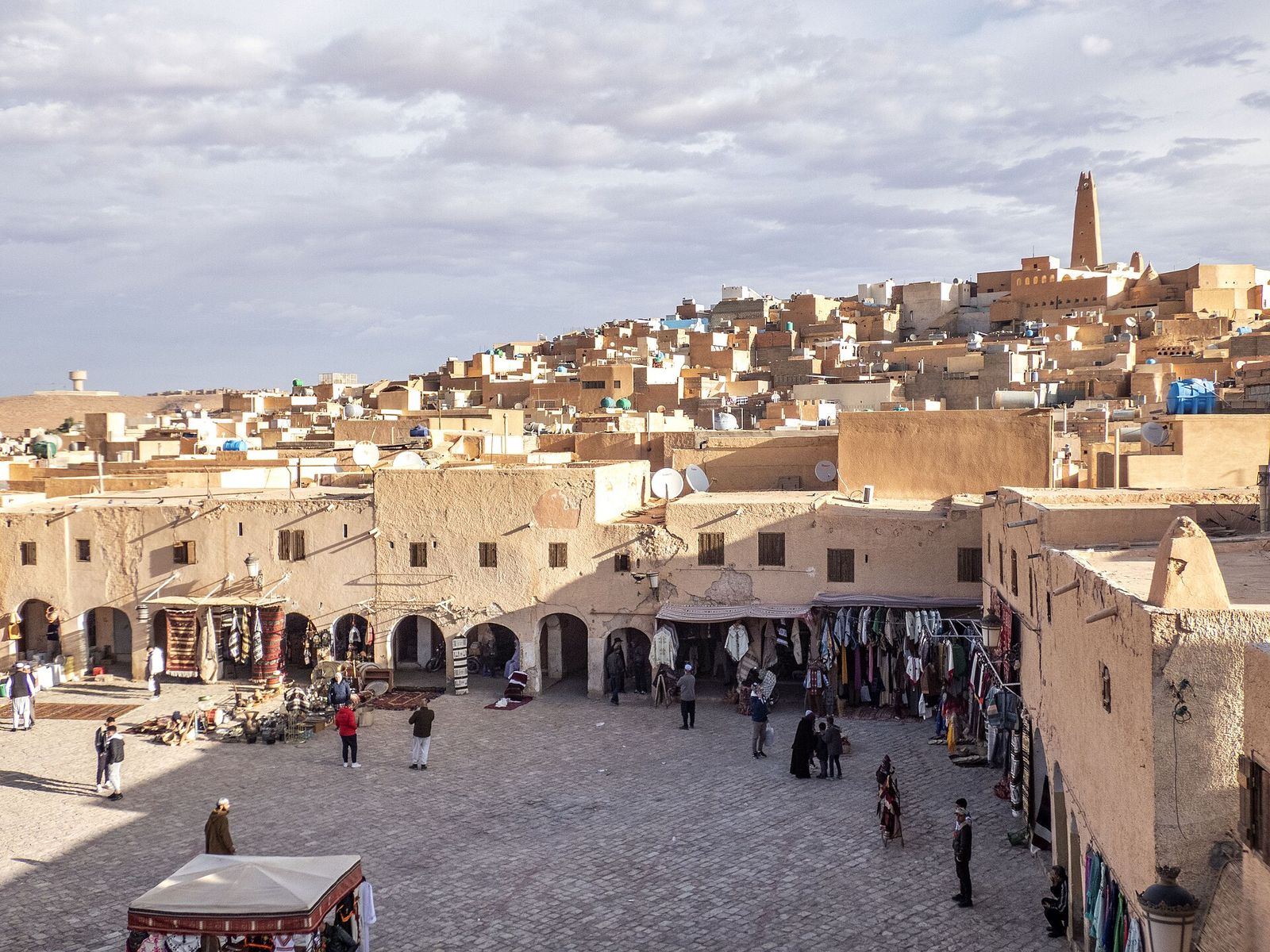
The Souika quarter is a maze of steep lanes, small workshops and markets selling copper, cloth and spices. It is atmospheric and fragile: go in daylight, ideally with a local guide, and respect people's privacy.
Music and food
Constantine is the home of malouf, Andalusian classical music played at weddings and festivals. Taste chakhchoukha, torn flatbread in a spiced stew, and jari soup, the local chorba. The city is famous for its pastries and for nougat, so pick up a box for your hosts if you are visiting family.
Day trips
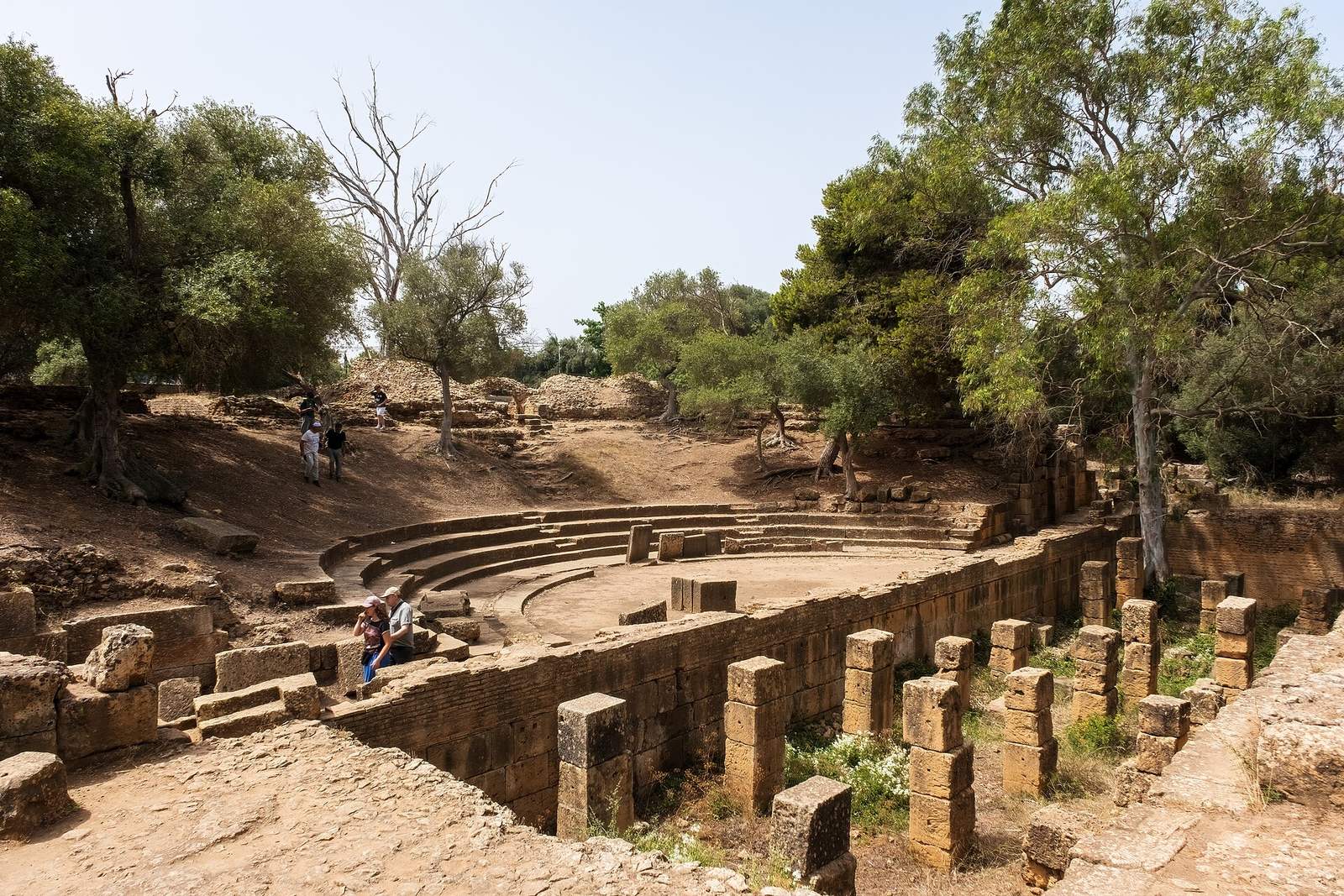
Tiddis, a small Roman town built into a red hillside, is close by. Djemila, a UNESCO listed Roman city in the mountains, is about two hours west and is one of the best preserved in the world. Timgad, near Batna, is a full day out and well worth it.
Getting around
The Constantine tram serves the newer districts and the university, and a cable car crosses the gorge. Taxis are inexpensive. Trains and buses link the city to Algiers and Annaba, and the airport has flights to Algiers, the south and France.
Safety and practical tips
Constantine is generally safe and quiet. Dress modestly, as the city is more conservative than the coast. Winters are cold and can bring snow, and summers are hot. Carry your passport at all times and avoid photographing official buildings.
See how Constantine fits with Algiers and Tipaza on a wider tour, and use the free trip planner to shape it.
Who Constantine suits
Constantine suits history lovers, photographers and anyone who enjoys dramatic landscapes. It is quieter at night than Algiers or Oran, so it rewards early starts: the light on the bridges and the gorge is best in the morning and late afternoon.
Questions about Constantine
How long do I need in Constantine?
Two full days covers the bridges, the palace and the old town. Add a day for Djemila or Timgad.
Can I walk across the Sidi M'Cid bridge?
Yes, it is open to pedestrians and is the classic walk in Constantine. It moves slightly in the wind, so take care if you dislike heights.
Is Constantine a good base for Roman sites?
It is the best one. Tiddis is close, Djemila is a comfortable day trip and Timgad is reachable in a long day.
Is Constantine cold in winter?
It can be. It sits high on a plateau, so winter nights are cold and snow is possible. Pack layers between November and March.
Facts checked . Fees, schedules and entry rules change, so always confirm the latest with the official source.