At a glance
- Best for
- History, archaeology and heritage
- Nearest town
- Masvingo, about thirty kilometres away
- Time needed
- One full day, ideally with a night nearby
- Best season
- April to October
- UNESCO
- World Heritage Site since 1986
- Getting there
- About four to five hours by road from Harare
Why visit
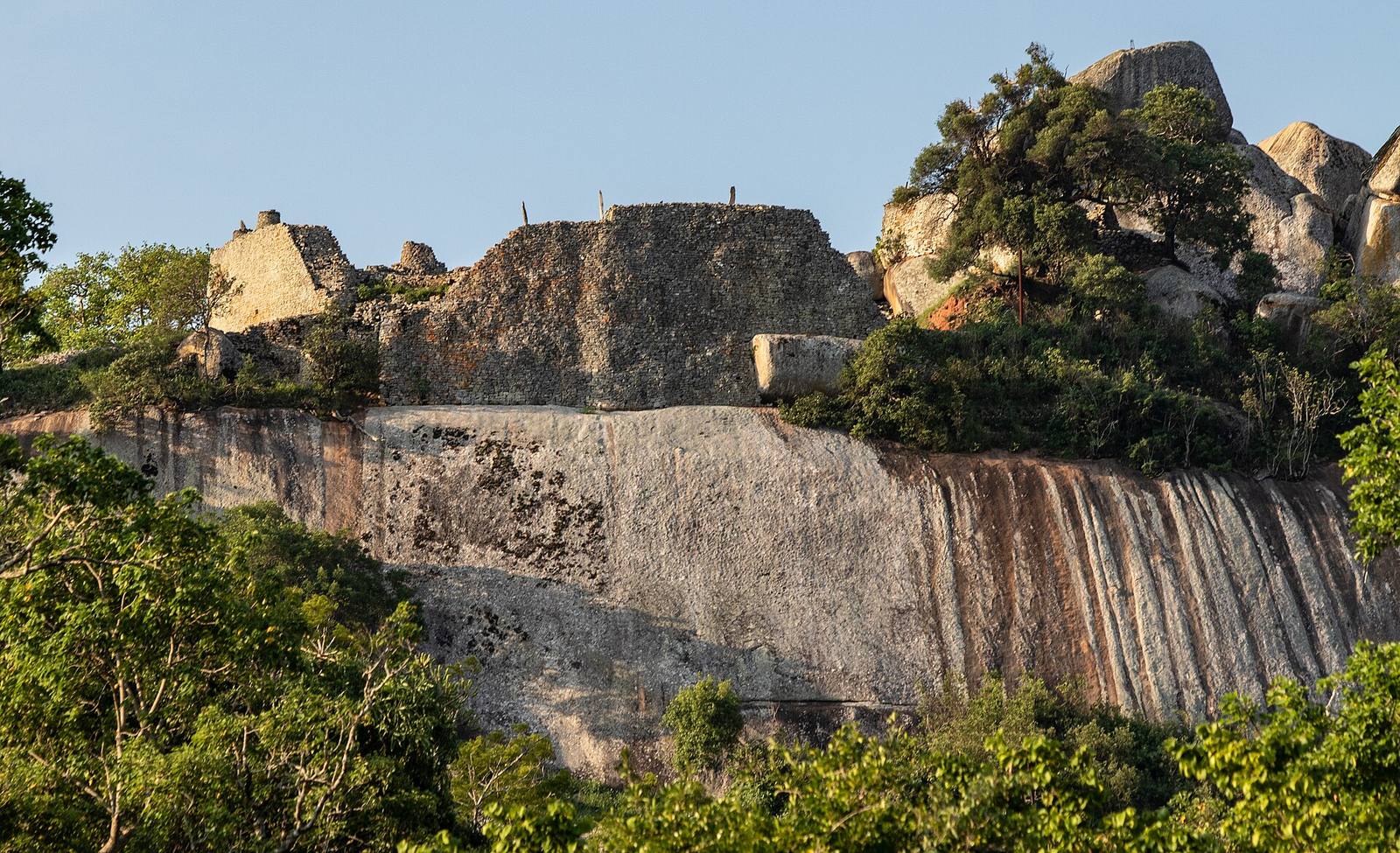
At its height, Great Zimbabwe was home to perhaps ten to twenty thousand people and the centre of a trading network that reached the Indian Ocean coast. Glass beads from India and porcelain from China have been found here. The walls were built without mortar from granite blocks, some more than ten metres high. The name Zimbabwe comes from the Shona for houses of stone, and the carved soapstone **Zimbabwe Bird** found here now appears on the national flag.
What to see
### The Hill Complex
The oldest part of the site sits on a granite hill above the valley. Climb by the steep **Ancient Ascent** or the gentler Modern Ascent, through narrow passages between boulders, to reach enclosures that may have been the royal and spiritual centre. The views over the valley and the Great Enclosure are superb.
### The Great Enclosure
In the valley below stands the **Great Enclosure**, the largest single ancient structure in sub-Saharan Africa. Its outer wall is about 250 metres around, and inside you find the solid **Conical Tower** and narrow parallel passages. The decorative chevron pattern along the top of the wall is beautiful in late afternoon light.
### The Valley Ruins and museum
Between the hill and the enclosure lie the **Valley Ruins**, remains of homes for the wider population. The small **site museum** displays the original soapstone birds and objects found during excavations. A local guide adds a great deal, so ask at the entrance.
When to go
The site is open all year. April to October is dry and pleasant, though early mornings in June and July can be cold. Go early or late in the day to avoid the midday heat and to see the stone at its best colour.
Lake Mutirikwi and around
Nearby **Lake Mutirikwi** (formerly Lake Kyle) is a large reservoir with a small recreational park where you may see white rhino, giraffe and antelope. Lodges around the lake make good bases. The **Mutirikwi** shoreline is lovely at sunset.
Masvingo
**Masvingo**, about thirty kilometres away, is Zimbabwe's oldest colonial town and a practical stop for fuel, supermarkets and banks on the road between Harare and Bulawayo or South Africa.
Where to stay
Choose between the hotel and lodges close to the ruins, lakeside lodges and campsites at Mutirikwi, or hotels in Masvingo town. Staying nearby lets you visit in the soft light of morning or evening.
Getting there
Great Zimbabwe is about four to five hours by road from Harare and around three to four hours from Bulawayo. Intercity coaches stop in Masvingo, from where you can take a taxi. Many travellers visit on a road trip between Harare, Bulawayo and the Matobo Hills.
Tips
Wear good shoes for the climb, carry water and sun protection, and be respectful: the site remains sacred to many people. See Bulawayo and the Matobo Hills and Harare to build your route.
A note on history
For much of the colonial period, authorities claimed Great Zimbabwe could not have been built by Africans. Archaeologists proved otherwise, and the site became a symbol of the independence struggle. Today it is a place of national pride and spiritual importance, and many Zimbabweans living abroad bring their children here to share that story.
Questions about Great Zimbabwe
How long do I need at Great Zimbabwe?
Allow at least three to four hours for the hill, the Great Enclosure and the museum. A night nearby lets you visit in cooler, softer light.
Who built Great Zimbabwe?
It was built by the ancestors of the Shona people between about the eleventh and fifteenth centuries, as the capital of a powerful trading state.
Can I visit Great Zimbabwe from Harare in a day?
It is possible but tiring, with eight to ten hours of driving. Staying a night near the ruins or at Lake Mutirikwi is far better.
Is a guide worth it at Great Zimbabwe?
Yes. Local guides explain the history, the legends and the layout, which brings the walls to life.
Is Great Zimbabwe worth the long drive?
For most visitors, yes. It is one of Africa's most important historic sites, and combining it with Lake Mutirikwi and the Matobo Hills makes a rewarding road trip.
Facts checked . Fees, schedules and entry rules change, so always confirm the latest with the official source.