At a glance
- Best for
- Hiking, waterfalls, birding and quiet breaks
- Main town
- Mutare
- Time needed
- Three to five days
- Best season
- April to October, misty but green in summer
- Highest peak
- Mount Nyangani, the country's highest
- Getting there
- About three to four hours by road from Harare
Why visit
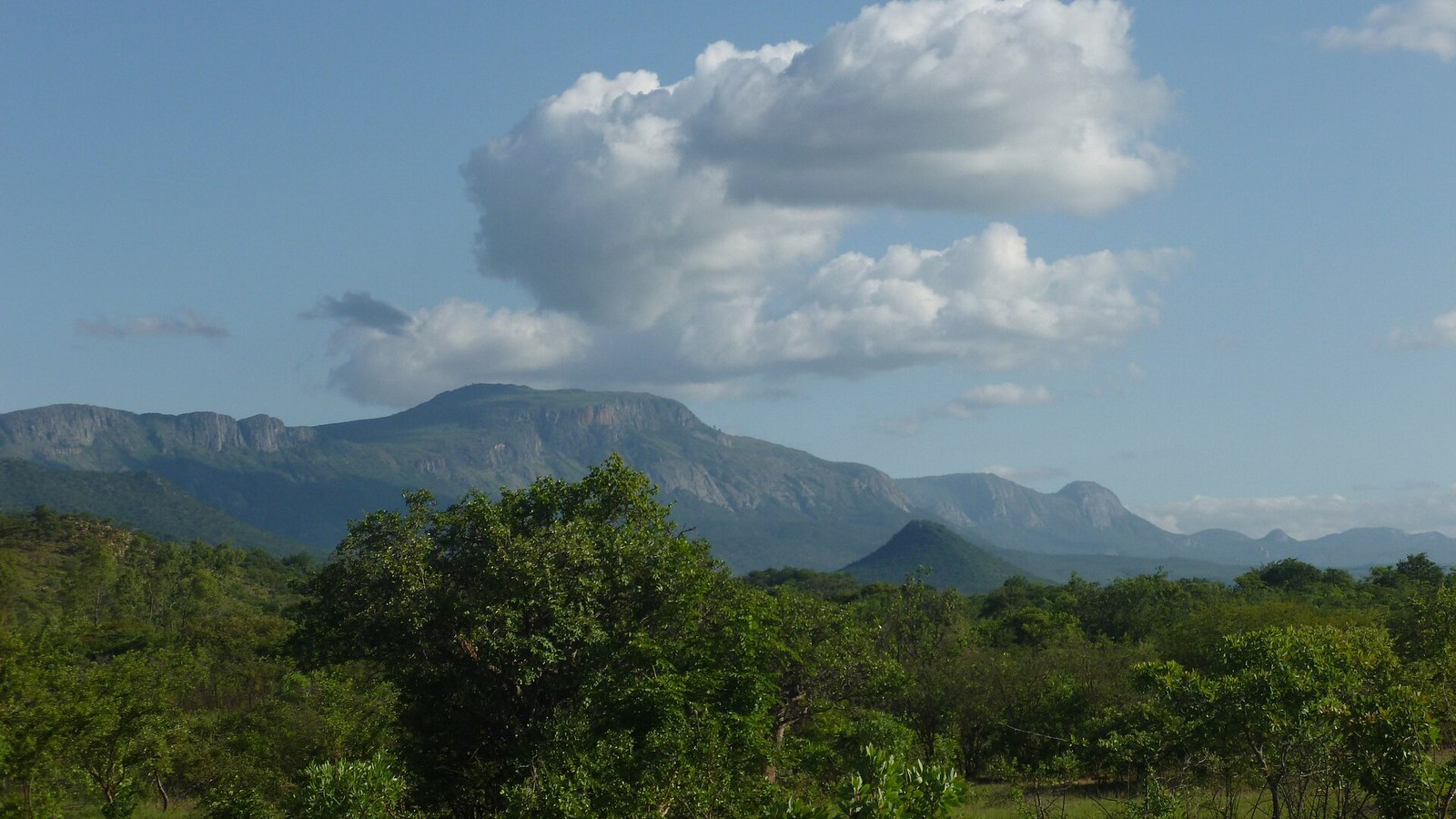
After dusty safari country, the highlands feel like a different country: misty mornings, log fires, rolling hills and clear streams. Families from Harare come here for weekends and school holidays, so it is a lovely place for diaspora visitors to reconnect with relatives as well as a peaceful contrast for first-timers.
Nyanga
**Nyanga National Park** in the north is the best known area. **Mount Nyangani**, Zimbabwe's highest mountain, can be climbed in a few hours on a clear day; mist rolls in quickly, so go with a guide and start early. **Mutarazi Falls**, one of the highest waterfalls in Africa, drops from the edge of the escarpment, and its skywalk and zip line give thrilling views. **Pungwe Falls** and the **Honde Valley** viewpoint look down over tea estates. The area also has fascinating ancient stone terraces and pit structures, and **Nyanga's World's View** gives a huge panorama.
Mutare
**Mutare** is the region's main town and the border crossing to Mozambique. It is pleasant and relaxed, with the **Mutare Museum**, Cecil Kop nature reserve on the hills above town and good supermarkets for supplies.
The Bvumba
The **Bvumba Mountains**, just south east of Mutare, are known as the mountains of the mist. They hold the **Bvumba Botanical Gardens**, lush forest walks, birding for the rare Swynnerton's robin and old fashioned tea gardens serving scones with a view over Mozambique.
Chimanimani
Further south, **Chimanimani** is the wildest part of the highlands, with rugged quartzite peaks and multi day hikes to mountain huts and caves. **Bridal Veil Falls** near the village is an easy visit. The area was badly hit by Cyclone Idai in 2019, and local communities have been rebuilding; tourism helps.
When to go
April to October is dry, with crisp days and cold nights, ideal for hiking. November to March brings rain, mist and lush green landscapes, with some roads becoming slippery. Pack warm layers at any time of year.
Where to stay
Choose from national parks lodges in Nyanga, old country hotels with gardens and golf courses, self catering cottages and small guesthouses in the Bvumba and Chimanimani. Book ahead for school holidays and long weekends.
Getting there
Mutare is about three to four hours by road from Harare, and Nyanga about three hours. Coaches run between Harare and Mutare, but local transport to the parks is limited, so many visitors use a private transfer or a tour.
Staying safe
The highlands are calm and friendly. The main risks are mountain weather, steep roads and getting lost in mist, so hike with a guide, tell someone your plans and carry warm, waterproof clothing. Malaria is low in the high areas but present in the Honde Valley and lowlands. For your route, see the destinations overview and the free trip planner.
Food and local life
The highlands grow tea, coffee, apples, macadamias and trout, and you will find fresh produce at roadside stalls and farm shops. Tea rooms serve scones and cream with mountain views, and local markets in Mutare and Nyanga village sell fruit, honey and baskets. Honde Valley tea estates sometimes welcome visitors, so ask locally.
Questions about the Eastern Highlands
How do I get to the Eastern Highlands from Harare?
By road. Nyanga and Mutare are each about three to four hours from Harare. Coaches serve Mutare, and a private transfer or tour is easiest for the parks.
Can anyone climb Mount Nyangani?
Fit walkers can reach the summit in a few hours on a clear day, but mist comes in quickly and people have been lost. Go with a guide and start early.
Is it cold in the Eastern Highlands?
It can be, especially from May to August when nights are near freezing. Bring warm layers at any time of year.
Is there malaria in the Eastern Highlands?
The risk is low in the high areas such as Nyanga and the Bvumba but present in lower areas such as the Honde Valley. Ask a travel clinic for advice before you go.
Facts checked . Fees, schedules and entry rules change, so always confirm the latest with the official source.