At a glance
- Best for
- History, rock art, rhino tracking and family visits
- Airport
- Joshua Mqabuko Nkomo International Airport (BUQ)
- Time needed
- Two to four days
- Best season
- April to October
- Language
- English and Ndebele
- Getting there
- Flights or coaches from Harare and Victoria Falls
Bulawayo
Bulawayo was built with streets wide enough to turn a full span of oxen, and the city centre still has many fine early twentieth century buildings. It feels calmer and more relaxed than Harare. Many people in the diaspora have family here, and the city is proud of its own Ndebele language, food and music.
### Things to do in the city
The **Natural History Museum** in Centenary Park is one of the best in Africa, with huge mammal and mineral collections. The **Bulawayo Railway Museum** shows steam locomotives from the days when Rhodesia Railways linked the region. The **National Gallery** in a handsome old building on Main Street shows local artists. **Centenary Park** and **Central Park** are good for an afternoon walk, and **Mzilikazi Art and Craft Centre** has trained generations of Bulawayo artists.
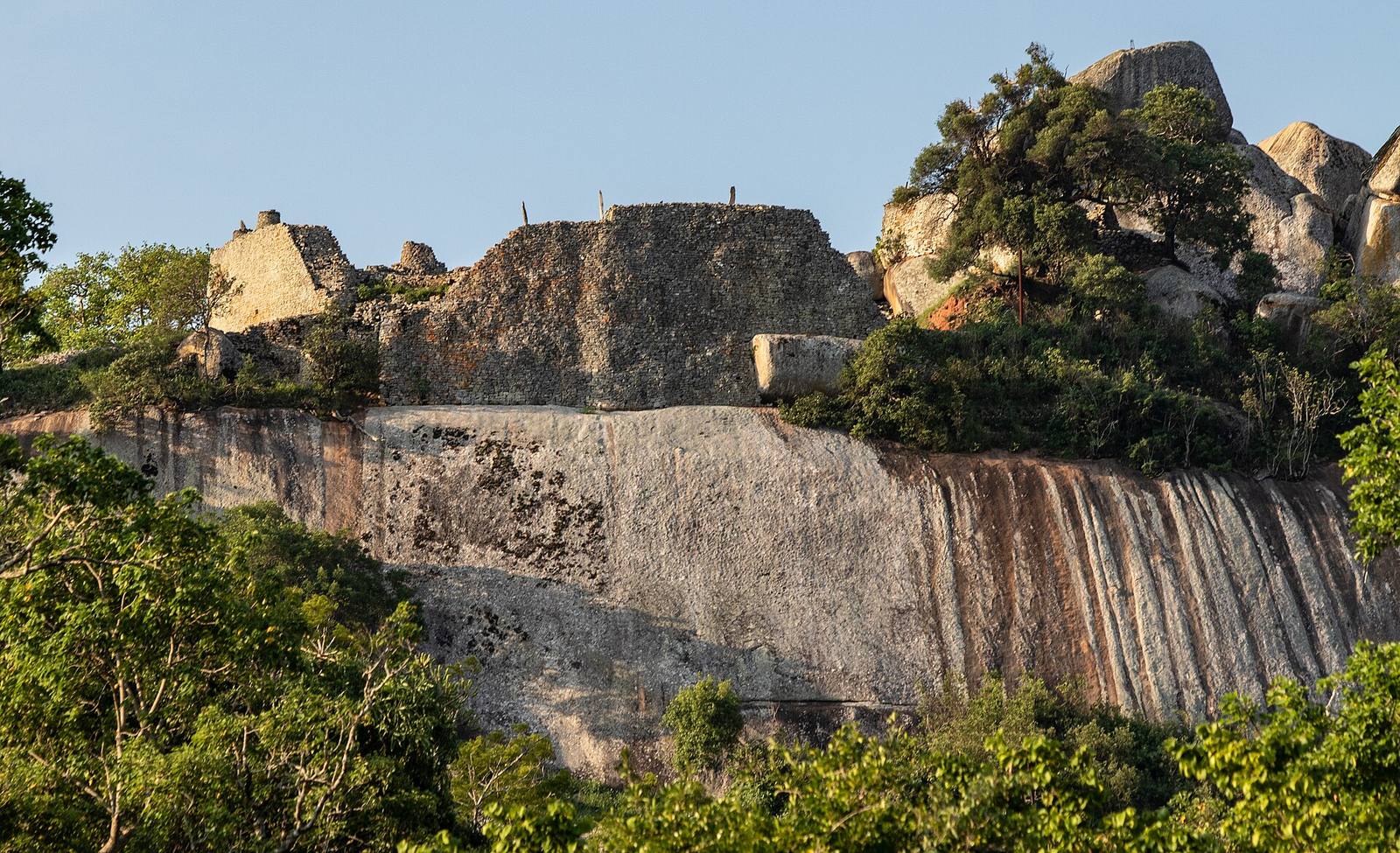
Just outside town, **Chipangali Wildlife Orphanage** cares for injured animals, and the **Khami Ruins**, another UNESCO site, are the remains of a stone city that followed Great Zimbabwe.
The Matobo Hills
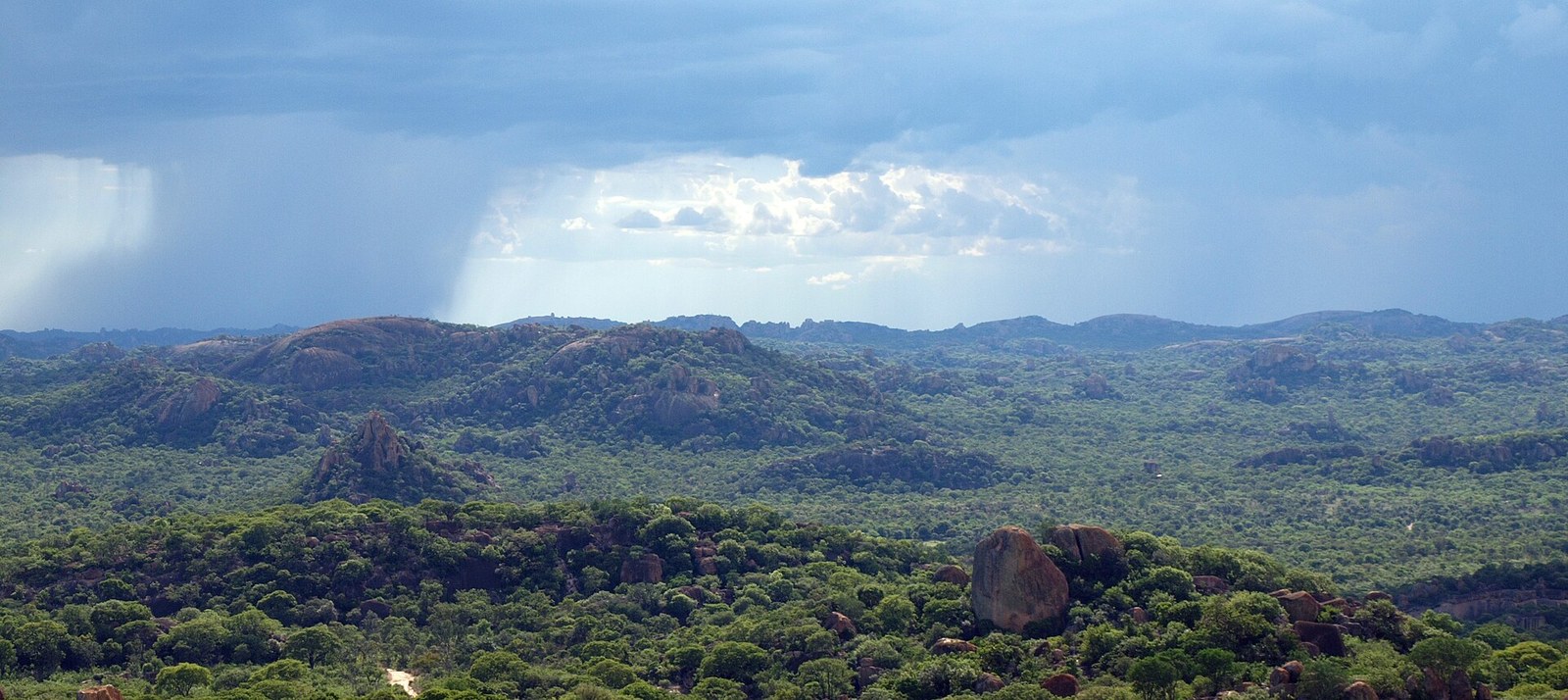
About forty kilometres south of Bulawayo, the **Matobo National Park** protects a landscape of whaleback hills, balancing rocks and quiet valleys. It has been sacred to local people for centuries and is still home to shrines that are important to many Zimbabweans.
### Rock art
The Matobo Hills contain one of the richest collections of rock art in southern Africa. **Nswatugi Cave** has fine paintings of giraffe and antelope, and **Silozwane** and **Pomongwe** caves are also worth seeing. A local guide brings the paintings to life.
### World's View
**Malindidzimu**, also called World's View, is a granite dome with sweeping views at sunset. Cecil Rhodes is buried here, which remains a subject of debate in Zimbabwe; the view and the setting are the reason most people come.
### Rhino tracking
Matobo's **Whovi Wild Area** holds both white and black rhino. Guided walks with experienced guides let you approach rhino on foot, one of the most memorable wildlife experiences in the country. Leopard and the rock loving black eagle are also found here.
When to go
April to October is dry, with cool nights in June and July. The rains from November to March bring green hills and dramatic storms. Matobo is good all year.
Where to stay
Bulawayo has hotels, guesthouses and lodges in suburbs such as Suburbs, Hillside and Burnside. In the Matobo Hills you can choose between national parks lodges at Maleme Dam, campsites and comfortable lodges outside the park, which also arrange rhino walks.
Getting there and around
Bulawayo has an international airport with domestic flights to Harare and Victoria Falls. Intercity coaches run on the main roads. A guided tour or private transfer is the easiest way to reach the Matobo Hills and the rock art sites.
Staying safe
Bulawayo is generally calm, but take care in the city centre after dark and keep valuables hidden. In the hills, walk with a guide in rhino areas. Read about Great Zimbabwe for the next stop, and see our places to visit.
Food and culture
Try Ndebele favourites such as isitshwala (the local name for sadza) with oxtail or dried mopane worms, and look out for amacimbi on market stalls. Bulawayo has a long music tradition, and the annual Intwasa Arts Festival in September brings theatre, poetry and dance to the city. Sunday lunch and braais with family are central to local life, so if you are visiting relatives, expect to be fed well.
Questions about Bulawayo and the Matobo Hills
How far is Matobo from Bulawayo?
The park entrance is about forty kilometres south, roughly forty five minutes by road.
Can I see rhino on foot in Matobo?
Yes. Guided rhino walks in the Whovi Wild Area are a highlight, run by licensed guides and lodges near the park.
Is Bulawayo worth visiting?
Yes. It is relaxed, historic and close to the Matobo Hills and Khami Ruins, and its Natural History Museum is excellent.
What is there to eat in Bulawayo?
Isitshwala with beef or chicken stew, oxtail, greens and mopane worms are local favourites, and the suburbs have relaxed cafés and steakhouses.
Facts checked . Fees, schedules and entry rules change, so always confirm the latest with the official source.