At a glance
- Best for
- Solitude, leopards, lions and rare antelope
- Nearest city
- Lusaka, a few hours by road
- Time needed
- Four to six nights
- Best season
- June to October
- Busanga Plains
- Usually accessible from about July to October
- Getting there
- Road from Lusaka or Livingstone, or light aircraft
Why visit Kafue
If you want a safari that still feels like discovery, Kafue is the place. It sees a fraction of the visitors of the Luangwa or the Zambezi, yet has some of the greatest variety of antelope in Africa, including sable, roan, puku, red lechwe, oribi and Lichtenstein's hartebeest. Leopards are often seen on night drives, and the lions of the Busanga Plains are famous for climbing fig trees. The park has seen investment in conservation in recent years, and wildlife numbers are recovering in several areas.
The areas of the park
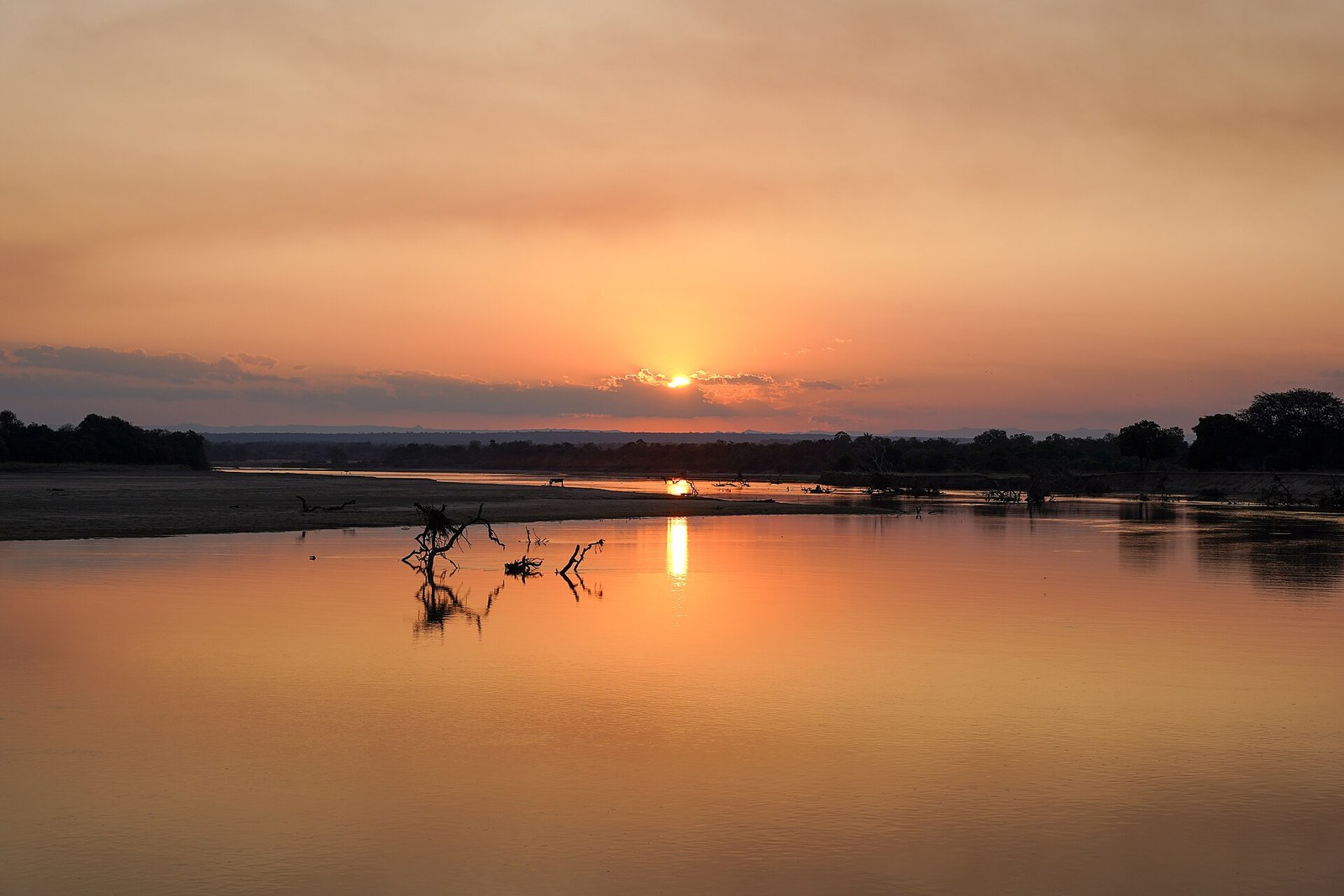
**Central Kafue**, around the Kafue River near the main Lusaka to Mongu road, is the easiest area to reach and has a good range of camps, many with river activities and canoeing.
**Northern Kafue and the Busanga Plains** are the wild heart of the park. The plains flood in the rains and dry out from about July, revealing huge grasslands with lechwe, puku, wildebeest, cheetah and lions. Access is only possible in the dry months.
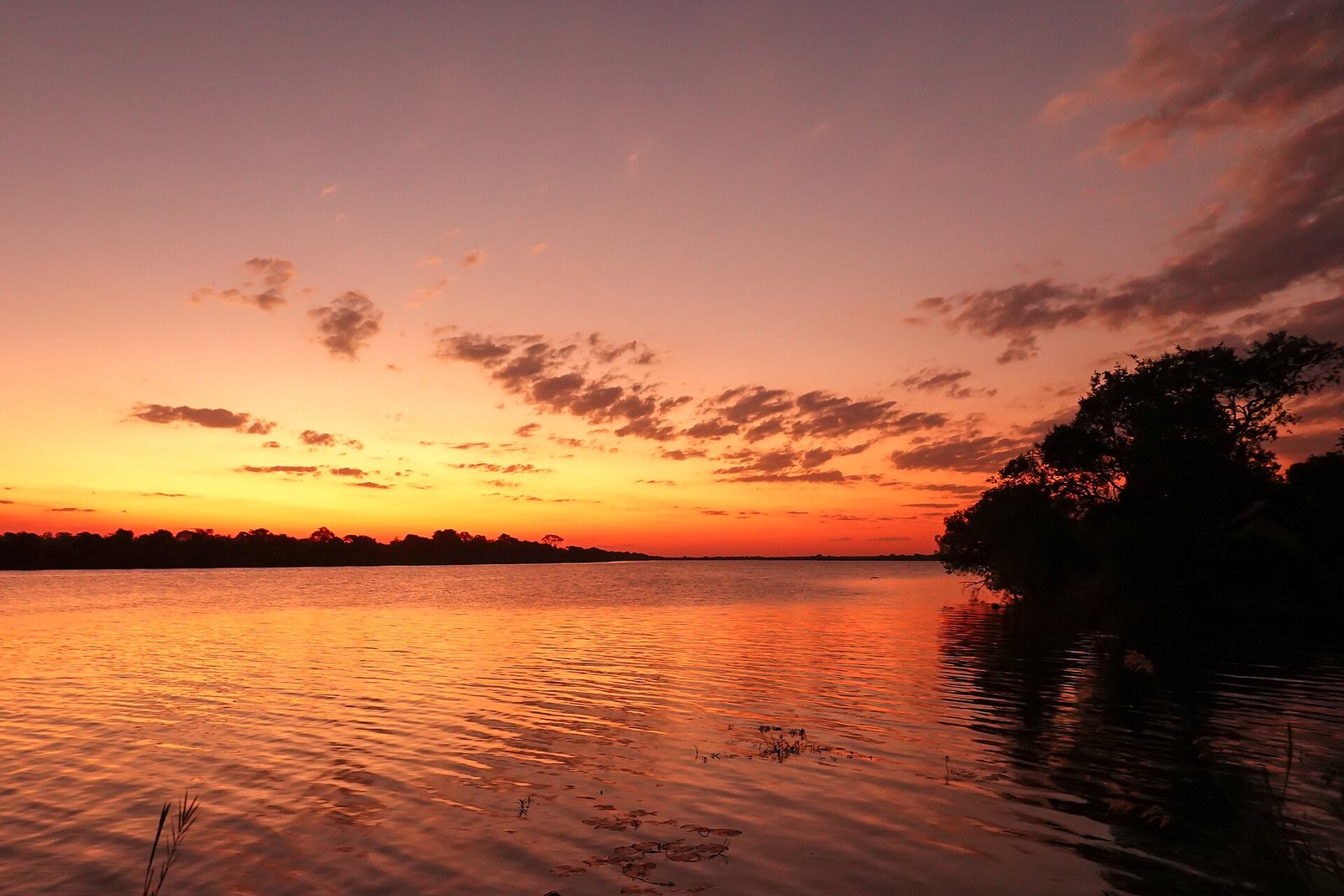
**Southern Kafue**, around **Lake Itezhi Tezhi** and the Nanzhila Plains, is quieter still, with lake boat trips, birding and woodland walks.
When to go
June to October is the best time. July to October is when the Busanga Plains are accessible. From November the rains start, many camps close and roads in the north become impassable. Central camps near the main road may open longer, but check before planning green season travel.
Getting there
From Lusaka, a tarred road runs west to the park, crossing it at the Kafue River bridge, where several camps sit nearby; the drive takes a few hours. From Livingstone, roads reach the southern sector via Kalomo or Itezhi Tezhi. For the north, many visitors fly in by light aircraft, since roads are long and sandy. If you self drive, you need a well equipped four by four, recovery gear and good planning.
Where to stay
Choices run from good value bush camps with simple tents, such as Mayukuyuku, to comfortable riverside lodges like Mukambi and Ila, and remote, highly personal camps in the north such as Musekese and those on the Busanga Plains. In the south, KaingU sits on a quiet stretch of the river.
Activities
Game drives by day and night, guided walks, boat cruises and canoeing on the river, fishing for bream and tigerfish, and sunset boat trips on Lake Itezhi Tezhi. Birders will find more than four hundred and eighty species.
Health and safety
Kafue is a malaria area, so take advice before travelling. Tsetse flies are common in woodland: wear light, neutral colours and use repellent. Camps are unfenced, so never walk alone at night. Fuel and supplies are limited inside the park, so stock up in Lusaka or Mumbwa.
A typical day
Expect an early start with coffee by the river, a morning drive or walk, a rest in the heat, and an afternoon boat trip or drive ending with a night drive in search of leopard.
Who it suits
Kafue suits repeat safari goers, photographers, birders and anyone who values solitude over ticking off species quickly.
Questions about Kafue National Park
Is Kafue good for a first safari?
It can be, especially central Kafue, which is easy to reach from Lusaka. First-timers wanting the most game in the least time often choose South Luangwa, then add Kafue on a later trip.
When can I visit the Busanga Plains?
Usually from about July to October, once the floodwaters drop. Exact access depends on the year's rains, so check with camps.
Can I self drive in Kafue?
Yes, with a four by four, recovery equipment and good planning. Roads in the north are long and sandy, and fuel is limited.
How big is Kafue National Park?
It covers more than twenty two thousand square kilometres, making it one of the largest national parks in Africa.
Facts checked . Fees, schedules and entry rules change, so always confirm the latest with the official source.