At a glance
- Best for
- Nature, surfing, stargazing and simple village life
- Gateway
- Bus from Montevideo or Punta del Este
- Time needed
- Three to five days
- Best season
- December to March, September to November for whales
- Getting around
- Intercity buses, local taxis and the trucks to Cabo Polonio
- Pack
- Cash, a torch and layers for windy evenings
Cabo Polonio
**Cabo Polonio** is the coast's most famous place, a scattering of brightly painted cabins on a rocky headland surrounded by dunes. No public road reaches it: you park at the entrance on Route 10 and ride in on large open trucks across the dunes, or walk for around two hours. Electricity is limited, there is no proper street lighting, and at night the sky fills with stars.
Below the **lighthouse**, one of the largest sea lion and fur seal colonies on the coast lounges on the rocks. Climb the lighthouse for the view, walk the beaches on either side, and stay at least one night to feel the place once the day visitors leave. Bring cash, a torch and patience: services are simple and some close outside summer.
Punta del Diablo
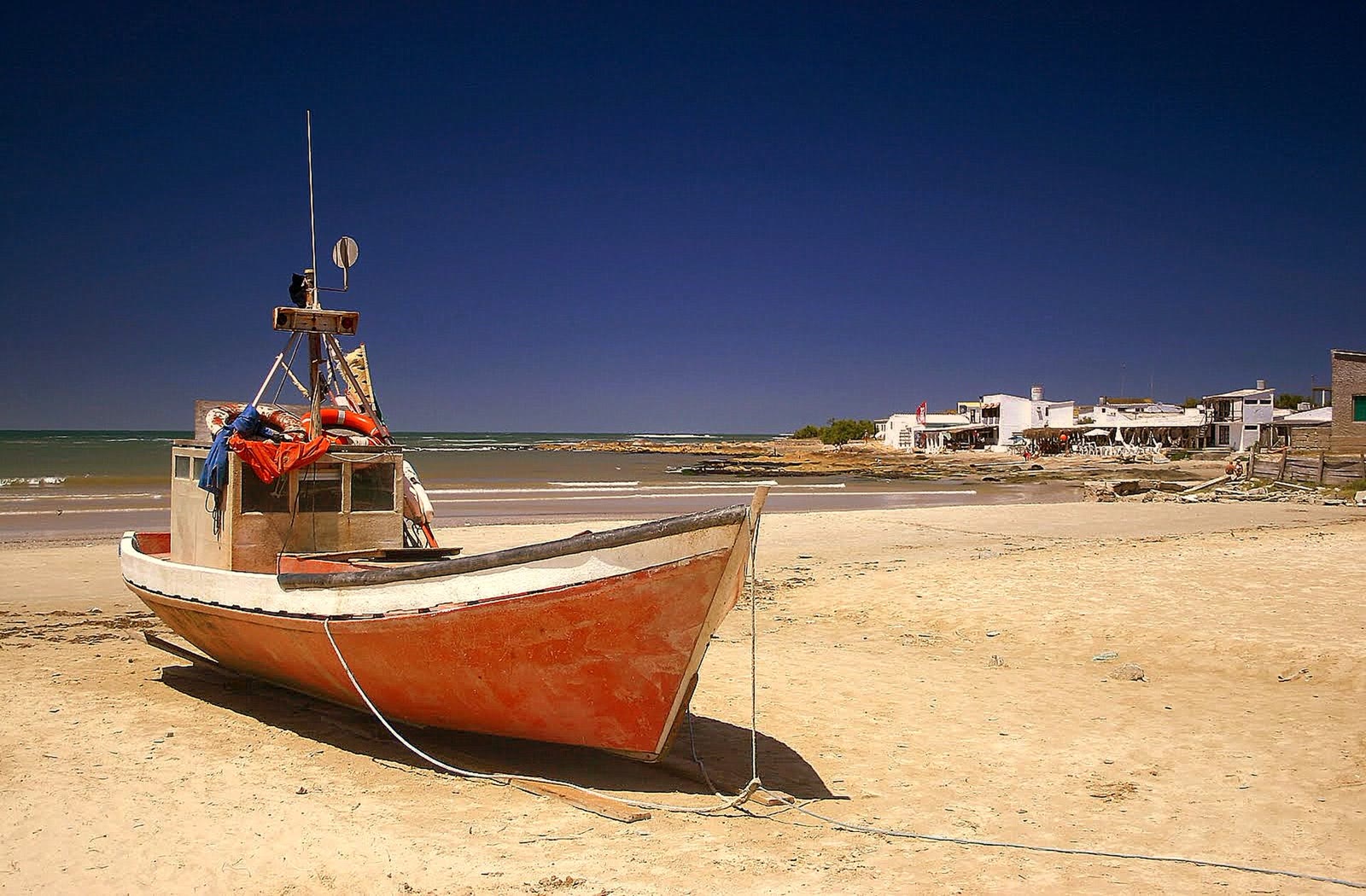
**Punta del Diablo** was a small fishing village that became a favourite of surfers and backpackers. It is still relaxed outside January, with fishing boats on the sand, seafood stalls selling fried fish and empanadas, and several beaches facing different directions, so one of them usually has good conditions.
Just north, **Parque Nacional Santa Teresa** protects forest, beaches and the eighteenth century **Fortaleza de Santa Teresa**, a star shaped stone fort. The park has campsites, cabins and quiet beaches such as Playa Grande and Playa del Barco.
La Paloma and La Pedrera
**La Paloma** is a family friendly town with a lighthouse, calm and surf beaches and more services than the villages around it. Next door, **La Pedrera** sits on cliffs above long beaches and fills up during Carnival. Both are good bases if you want restaurants, cash machines and a pharmacy close by.
Lagoons, palms and wildlife
Inland, the **Laguna de Rocha** and **Laguna de Castillos** are protected wetlands with black necked swans, flamingos and other birds. Around Castillos you will see butiá palms, whose fruit is made into a sweet liqueur and jams sold along the roads. From roughly July to November, southern right whales often come close to shore; La Paloma and Punta del Diablo are good places to look.
Staying safe and comfortable
Rip currents are strong on some Atlantic beaches, so swim where lifeguards are on duty and follow the flags. The sun is strong and shade is scarce on the dunes, so bring a hat and plenty of water. Medical services are limited in the villages, with the main hospitals in Rocha and Maldonado.
When to go
January and Carnival are busy, with young crowds and full cabins. December, February and March are calmer and still warm. Out of season, many businesses close and buses run less often, but the coast is beautiful, empty and cheap. Evenings can be windy and cool at any time, so pack a warm layer.
Getting there
Intercity buses run from Montevideo's Tres Cruces terminal to Rocha, La Paloma, Castillos, the Cabo Polonio entrance and Punta del Diablo. Journeys take around four to five hours to the furthest points. Some services also connect from Punta del Este. In summer, book your bus seat a day or two ahead.
Questions about The Rocha coast
How do I get into Cabo Polonio?
Take a bus to the Cabo Polonio terminal on Route 10, buy a ticket for the official truck service and ride across the dunes. Private cars are not allowed in. Walking takes around two hours.
Is there electricity and wifi in Cabo Polonio?
Some, but it is limited and mostly from solar panels and generators. Charge devices when you can, carry a torch and bring enough cash, as card machines and connections can fail.
Is Punta del Diablo good for beginners?
Yes, there are surf schools and board rentals in summer, and several beaches with gentler waves. Ask locally each day, as conditions and currents change quickly.
When can I see whales on the Rocha coast?
Southern right whales usually pass from around July to November, often close to shore. Bring binoculars and look out from headlands near La Paloma and Punta del Diablo.
Facts checked . Fees, schedules and entry rules change, so always confirm the latest with the official source.