At a glance
- Best for
- Architecture, food, sea views and culture
- Getting there
- Train from Kyiv or Lviv, or bus from Moldova
- Time needed
- Two to three days
- Best season
- May to September
- Language
- Ukrainian and Russian
- Getting around
- On foot, trams and app taxis
Why visit Odesa
Odesa has always been different from the rest of Ukraine: sunny, irreverent, fond of jokes and proud of its mixed heritage. Its historic centre was added to UNESCO's World Heritage in Danger list in 2023, after Russian strikes damaged the Transfiguration Cathedral and other buildings. The city keeps its theatres, markets and cafés open with defiant good humour.
Before you plan
Odesa and its port are regularly attacked, and the Black Sea coast has extra risks, including sea mines. Most Western governments advise against all travel to Odesa region or to Ukraine in general. Read your government's advice, check your insurance, and only go if you have a strong reason and a shelter plan. Beaches have been closed or restricted at times; follow local notices and never swim where it is forbidden.
The main sights
The **Potemkin Stairs** run from **Primorsky Boulevard** down to the port, made famous by the film Battleship Potemkin. At the top, the statue of the Duc de Richelieu, the city's first governor, looks out to sea. Walk the boulevard past the **Vorontsov Palace** colonnade and the small **Mother-in-law Bridge**.
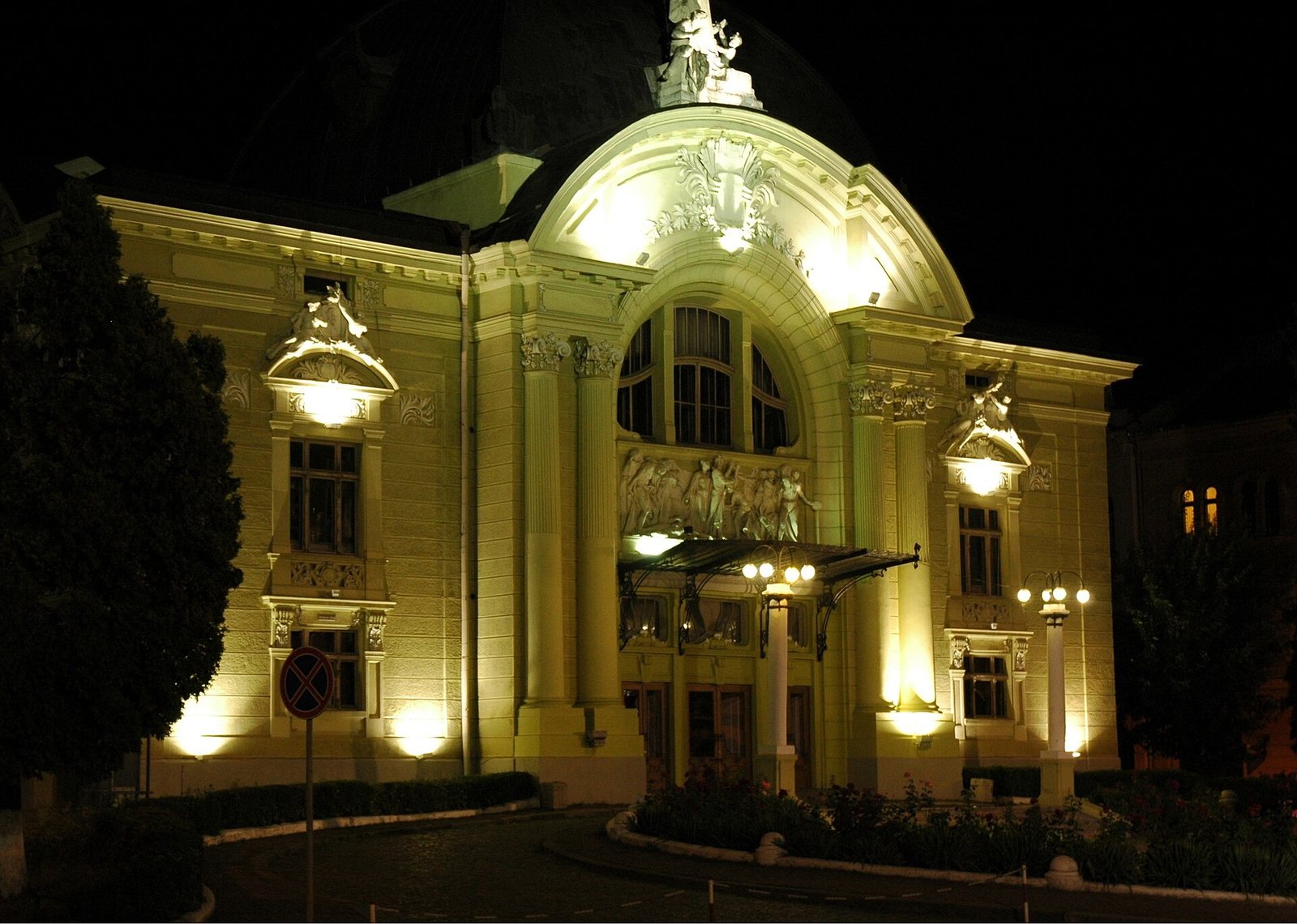
The **Odesa Opera and Ballet Theatre** is the city's pride, a baroque jewel built by Viennese architects in the 1880s. Seeing a performance is the best way to see the interior, and tickets are affordable.
**Deribasivska Street** is the pedestrian main street, leading to the **City Garden** and the arcades of **Passage**. The rebuilt **Transfiguration Cathedral** stands on Sobornaya Square.
Markets and food
**Privoz Market** is the soul of the city, a huge, noisy market of fish from the Black Sea, fruit from the south, cheese and pickles, with sellers who love to bargain and to talk. Odesa cooking mixes Ukrainian, Jewish, Greek and Moldovan influences: try forshmak herring pate, fried sprats, aubergine caviar and Odesa style stuffed fish. **Kompot** and **Dacha** are local favourites for home cooking, and **Gogol Mogol** is a charming café.
Beyond the centre
The **Odesa Catacombs**, hundreds of kilometres of limestone tunnels, can be visited in a short guided section at the **Museum of Partisan Glory** in Nerubaiske. **Arcadia** is the summer nightlife district by the sea, much quieter in wartime. **Shevchenko Park** leads down to Lanzheron beach.
Getting around
The centre is flat and easy to walk, laid out on a grid. Trams and app taxis cover the rest. Night trains link Odesa with Kyiv and Lviv, and buses cross to Moldova.
Staying safe
Stay in a hotel with a shelter. Take every alert seriously, as strikes on Odesa often come with very little warning. Do not photograph the port, ships, air defence or strike damage. Respect the curfew and carry your passport.
A note for the diaspora
Many families scattered across Europe, Israel and North America trace their roots to Odesa, and some come back to find old addresses or graves. The city archives and the Jewish community centres can help with research, but contact them well before you travel, as wartime hours are limited. If relatives still live here, stay with them or nearby, agree on a shelter plan together, and keep in touch with family abroad after every night of attacks.
Use the free trip planner to think through whether Odesa fits your trip.
Questions about Odesa
Is Odesa safe to visit?
Odesa is attacked often, and its port and energy sites are frequent targets. Most Western governments advise against travel there. Only go after reading current advice and with a clear shelter plan.
Can I swim in the sea in Odesa?
Sometimes. Beaches have been closed or opened only in marked zones because of mines and military rules. Check local notices and never swim where it is forbidden.
How do I get to Odesa?
By night train from Kyiv or Lviv, or by bus from Chisinau in Moldova. There are no civilian flights.
Can I visit the Odesa Catacombs?
Yes, a small, safe section is open with guides at the Museum of Partisan Glory in Nerubaiske. Never enter other tunnels on your own, as people have been lost in them.
Facts checked . Fees, schedules and entry rules change, so always confirm the latest with the official source.