At a glance
- Best for
- Temples, food, crafts, nature and slow travel
- Airport
- Chiang Mai International Airport (CNX)
- Time needed
- Three to five days
- Best season
- November to February, cool and dry
- Avoid
- Smoky haze from burning season, roughly February to April
- Getting around
- Red songthaew trucks, ride apps, bicycles and walking
Why go
Chiang Mai was the capital of the Lanna kingdom, and its culture, food and architecture are distinct from Bangkok's. The old city is small enough to walk or cycle, the surrounding countryside is green and mountainous, and there is a calm, creative feel that suits families, couples and solo travellers alike.
Temples
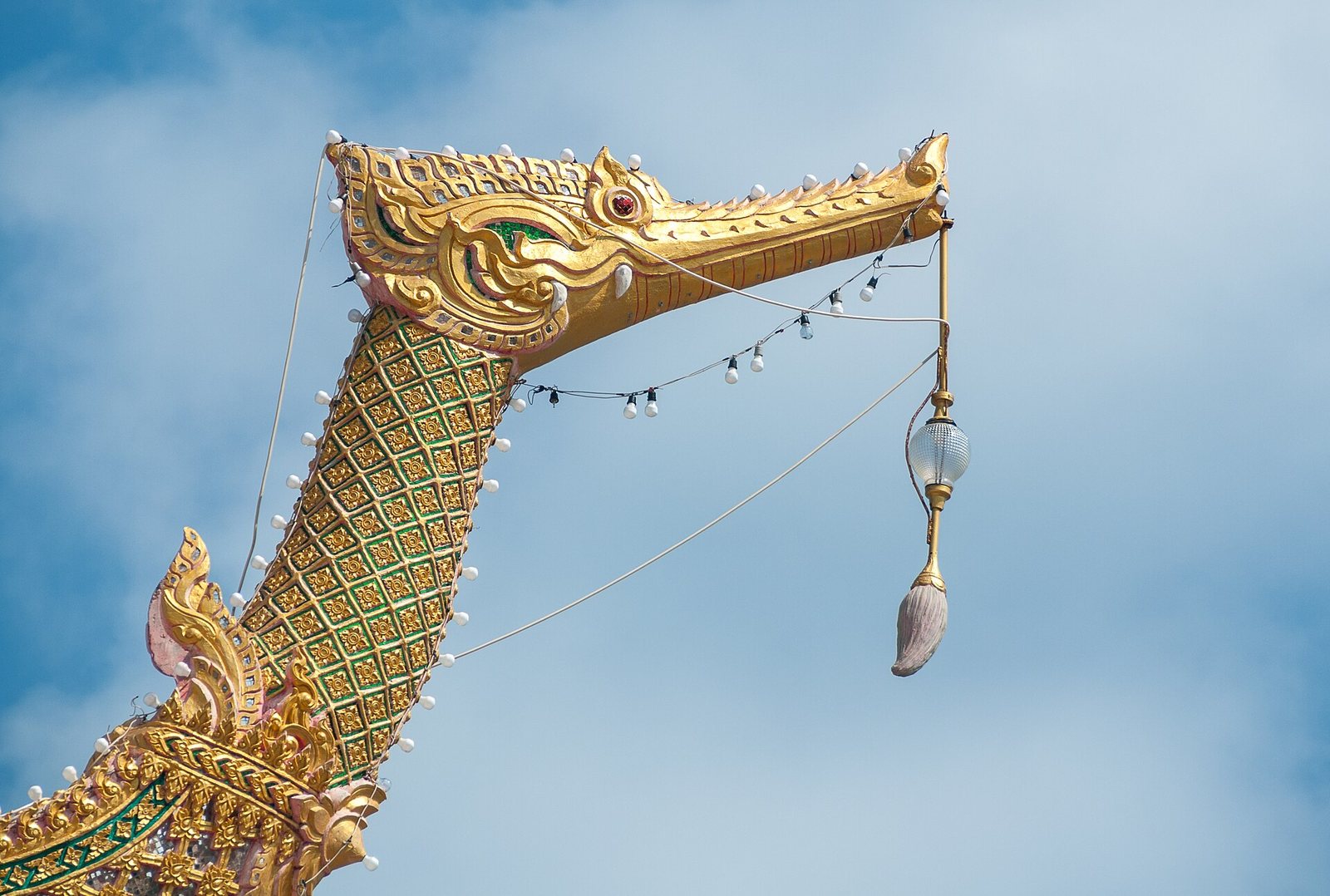
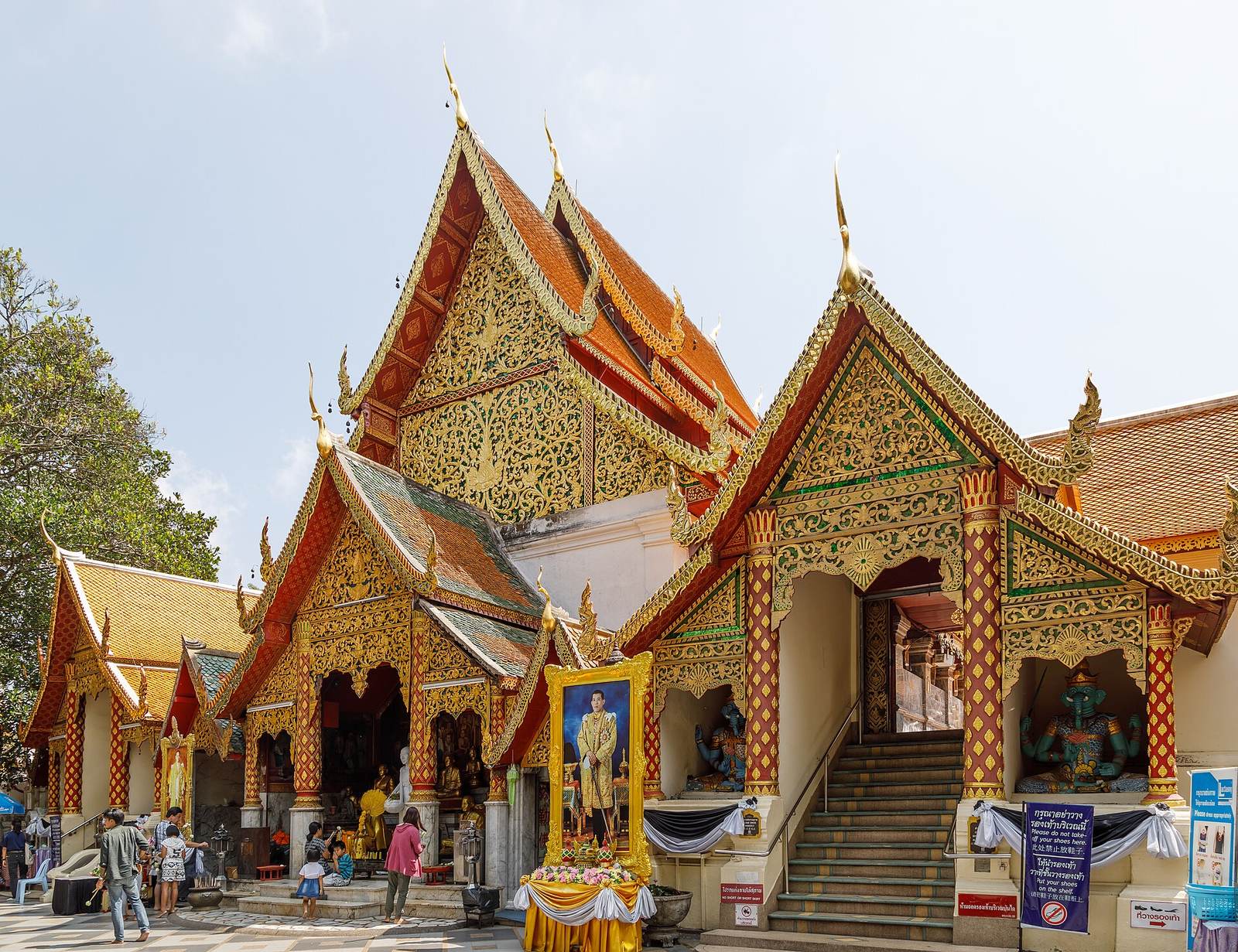
Inside the old city walls, Wat Phra Singh is the most revered temple, with a beautiful Lanna style chapel. Wat Chedi Luang has a vast ruined chedi damaged by an earthquake centuries ago; its monk chat sessions let you ask monks about their lives. Wat Phan Tao is a lovely teak temple. Just outside town, Wat Umong has meditation tunnels in the forest. Above the city, Wat Phra That Doi Suthep sits on its mountain, reached by a winding road and a staircase flanked by naga serpents, with views across the valley on clear days.
Markets
The Sunday Walking Street fills Ratchadamnoen Road from Tha Phae Gate, with crafts, music and food. On Saturday the Wualai Road market has silverwork and snacks. The Night Bazaar runs every evening on Chang Klan Road. Warorot Market, by the river, is where locals shop for northern sausage, dried fruit and fabrics.
Food
Khao soi, a curried noodle soup with crispy noodles on top, is Chiang Mai's signature dish. Try also sai ua (herby northern sausage), nam prik ong (a tomato and pork chilli dip) and khantoke, a northern style set dinner. Cooking classes, many on farms outside the city, are one of the best things to do here, and include a market visit.
Elephants and nature
Choose an elephant sanctuary that does not offer riding, bathing shows or performances, and read its policies before booking. Doi Inthanon, Thailand's highest mountain, is a long day trip with waterfalls, twin royal pagodas and cloud forest trails. Closer in, the Sticky Waterfall (Bua Tong) lets you climb up limestone cascades, and the Mae Sa valley has gardens and treks.
Neighbourhoods
The Old City is quiet, walkable and full of guesthouses. Nimmanhaemin, to the west near the university, has cafés, boutiques and bars. The riverside and Tha Phae Gate area have good hotels and easy access to the Night Bazaar. Hang Dong and the mountains offer resort stays in nature.
Getting there and around
Flights from Bangkok take about an hour. The overnight sleeper train is a classic experience, best booked ahead on the State Railway of Thailand site. In town, red songthaew trucks work as shared taxis: tell the driver your destination and agree the fare. Ride apps work well, and many guesthouses rent bicycles.
When to go
November to February is cool and lovely, and the Yi Peng lantern festival, usually in November alongside Loy Krathong, is magical. From about February to April, crop burning brings heavy smoke and poor air quality; check air quality forecasts and consider other regions if you have breathing problems. Songkran in April is a city-wide water fight.
Beyond Chiang Mai
Pai, a winding three hours away, is a laid-back valley town. Chiang Rai has the White Temple and the Golden Triangle, and Sukhothai's ruins are on the way back south.
Questions about Chiang Mai
How many days should I spend in Chiang Mai?
Three to five days lets you see the temples, take a cooking class, visit Doi Suthep and spend a day in nature or at an ethical elephant sanctuary.
When is burning season in Chiang Mai?
Smoke from agricultural burning usually affects the north from about February to April, sometimes into May. Check air quality forecasts before travelling at that time.
Is the night train to Chiang Mai worth it?
Yes, for many people. Sleeper berths are comfortable and the trip is part of the adventure. Book ahead with the State Railway of Thailand, especially in high season.
How do I choose an ethical elephant sanctuary?
Avoid anywhere that offers riding, shows, painting or forced bathing. Look for small groups, observation based visits and clear information about where the elephants came from.
Facts checked . Fees, schedules and entry rules change, so always confirm the latest with the official source.