At a glance
- Best for
- The norias, slow walks and an easy overnight stop
- Nearest airport
- Damascus (DAM) or Aleppo (ALP)
- Time needed
- One to two days
- Best season
- March to May and September to November
- Getting around
- On foot along the river, taxis for longer trips
- Good base for
- Apamea, Musyaf Castle and Krak des Chevaliers
Why go
Hama is the classic halfway stop on the road north, and it deserves a full day rather than a quick photograph. Sitting by the river as the wheels groan and drip, with a glass of tea or a plate of the city's famous sweets, is one of the simple pleasures of travel in Syria. The city also carries a painful history: in 1982 much of its old centre was destroyed when the government crushed an uprising, and many families still remember it. Locals may talk about it, but let them lead.
Top things to do
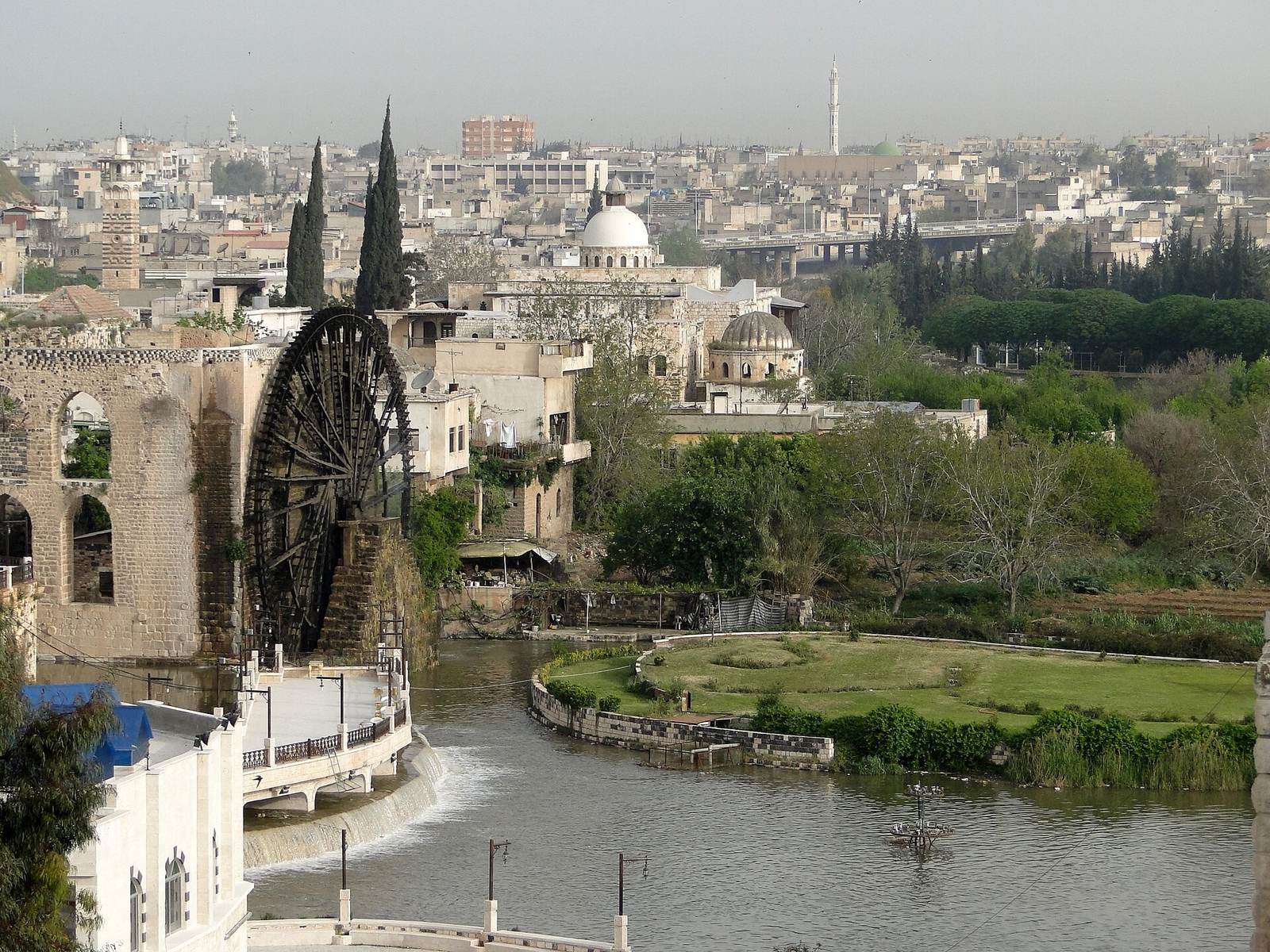
The **norias** are the reason to come. The largest, such as **Al Muhammadiyah**, are more than twenty metres across and are made entirely of wood. There are several in the city centre and more along the river outside town. Walk the riverside path from the centre past the **Four Norias** at Bab al Nahr in the evening, when families picnic in the parks.
The **Azem Palace of Hama**, built for the Ottoman governor As'ad Pasha al Azem before his more famous palace in Damascus, is a lovely house of courtyards, painted ceilings and a small museum of local life. Check opening hours locally.
Wander what remains of the old quarters along the river, such as **Kilaniyah**, with vaulted lanes and old stone houses, and visit the **Great Mosque of Hama**, rebuilt after 1982 on a site that was once a Roman temple and a church.
Day trips
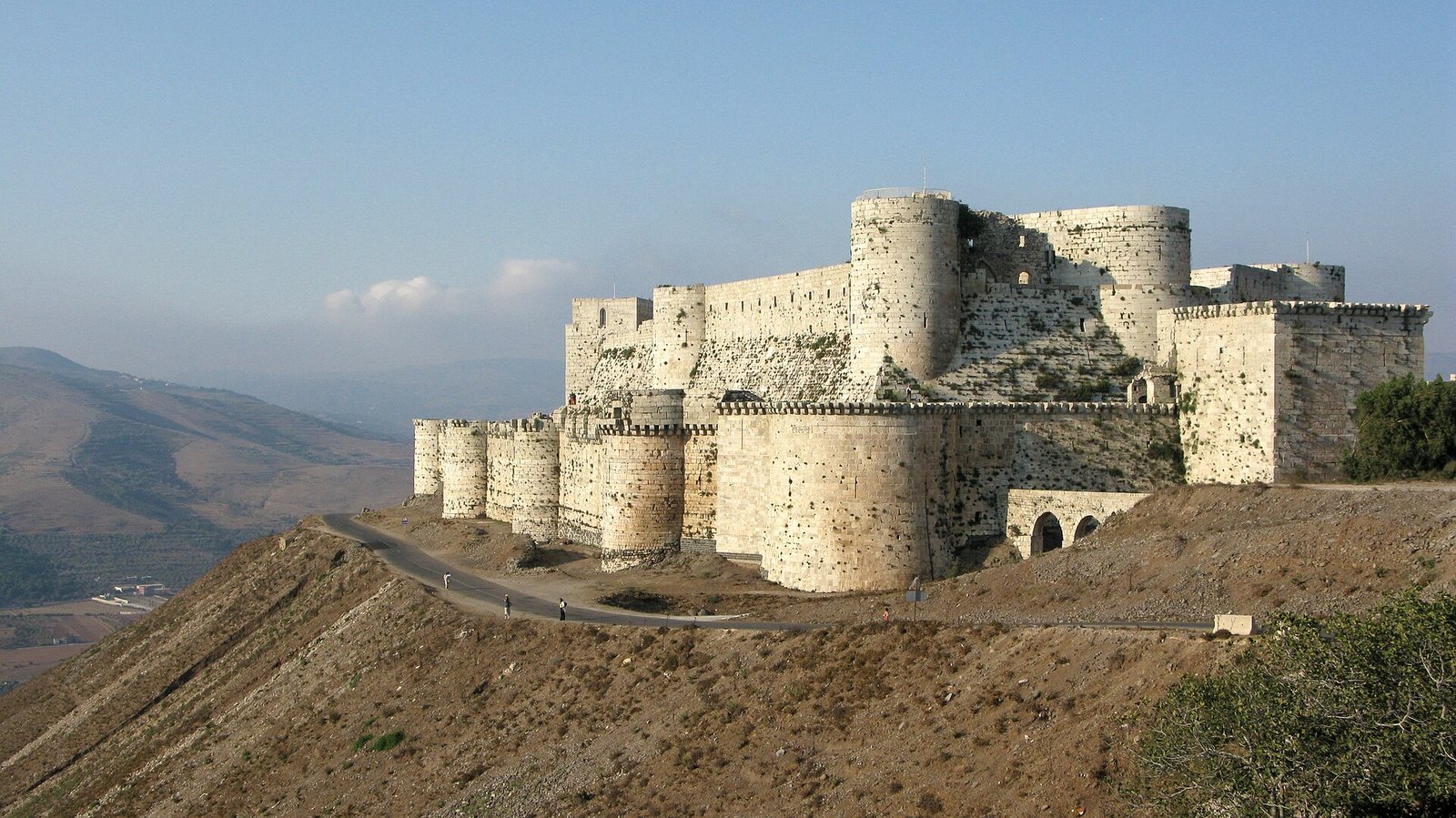
Hama is the traditional base for **Apamea** (Qalaat al Mudiq), a Roman and Byzantine city with a colonnaded main street almost two kilometres long. It was heavily looted during the war and sits in an area that has seen fighting, so check current advice and go with a local guide. **Musyaf Castle**, the stronghold of the medieval Assassins, is about an hour west, and Krak des Chevaliers is about ninety minutes away.
Food
Hama is famous for **halawet el jibn**, soft rolls of sweet cheese dough filled with cream and topped with pistachio and syrup. Several shops on the main streets make it fresh every day. Also try **Hama style kibbeh** and grilled meats. Hama is conservative: alcohol is rarely served and Ramadan is observed closely.
Where to stay
The choice is limited to a handful of city hotels, plus a few simple guesthouses. Many visitors stay one night here or continue to the Valley of the Christians. Confirm your booking directly before arrival.
Getting around
The centre is small and walkable along the river. Taxis are cheap and easy to flag down for longer trips. Buses connect Hama with Damascus, Homs and Aleppo along the M5 highway.
Practical tips
Dress conservatively here, more so than in Damascus: women should cover shoulders, arms and legs, and a headscarf is useful for mosques. Friday is the main day of rest, when many shops close until the afternoon. Carry cash, as cards are rarely accepted. Use the free trip planner to link Hama with Aleppo and Krak des Chevaliers.
A simple day in Hama
Start with breakfast of foul and fresh bread near the main square, then walk down to the river to see the largest norias turning in the morning light. Visit the Azem Palace before the midday heat, have lunch and a plate of halawet el jibn, and rest. In the late afternoon, wander the Kilaniyah lanes and the citadel hill park, then join local families along the river at dusk.
Questions about Hama
Do the norias of Hama still turn?
Several have been restored and turn when the river flow allows. Flow varies with the season and water management upstream.
How long should I stay in Hama?
One night is enough for the norias and the Azem Palace. Stay two if you plan to visit Apamea or Musyaf Castle.
Can I visit Apamea?
Possibly, but it lies in an area that has seen fighting. Check your government's advice first and go only with a reputable local guide.
Is Hama conservative?
Yes. Dress modestly, expect few places serving alcohol and be respectful during prayer times and Ramadan.
Facts checked . Fees, schedules and entry rules change, so always confirm the latest with the official source.