The capital
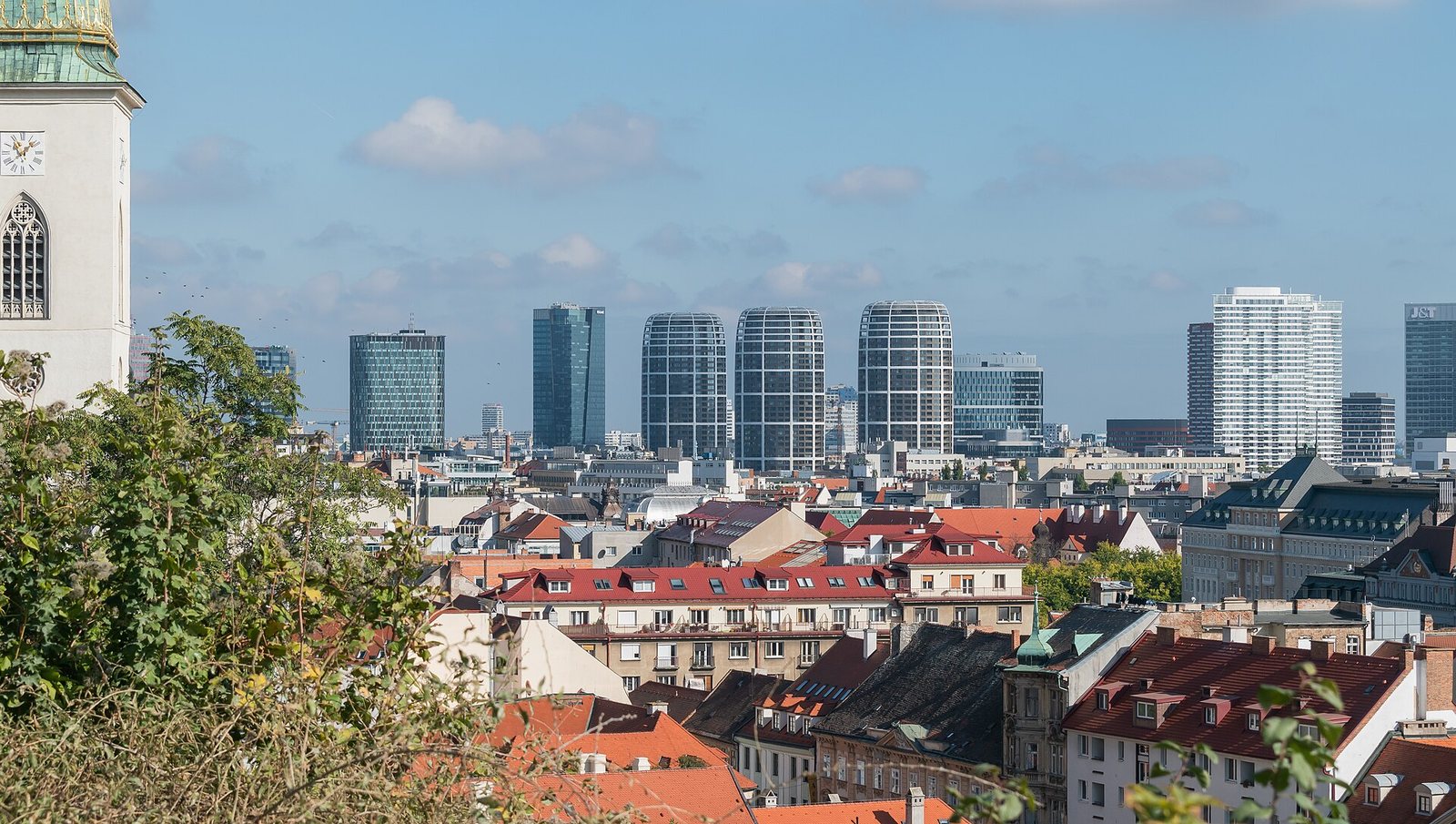
Most trips begin in Bratislava, a compact capital on the Danube with a walkable old town, a hilltop castle and a riverside that feels more relaxed than its famous neighbours. It sits less than an hour from Vienna, so many visitors fly into either city. Give it two nights.
The mountains
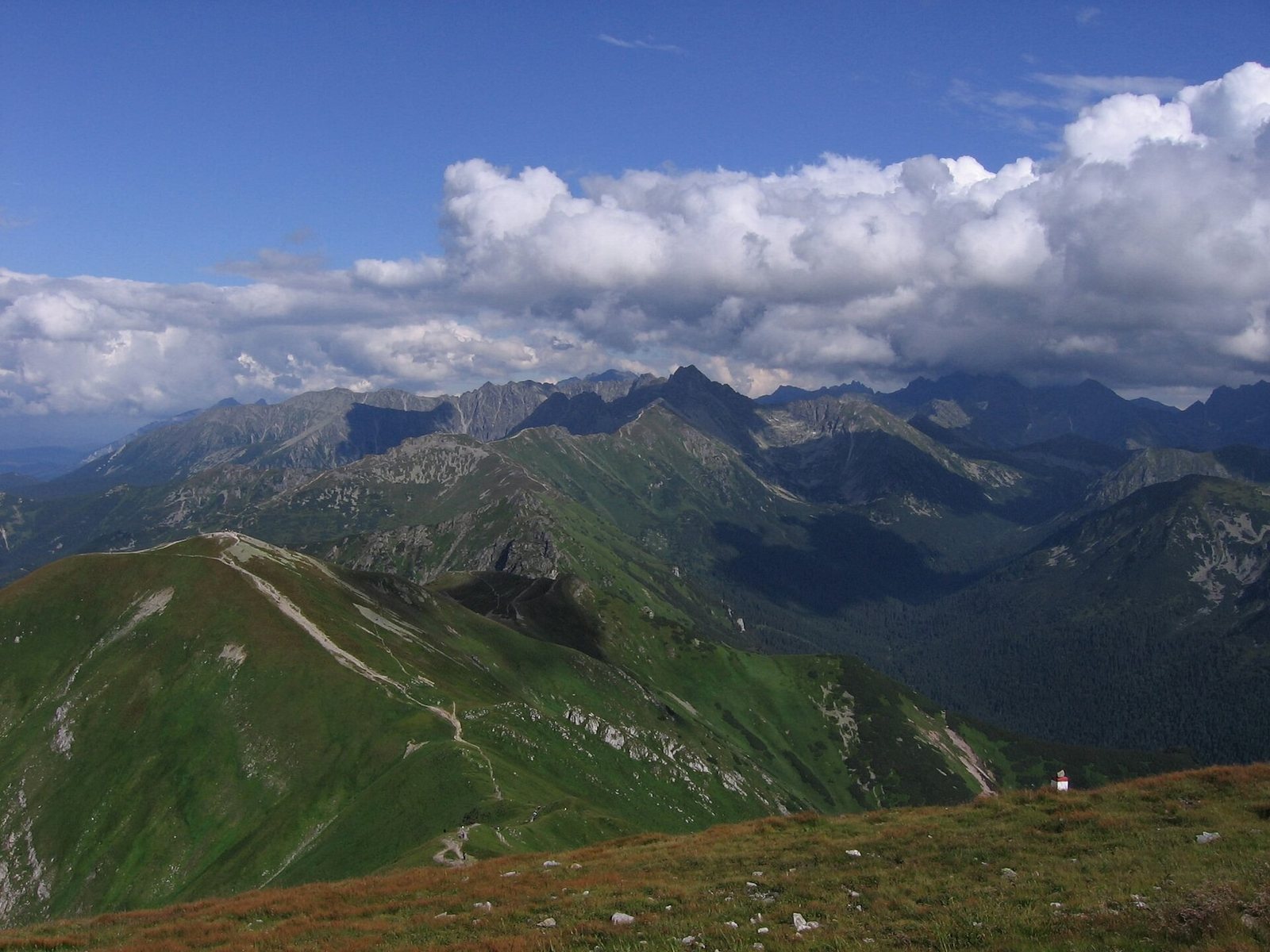
The High Tatras are the smallest alpine range in the world and the heart of Slovak travel: glacial lakes, granite peaks, mountain huts, cable cars and winter ski slopes. Poprad is the gateway, and an electric mountain railway links the resorts of Štrbské Pleso, Starý Smokovec and Tatranská Lomnica.
Central Slovakia
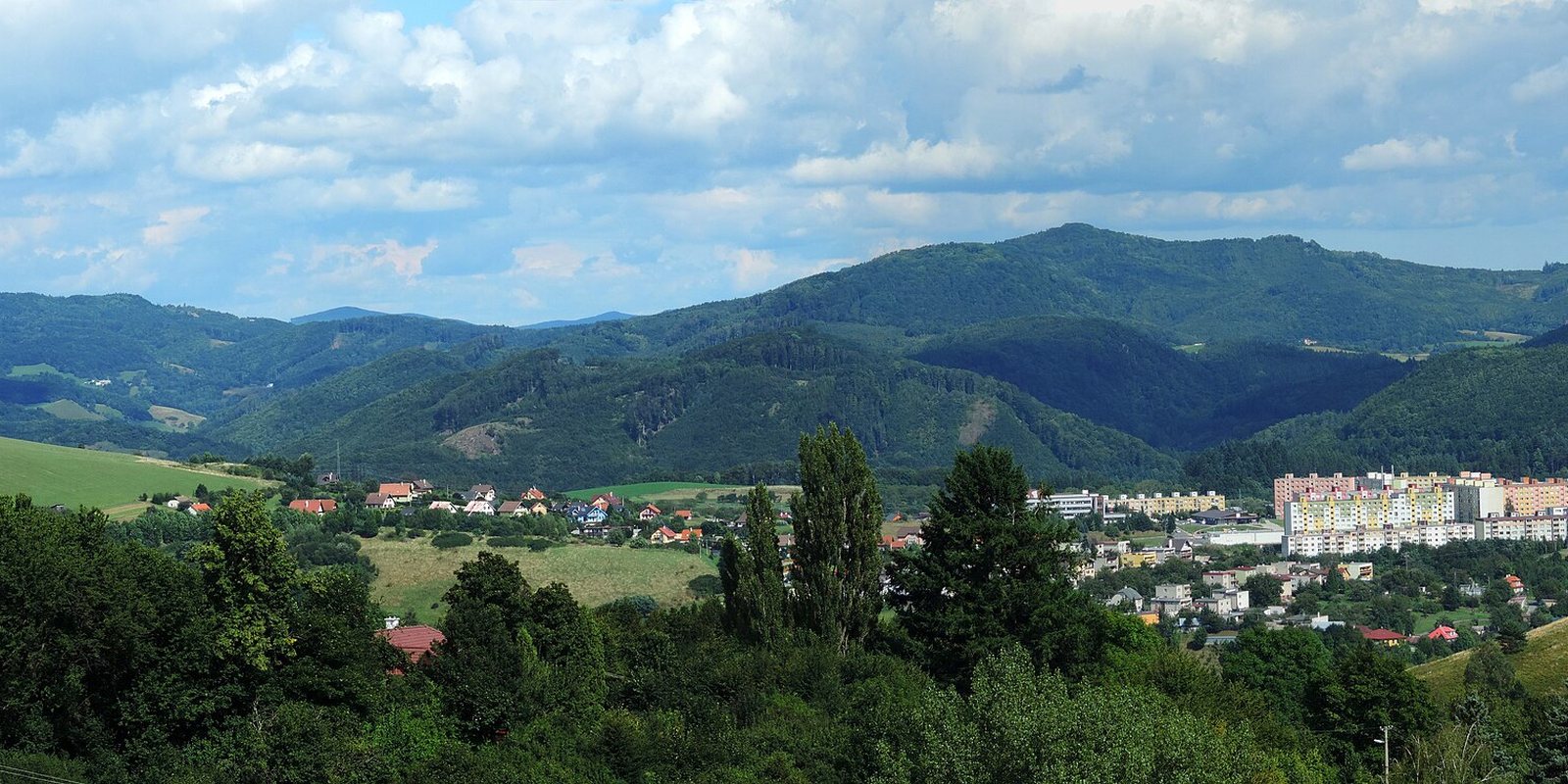
Banská Štiavnica is a former silver mining town built in the crater of an ancient volcano, with two castles, steep lanes and dozens of old mining lakes in the surrounding hills. It is one of the most atmospheric small towns in central Europe and a natural stop between Bratislava and the mountains.
The east
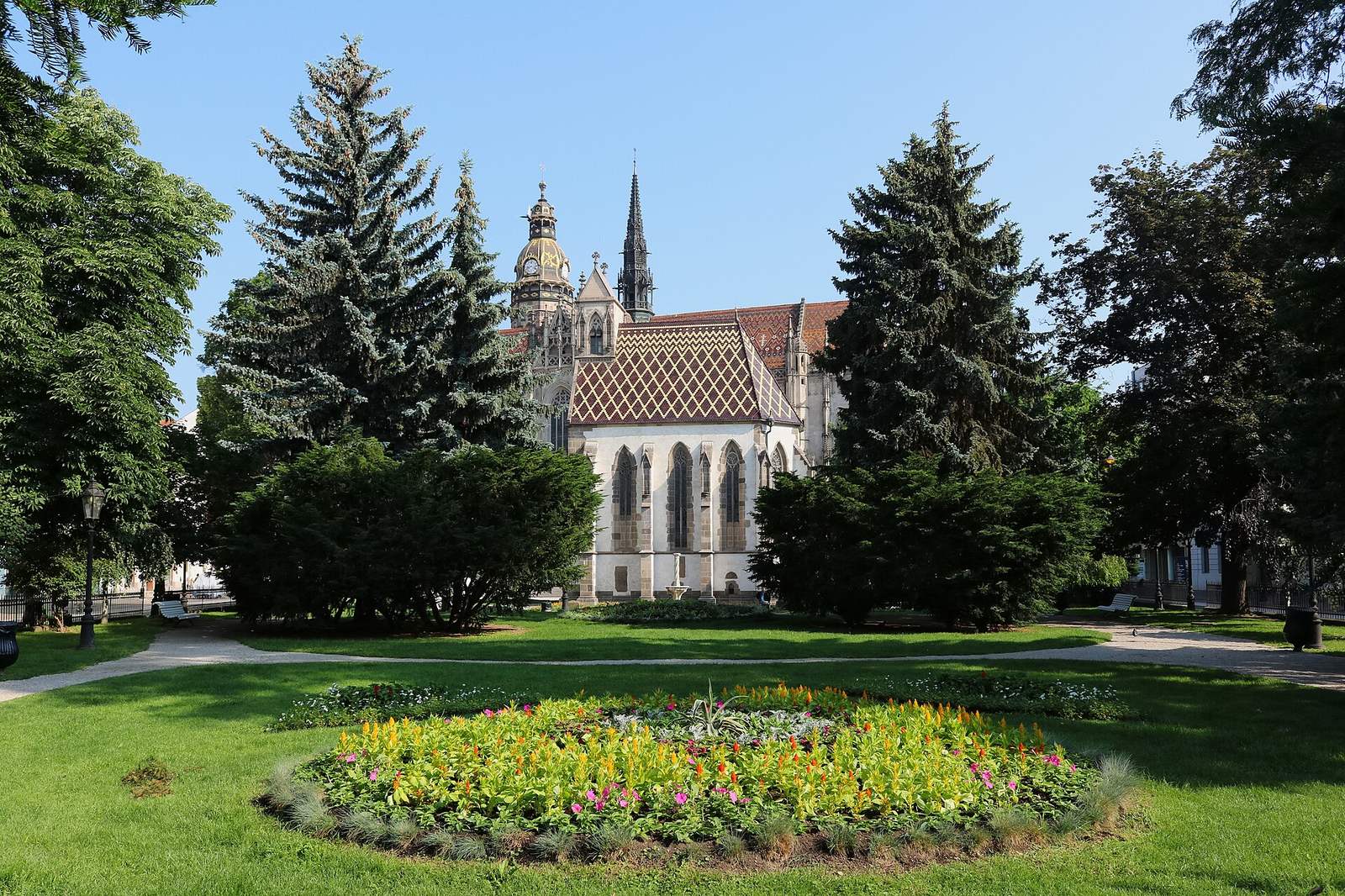
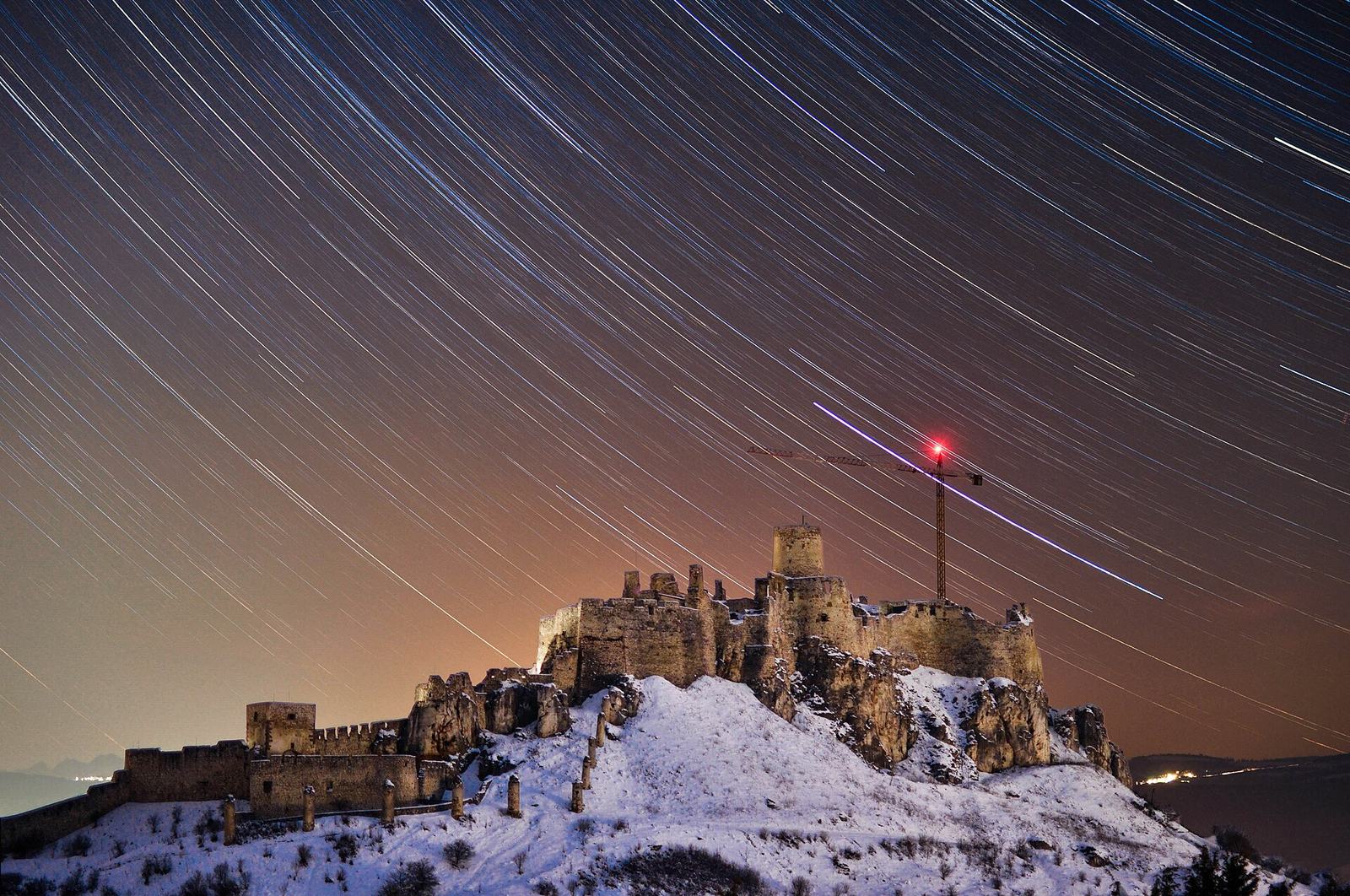
Spiš and the Slovak Paradise combine one of the largest castle ruins in Europe, the walled town of Levoča and a national park of gorges climbed by ladders and chains. Further east, Košice is the second city, with a long main street, a Gothic cathedral and a lively café scene.
How to combine them
For one week, try two nights in Bratislava, one in Banská Štiavnica, two or three in the High Tatras and a final night in Košice, flying out from there or taking the train back west. For ten to twelve days, add a slower stay in Spiš and a hike in the Slovak Paradise. Trains are comfortable and frequent along the main line, while smaller towns rely on buses.
Not sure where to start? Use the free trip planner to shape a route around your dates and interests.