At a glance
- Best for
- Architecture, cafés, culture and day trips to the east
- Airport
- Košice International Airport (KSC), about twenty minutes from the centre
- Time needed
- Two days
- Best season
- May to October, plus December for the Christmas market
- Getting around
- Walking, trams and buses
- Good base for
- Spiš Castle, the Slovak Karst caves, Herľany geyser and the Tokaj wine region
Why go
Košice gets fewer visitors than Bratislava, which is part of its charm. The old town is one of the best preserved in Slovakia, and the main street, **Hlavná ulica**, is almost entirely pedestrian, with parks, fountains and terraces down its centre. It is a real city where people live and meet, not a stage set, and it makes an excellent base for exploring eastern Slovakia.
The essentials
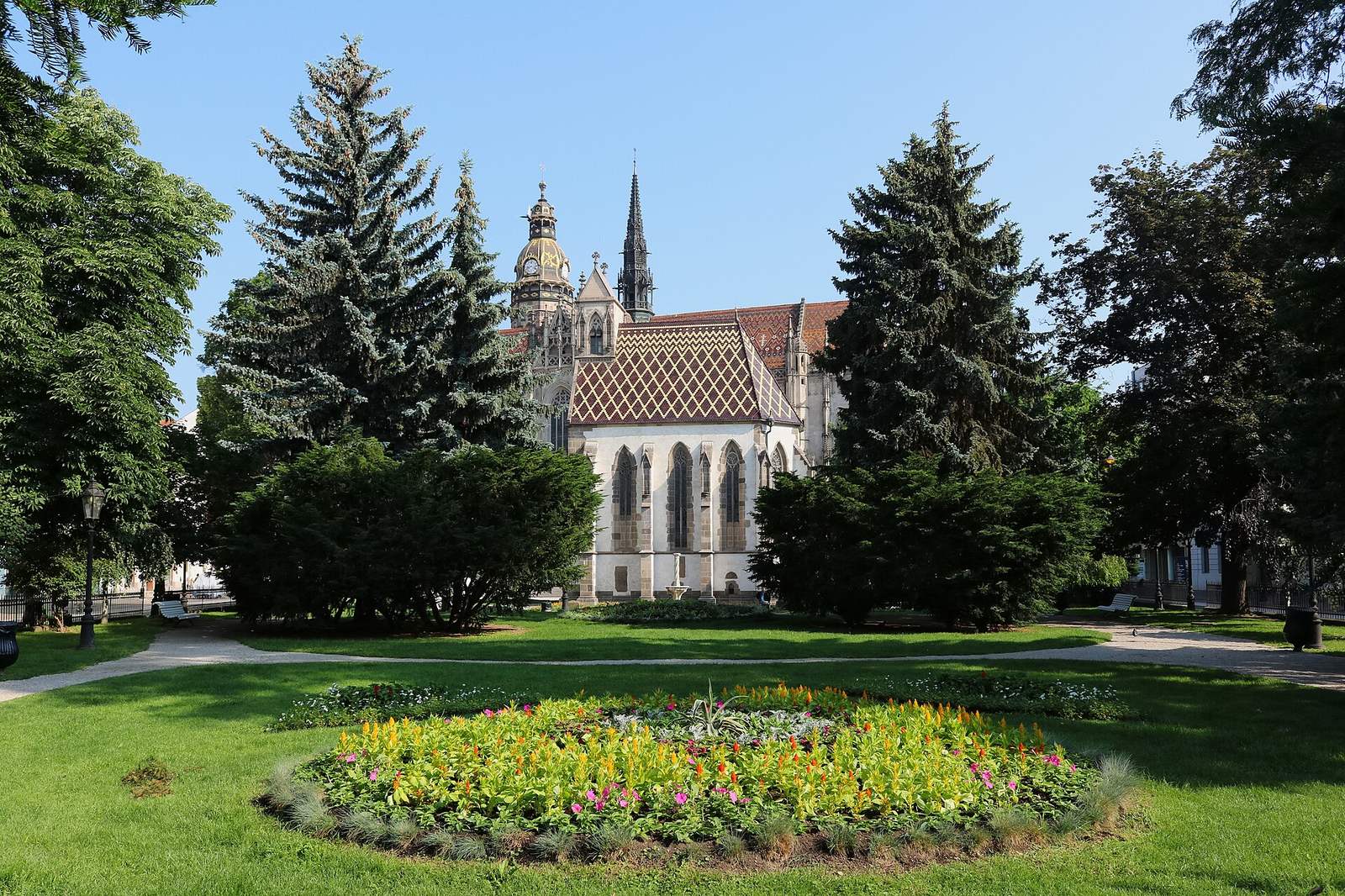
The **St Elisabeth Cathedral** dominates Hlavná. Climb its north tower for views over the rooftops, and look inside for the crypt where the Hungarian freedom fighter Francis II Rákóczi is buried. Beside it stand the **Urban Tower** and the **St Michael's Chapel**. Further along, the **State Theatre** faces the **singing fountain**, which plays music and lights up on summer evenings. Walk the lane called **Hrnčiarska**, the street of crafts, with small workshops in old houses. The **Lower Gate underground museum** shows the medieval foundations beneath the street.
Culture and modern Košice
The Capital of Culture year left lasting venues. **Kasárne Kulturpark**, in old military barracks, hosts exhibitions, concerts and workshops. The **East Slovak Museum** and the **Slovak Technical Museum** are good rainy day options, and the converted swimming pool **Kunsthalle** shows contemporary art. In summer, open air events fill the main street, and the city marathon, one of the oldest in Europe, runs every October.
Food and drink
Eastern Slovak cooking is hearty: try halušky, potato pancakes, sauerkraut soup and pirohy, filled dumplings that show the region's links with Ukraine and Poland. Košice has a lively café culture and several craft breweries. The Tokaj wine region, shared with Hungary, lies just to the southeast, and its sweet and dry whites appear on many local menus.
Day trips
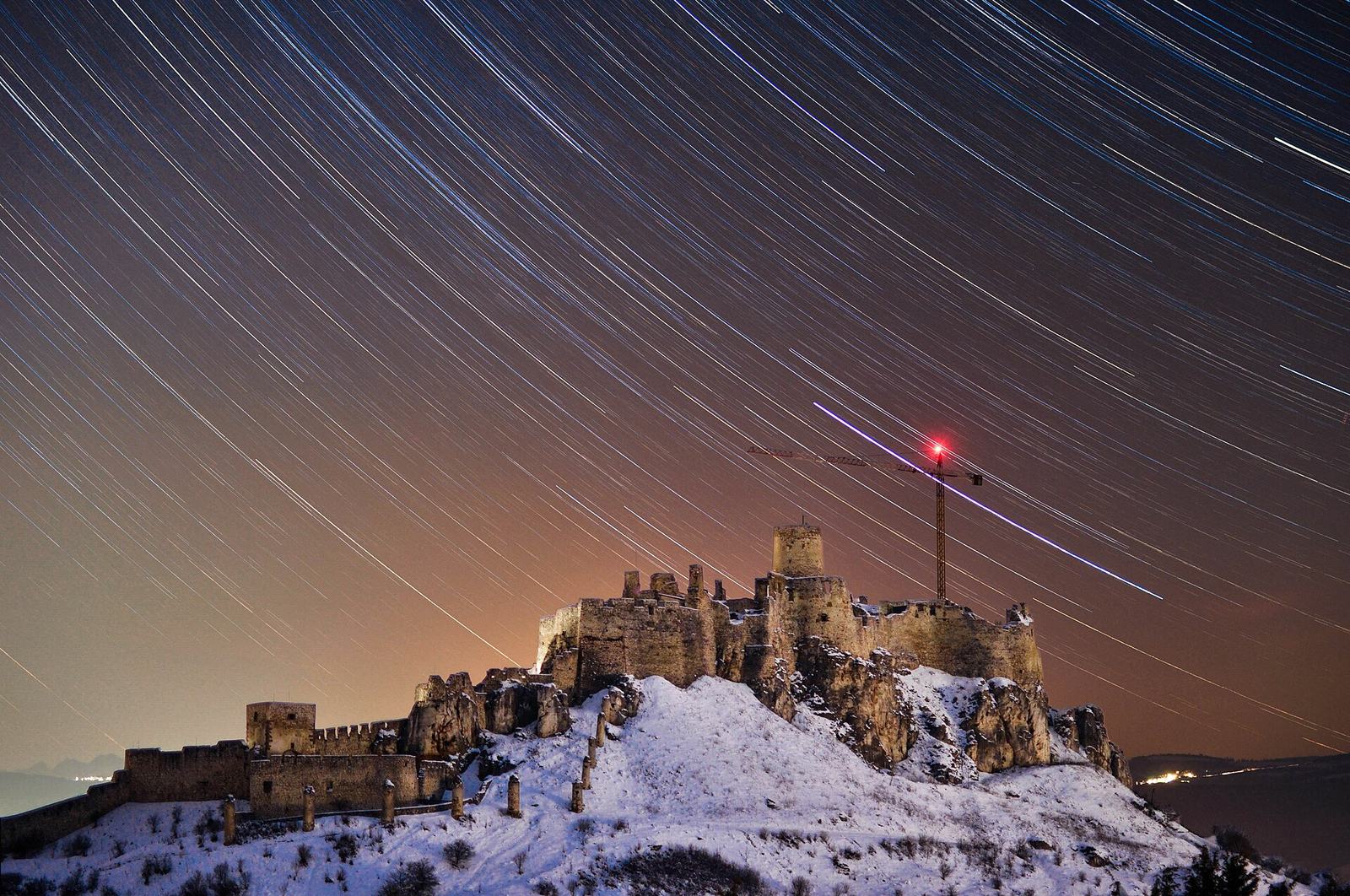
Košice is the gateway to the east. **Spiš Castle** and **Levoča** are about an hour away. The **Slovak Karst** caves, including Domica and Gombasecká, are UNESCO listed and reachable in a day. The **Herľany geyser** erupts roughly every few days, and the wooden churches of the northeast are a longer but rewarding journey. Rural buses are slower, so plan connections carefully.
Where to stay
Stay in the old town or on its edge for easy walking. Hotels and apartments along and just off Hlavná put you close to everything, while the streets near the railway station are convenient for early trains.
Getting there and around
Košice has an international airport with flights to several European hubs, and trains run to Poprad, Bratislava and Budapest, plus some services towards Prague. The old town is walkable, and trams link it with the station and outer districts. Validate tickets on boarding.
How long to stay
Two days is ideal for the old town and one day trip. Stay longer to explore the caves, wooden churches and wine villages of the east.
Tips for visiting
The old town is busiest on summer evenings when terraces fill and the fountain plays, so stroll Hlavná at dusk for the best atmosphere. Many museums close on Mondays, so plan around that. Košice is also a good place to try eastern Slovak specialities you will not find in Bratislava, and a relaxed base if you want to slow down after the mountains.
Questions about Košice
Is Košice worth visiting?
Yes. It has one of the finest old towns in Slovakia, a relaxed atmosphere and far fewer tourists than Bratislava, plus easy day trips to Spiš Castle and the caves.
How do I get from Bratislava to Košice?
Direct trains take around five to six hours, or you can fly. Many travellers break the journey in Banská Štiavnica, the High Tatras or Spiš.
Can I visit Spiš Castle from Košice?
Yes. Spiš Castle is about an hour away by car or bus, and buses and trains also reach Spišské Podhradie and Levoča, though connections are less frequent.
What is the best time to visit Košice?
May to October has the warmest weather, open terraces and the singing fountain. December brings a Christmas market on the main street.
Facts checked . Fees, schedules and entry rules change, so always confirm the latest with the official source.