At a glance
- Best for
- History, mangroves and quiet coast
- Distance
- About an hour north of Doha
- Time needed
- One full day
- Best season
- November to March
- Getting around
- Licensed tours or ride hailing
- Highlights
- Al Zubarah, Al Thakhira, Al Bayt Stadium
Why visit the north
The north is where Qatar's past is easiest to feel. Before oil, people lived from pearling, fishing and trade along this coast, and their forts, villages and carvings still stand. It is also the greenest part of the country, with mangroves that shelter herons, crabs and flamingos in the cooler months. The roads are good and traffic is light.
Al Zubarah
Al Zubarah Archaeological Site is Qatar's first UNESCO World Heritage Site. In the eighteenth century it was one of the most important pearling and trading towns in the Gulf. Today you can see the restored Al Zubarah Fort, built in the twentieth century, and the excavated outlines of the old town. Check opening times on the Qatar Museums site before you set off, and bring water.
Mangroves at Al Thakhira and Purple Island
The mangroves near Al Thakhira and Al Khor are perfect for kayaking. Licensed operators rent kayaks and run guided trips through calm channels. Purple Island, reached on foot across a short causeway near Al Khor, is good for spotting crabs and birds. Go at high tide for the best paddling.
Rock carvings and ghost villages
At Jebel Al Jassasiya, hundreds of carvings of boats, rosettes and cup marks are scratched into low limestone ridges. Their age is still debated. On the north west coast, Al Jumail is an abandoned fishing village of crumbling stone houses and a mosque, and Al Rakiyat Fort stands restored and alone in the desert.
Al Khor
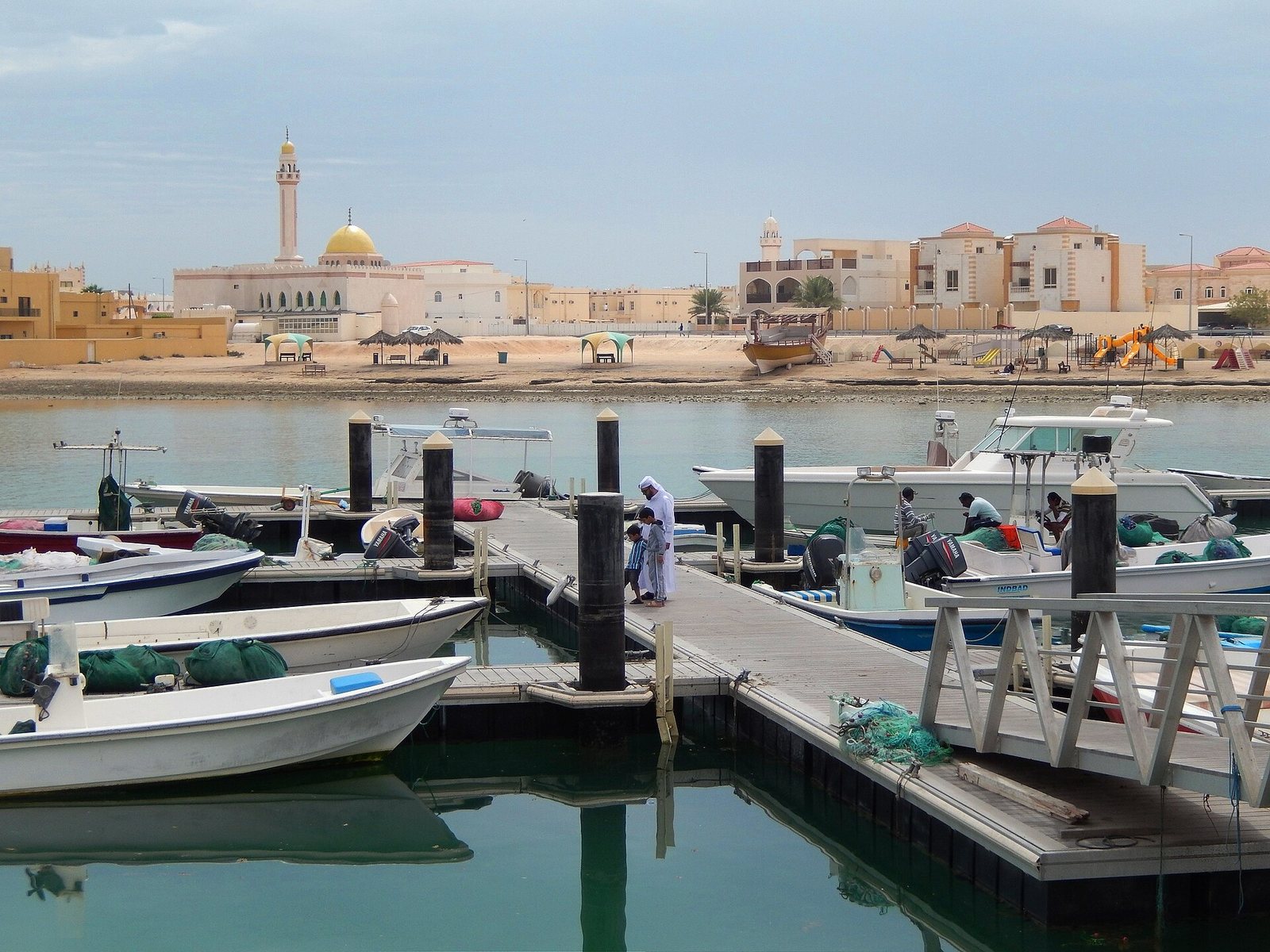
Al Khor is a small coastal town with a corniche, a park and old watchtowers. Nearby, Al Bayt Stadium, built to resemble a traditional Bedouin tent, hosted the opening match of the 2022 World Cup.
Turtles at Fuwairit
From spring into summer, hawksbill turtles nest on beaches around Fuwairit. Parts of the beach may be closed during nesting season to protect them, so follow posted signs.
Planning the day
Distances are manageable, but public transport is limited. Most visitors join a tour or use ride hailing for a full day, starting early to see Al Zubarah before the heat. Pack water and snacks, as services are sparse outside Al Khor.
Respecting the sites
Do not climb on ruins or carvings, take nothing away and dress modestly when visiting villages.
A sample day
Leave Doha early and drive to Al Zubarah first, while it is cool. Continue to Al Jumail and Al Rakiyat Fort on the north west coast, then cross to the east for a picnic and a kayak at Al Thakhira at high tide. Finish at Al Khor's corniche and, if you have time, stop at Al Bayt Stadium on the way back to Doha. It is a long, satisfying day.
Wildlife
Winter brings migratory birds to the mangroves and shallows, including flamingos, herons and cormorants. Bring binoculars if you have them, keep your distance and stay quiet. Dugongs live in the waters off the north west coast, although sightings from shore are rare.
Facilities
Toilets, shops and fuel stations are fewer outside Al Khor, so plan stops. Phone signal is generally good on the main roads.
Questions about Al Khor and the north
How far is Al Zubarah from Doha?
Around an hour to an hour and a half by road, depending on traffic.
Can I kayak in the mangroves?
Yes. Licensed operators near Al Thakhira and Al Khor rent kayaks and run guided trips, best at high tide.
Is there public transport to the north?
Options are limited. Most visitors book a tour or use ride hailing for the day.
When do turtles nest in Qatar?
Hawksbill turtles nest from spring into summer. Some beaches close to protect them, so follow official signs.
Is north Qatar worth a day trip?
Yes, especially if you like history, nature and quiet places. It shows a side of Qatar most stopover visitors never see.
Facts checked . Fees, schedules and entry rules change, so always confirm the latest with the official source.