At a glance
- Best for
- Souqs, museums, food and city life
- Airport
- Hamad International Airport (DOH)
- Time needed
- Two to three days
- Best season
- November to March
- Getting around
- Doha Metro, ride hailing apps and taxis
- Dress
- Modest in the souq, malls and mosques
Why visit Doha
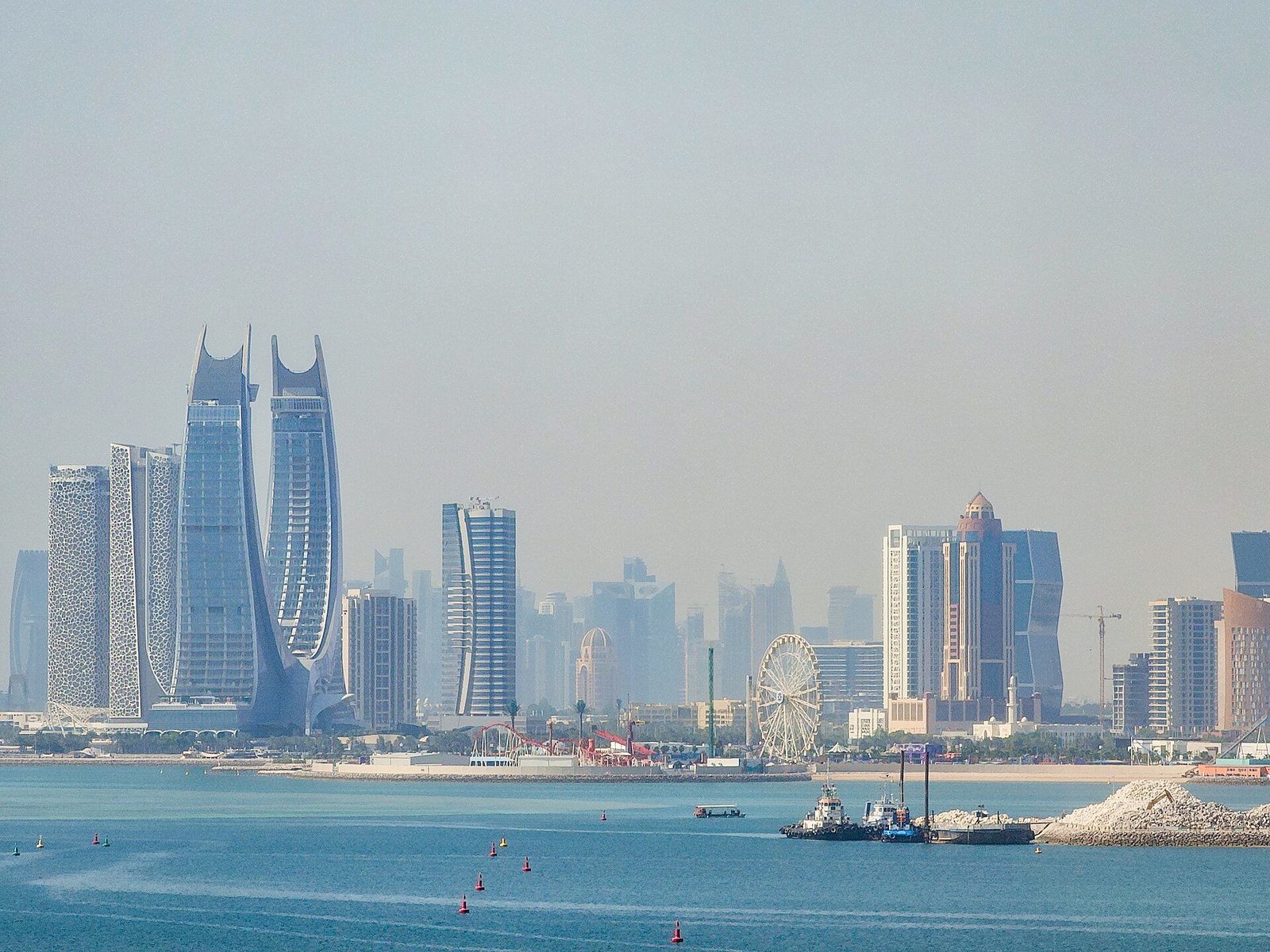
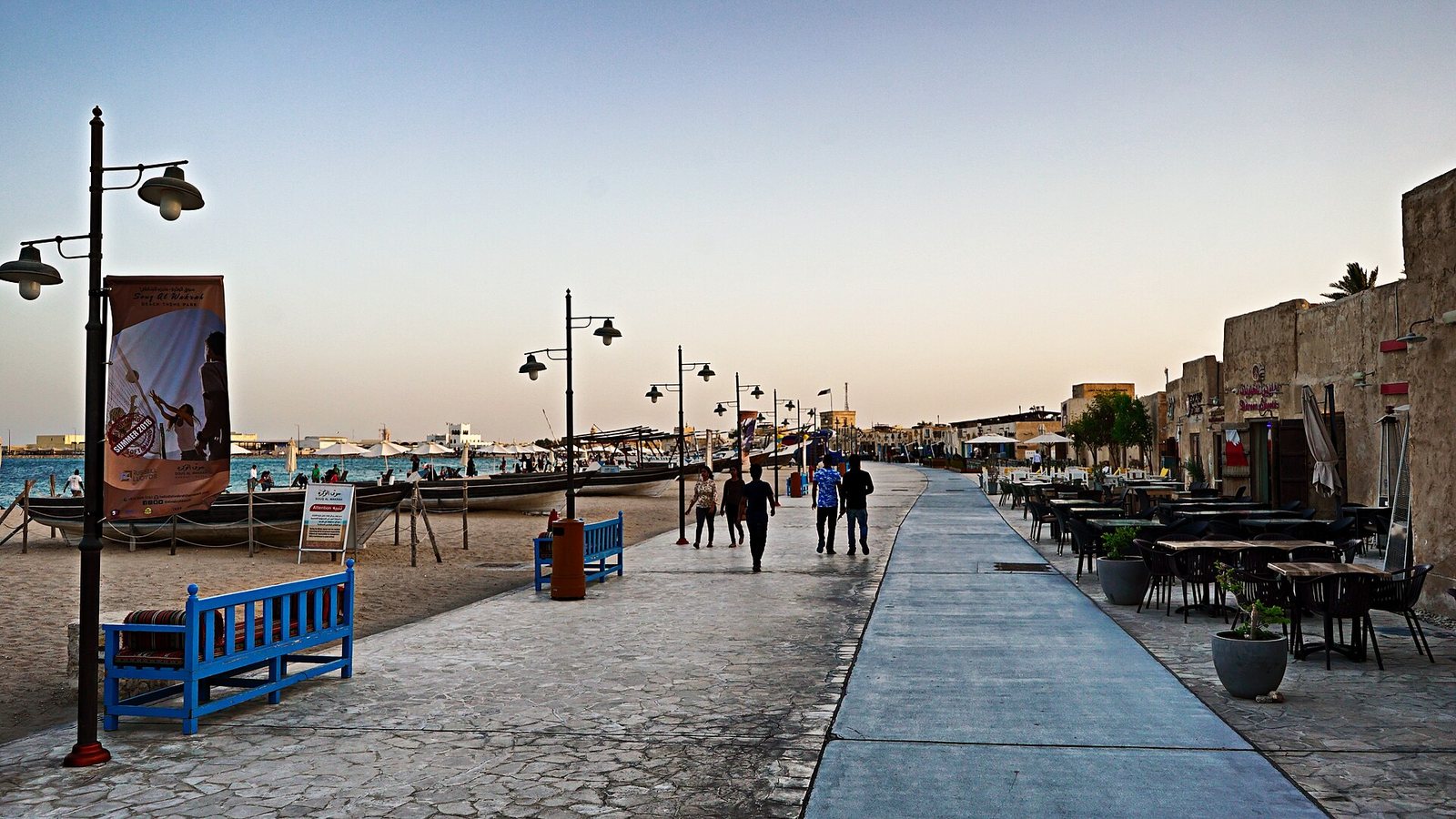
Doha grew from a small pearling and fishing settlement into one of the fastest changing cities on earth. What makes it special for visitors is the way old and new sit side by side: a restored souq a short walk from a museum by I. M. Pei, a heritage quarter rebuilt as a modern district, and a waterfront where wooden dhows still bob in front of glass towers. It also has some of the most ambitious museums in the region.
Souq Waqif and old Doha
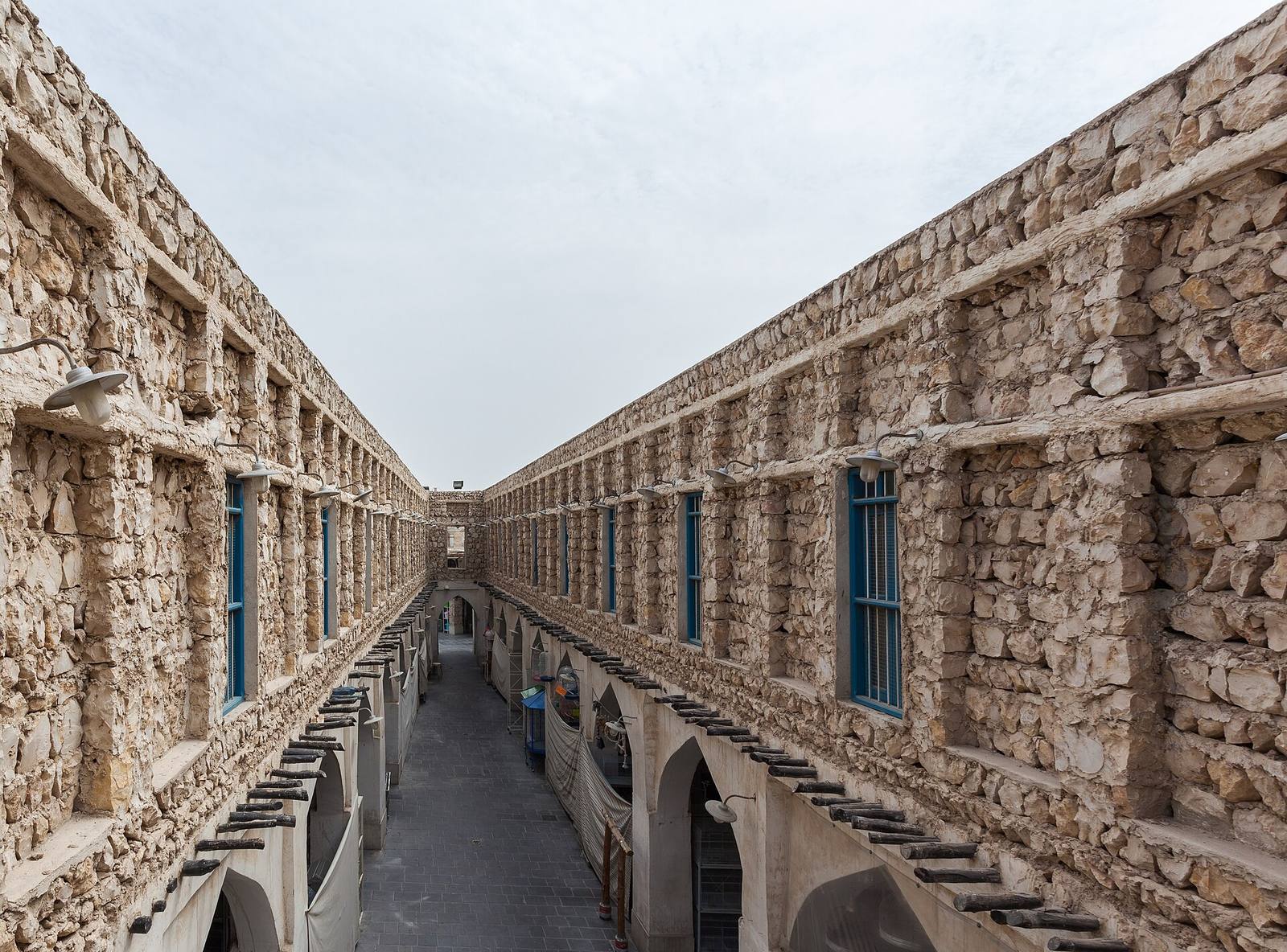
Start at Souq Waqif, rebuilt in the old style with mud rendered walls and wooden beams. Lanes are grouped by trade: spices, perfumes and oud, textiles, pets and birds. The Falcon Souq and the falcon hospital show how central falconry remains. Evenings are the best time, when the restaurants spill out onto the main walkway and families stroll. Al Koot Fort sits on the edge of the souq, and the Gold Souq is just across the road.
The museums
The Museum of Islamic Art sits on its own island off the Corniche, its galleries holding ceramics, manuscripts, metalwork and textiles from Spain to Central Asia. MIA Park beside it is the classic spot for the skyline at sunset. Further along the Corniche, the National Museum of Qatar is built from interlocking discs inspired by the desert rose crystal and tells the country's story with immersive films. Many visitors spend half a day in each. Check opening days on the Qatar Museums website, as hours vary by season.
Msheireb, Katara and The Pearl
Msheireb Downtown is a rebuilt district beside the souq with shaded lanes, cafés and the Msheireb Museums, four restored houses that tell personal stories of Qatari life. Katara Cultural Village, north of West Bay, mixes an amphitheatre, galleries, a beach and the much photographed pigeon towers. The Pearl is an artificial island of marinas, from the Porto Arabia boardwalk to the colourful canals of Qanat Quartier.
Food
Eat Qatari dishes like machboos, harees and balaleet at souq cafés, Persian and Syrian food under the souq lanterns, and karak tea with chapati at any hour. For special evenings, the museum restaurants and hotel dining rooms in West Bay are the city's showpieces. Alcohol is served only in licensed hotel bars and restaurants.
Where to stay
Stay around Souq Waqif and Msheireb for character and walking distance to the museums. West Bay suits business travellers and beach lovers, with big hotels along the sea. The Pearl and Katara offer apartment style stays and marina views. All three areas connect well by metro or ride hailing.
Getting around
The Doha Metro links the airport, the souq, Msheireb, West Bay, Katara and Education City. Ride hailing apps and metered taxis cover the rest. Walking is pleasant in the cooler months but tiring in summer heat.
Education City and Aspire
West of the centre, Education City holds the Qatar National Library, a striking open plan building by OMA, along with Mathaf, the Arab Museum of Modern Art, and the Education City Mosque on its slender pillars. Nearby Aspire Park is the city's biggest green space and a favourite with families on cool evenings, while the 3 2 1 Qatar Olympic and Sports Museum sits beside Khalifa International Stadium.
Etiquette and timing
Friday mornings are quiet, as many places open only after midday prayers. During Ramadan, eat and drink discreetly in public during daylight, and enjoy the lively evenings after iftar. Ask before photographing people, especially women.
Questions about Doha
How many days do I need in Doha?
Two days covers the souq, both main museums and the Corniche. Three days adds Katara, The Pearl and Education City.
Is Doha walkable?
The souq, Msheireb and the Corniche are walkable in the cooler months. In summer, use the metro and short taxi rides between air conditioned stops.
Is Doha good for a stopover?
Yes. The metro runs from the airport to the centre, and the souq and museums fit into a day. Check entry rules for your passport first.
What should I wear in Doha?
Cover shoulders and knees in public places such as the souq, malls and museums. Women need a headscarf only inside mosques.
Is Doha expensive?
Hotels and hotel dining are mid-range to high end, but souq meals, karak tea and the metro are good value. See our costs advice and plan with the trip planner.
Facts checked . Fees, schedules and entry rules change, so always confirm the latest with the official source.