At a glance
- Best for
- History, food, museums and nightlife
- Airport
- Ninoy Aquino International Airport (MNL)
- Time needed
- Two to three days
- Best season
- December to April
- Language
- Filipino and English
- Getting around
- Grab, taxis, LRT and MRT trains, jeepneys
Why go
Manila rewards people who give it time. Inside the old walls of Intramuros you walk among Spanish era churches, forts and cobbled lanes. Across the Pasig River, Binondo, founded in 1594, is the oldest Chinatown in the world and one of the best places to eat in Asia. The National Museum complex holds the country's greatest art and natural history collections, and Manila Bay delivers sunsets locals have loved for generations. In the business districts of Makati and Bonifacio Global City you find rooftop bars, food halls and some of the best restaurants in the region.
Intramuros and Ermita
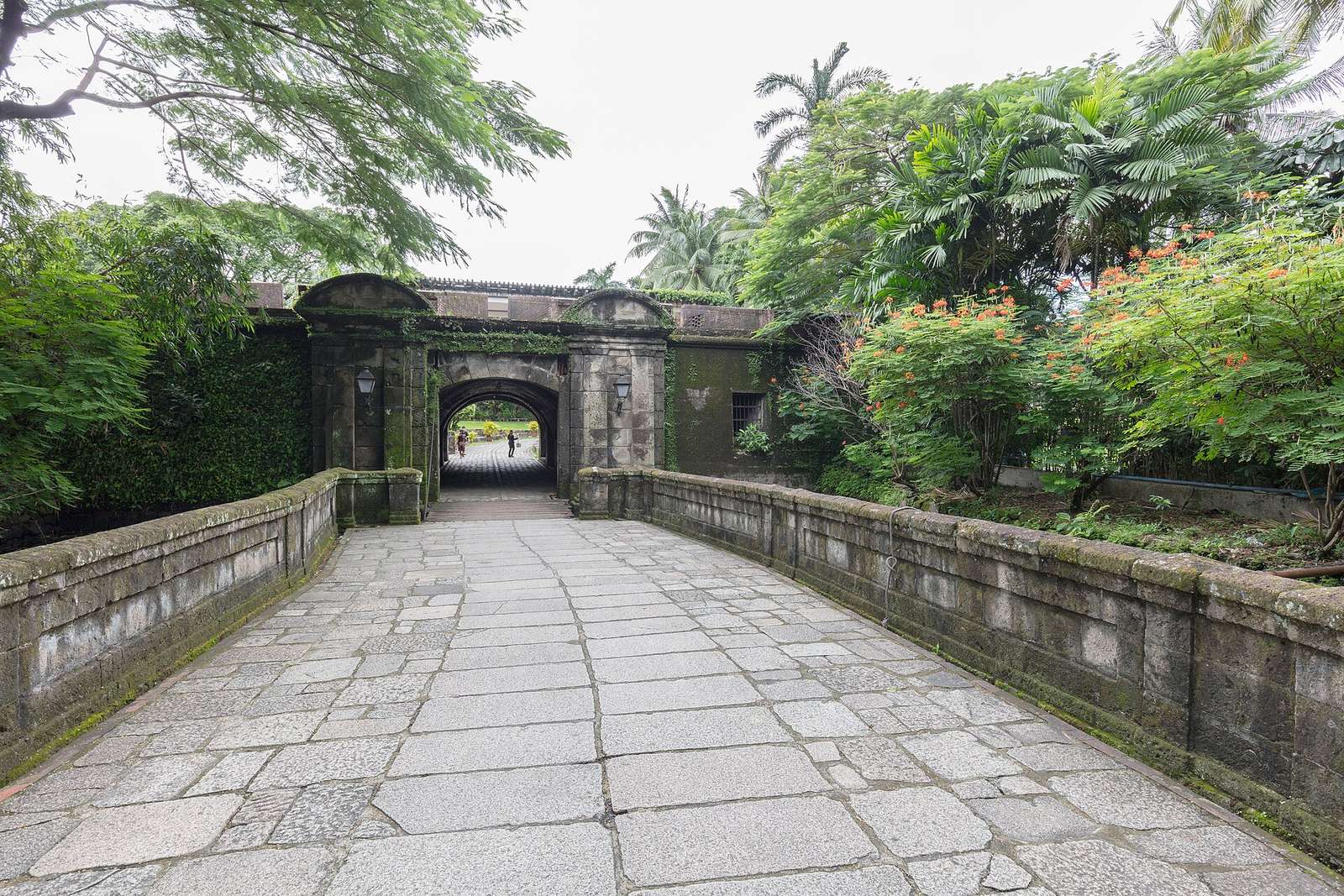
Start in Intramuros, the walled city built by Spain from the late sixteenth century. Fort Santiago guards the mouth of the Pasig and holds a shrine to José Rizal, the national hero, who was held here before his execution in 1896. San Agustin Church, completed in 1607, survived earthquakes and the Second World War and is part of the Baroque Churches of the Philippines World Heritage listing. Casa Manila recreates a colonial mansion. Walk the ramparts, or join a bamboo bike tour.
Next door in Ermita, Rizal Park leads to the National Museum of Fine Arts, home to Juan Luna's huge Spoliarium, and the National Museum of Anthropology and Natural History. Entry to the national museums has long been free, but check the official site for opening days and booking.
Binondo and Quiapo
Binondo is a food walk waiting to happen: dumplings, fried siopao, hopia pastries, roast duck and Chinese Filipino noodle houses line Ongpin Street and the alleys around it. Next door, Quiapo Church is home to the Black Nazarene, whose January feast draws millions of devotees. The markets under Quezon Bridge are chaotic and fascinating, but keep valuables close.
Makati, BGC and Poblacion
Makati is the financial heart, with Ayala Museum, Greenbelt mall and the weekend Salcedo and Legazpi markets. Poblacion, its old town, is now the liveliest nightlife area, full of small bars and late night food. Bonifacio Global City, known as BGC, is walkable, green and modern, with many of the city's best restaurants.
Where to stay
First-timers do well in Makati or BGC for safety, walkability and good restaurants, with easy rides to the airport. Ermita and Malate put you near Intramuros and the bay but feel grittier at night. The Manila Hotel, near Rizal Park, is the historic choice. Near the airport, Pasay and the Entertainment City resorts suit short layovers.
Getting around
Traffic is famously heavy, so plan one area per day. Grab is the easiest way to get around and shows the fare before you ride. The LRT and MRT trains are cheap but crowded at rush hour. Jeepneys, the colourful shared vans, are a fun short ride once you know the route. The Pasig River Ferry is a scenic way between some districts. Ninoy Aquino International Airport has several terminals that are not walkable from each other, so check which one your airline uses.
Staying safe
Manila is safe for most visitors who take normal city care. Watch for pickpockets on trains and in Quiapo and Divisoria, use Grab or metered taxis rather than street offers, and be wary of friendly strangers who invite you for drinks or a card game. Read your government's travel advice before you go.
Questions about Manila
Is Manila worth visiting?
Yes, for a day or two. Intramuros, Binondo's food and the National Museum give you the history and flavour of the country before you head to the islands.
Where should I stay in Manila?
Makati or Bonifacio Global City suit most first-timers, with safe streets, good food and easy airport rides. Ermita and Malate are closer to the historic sights.
How do I get from the airport into Manila?
Use Grab or the official airport taxis from the arrivals area. Allow plenty of time, as traffic can make a short distance take over an hour.
Is Manila safe at night?
Makati, BGC and the hotel areas are lively and generally safe at night. Use ride apps rather than walking long distances, and keep your phone out of sight on busy streets.
Facts checked . Fees, schedules and entry rules change, so always confirm the latest with the official source.