At a glance
- Best for
- Food, museums, colonial architecture and ocean sunsets
- Main airport
- Jorge Chávez International (LIM), in Callao
- Time needed
- Two to three days
- Climate
- Mild and dry, grey and misty from about June to October
- Getting around
- Ride-hailing apps, registered taxis, the Metropolitano bus and walking
- Good base for
- Paracas, the Ballestas Islands, Pachacamac and Caral
Why go
Lima is the place to understand Peru's cooking, from street stalls to tasting menus. It also holds treasures from every era: adobe pyramids built long before the Incas, baroque churches from the Spanish viceroyalty and a creative bohemian quarter by the sea. Because it is at sea level, it is also the easiest place to rest after a long flight.
Getting your bearings
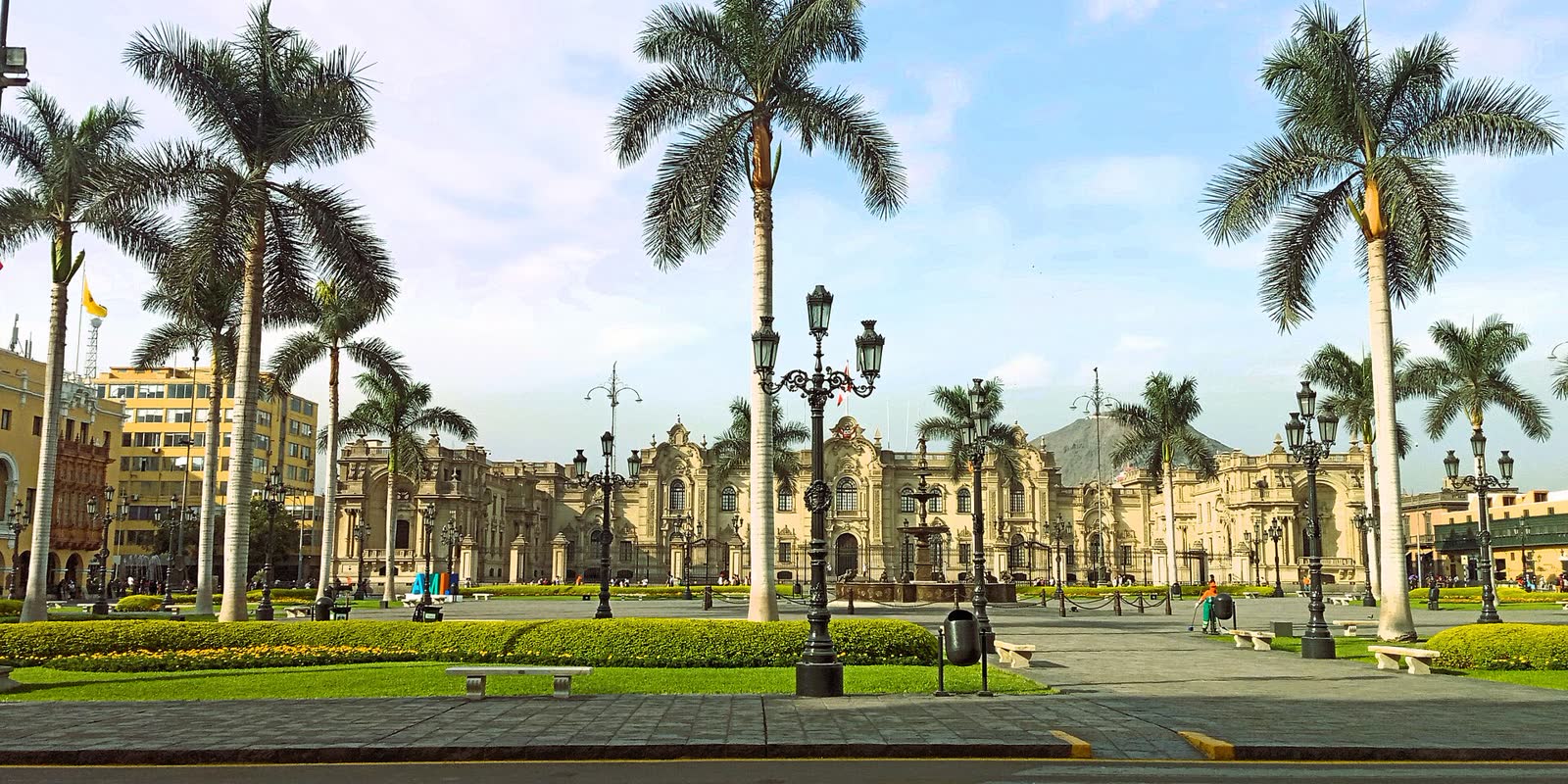
The city is huge, but visitors mostly use three areas. **Miraflores** is the modern seaside district, with the clifftop **Malecón** walkway, parks, hotels and restaurants. Next door, **Barranco** is the arty, bohemian neighbourhood of colourful mansions, murals, bars and the **Puente de los Suspiros** bridge. The **historic centre**, a UNESCO World Heritage Site, is about half an hour north by road around the **Plaza Mayor**, with the cathedral, the Government Palace and the **San Francisco Monastery** with its catacombs. **San Isidro** is the business district, with an ancient olive grove park.
What to do
Walk or cycle the Malecón from Miraflores to Barranco and watch paragliders launch from the cliffs. Visit **Huaca Pucllana**, an adobe pyramid right in the middle of Miraflores, and the **Larco Museum** in Pueblo Libre for pre Columbian ceramics, gold and textiles in a colonial mansion. In Barranco, the **MATE** photography museum and **MAC Lima** show contemporary work. In the centre, see the changing of the guard at the Government Palace and the **Casa de Aliaga**, one of the oldest family houses in the Americas.
In the evening, the **Magic Water Circuit** in the Parque de la Reserva puts on a fountain and light show that children love.
Food and drink
Eat ceviche at lunchtime, the way Limeños do, since fish is freshest early. Try **causa**, **lomo saltado**, **anticuchos** (grilled heart skewers) and **ají de gallina**, and look for chifa, the Peruvian Chinese cooking born in Lima's Chinatown near the central market. Sip a pisco sour in a historic bar, and visit **Mercado de Surquillo** for tropical fruit and lunch counters. For a special night, Lima's tasting menu restaurants book up weeks ahead.
Day trips
**Pachacamac**, an hour south, is a vast pre Inca sanctuary with a modern site museum. **Caral**, further north, is one of the oldest cities in the Americas. Many people head south to **Paracas** for the Ballestas Islands boat trip and the desert reserve, either as a long day or an overnight stay.
Safety
Most visitors stay safely in Miraflores, Barranco and San Isidro, but bag snatching and phone theft happen, including from cars stopped in traffic. Use ride-hailing apps or taxis booked by your hotel, keep phones out of sight on the street and visit the historic centre by day. Read your government's current travel advice for areas to avoid.
Where to stay
Miraflores is the easiest first base, close to the sea, restaurants and the airport road. Barranco suits people who want nightlife and character. San Isidro is quieter and businesslike.
Questions about Lima
How many days do I need in Lima?
Two to three days is ideal: one for the historic centre, one for Miraflores, Barranco and the Larco Museum, and an extra one for food or a day trip to Pachacamac.
Where is the best area to stay in Lima?
Miraflores is the most popular for first-timers because it is walkable, close to the sea and full of restaurants. Barranco is more bohemian, and San Isidro is quieter.
Is Lima safe for tourists?
Most visitors have no problems in the main tourist districts, but theft is common. Use app or hotel booked taxis, keep your phone hidden on the street and check your government's travel advice.
Why is Lima grey?
From about June to October a sea mist called the garúa covers the city, keeping it cool and overcast. From December to April it is sunny and warm, and beaches fill up.
Facts checked . Fees, schedules and entry rules change, so always confirm the latest with the official source.