At a glance
- Best for
- Colonial architecture, regional food, condors and trekking
- Main airport
- Rodríguez Ballón (AQP)
- Altitude
- About 2,300 metres in the city, 3,500 in Chivay, over 4,800 on the pass
- Time needed
- Two days in the city, two to three for Colca
- Getting around
- Walking and taxis in the city, tours or buses to Colca
- Good base for
- The Colca Canyon, El Misti and Cotahuasi
Why go
Arequipa feels different from the rest of Peru: proud, sunny and elegant, with its own way of cooking and speaking. At about 2,300 metres it is also an excellent halfway step for your body between the coast and the high Andes, before you go on to Colca, Puno or Cusco.
Getting your bearings
The **Plaza de Armas** is one of the finest in South America, lined with arcades and the long white **Cathedral**, with volcanoes behind. A few blocks north, the **Santa Catalina Monastery** is a walled city within the city, a maze of painted streets, courtyards and cells where nuns lived in seclusion for centuries. Across the river, the district of **Yanahuara** has a viewpoint with sillar arches framing El Misti. The **San Camilo Market** is the place for fruit, cheese and juices.
What to do
Spend a long morning at Santa Catalina, then visit the **Museo Santuarios Andinos**, home to Juanita, an Inca child offering found frozen on the summit of Ampato volcano. See the carved façade of **La Compañía** church and its cloisters, and the colonial mansion **Casa del Moral**. Take a walk out to the **Mundo Alpaca** centre or the **Sabandía** mill in the countryside. Fit, acclimatised climbers can tackle **El Misti** or **Chachani** with a licensed guide.
Food and drink
Arequipa is famous for its **picanterías**, traditional lunchtime restaurants serving **rocoto relleno** (stuffed hot pepper), **chupe de camarones** (river shrimp chowder), **adobo** on Sundays and **queso helado**, a cinnamon ice cream sold in the plazas. Wash it down with **chicha de jora**, a fermented corn drink.
The Colca Canyon
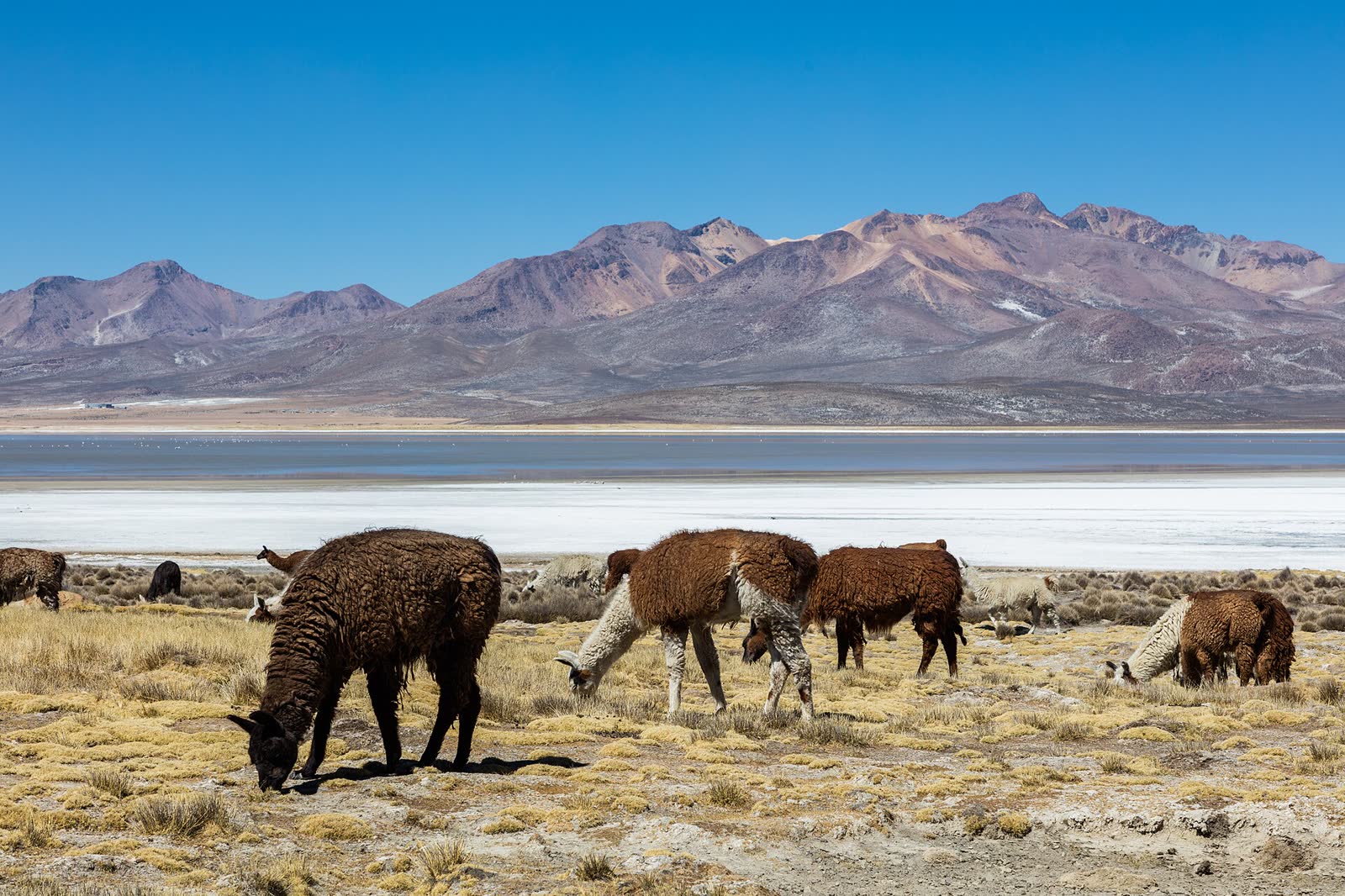
Colca is one of the deepest canyons in the world. The road from Arequipa climbs over a high pass, often above 4,800 metres, with vicuñas grazing beside the road, before dropping to **Chivay**, a market town with hot springs. Along the canyon, villages such as **Yanque**, **Maca** and **Cabanaconde** have colonial churches and pre Inca terraces. At the **Cruz del Cóndor** viewpoint, condors rise on the morning thermals, usually best between about eight and ten in the morning and most reliable in the dry season.
Tours run as long day trips or two day trips with a night in Chivay. Hikers can descend from Cabanaconde to the **Sangalle oasis** at the bottom of the canyon, a hard climb back up.
Getting there
Arequipa has direct flights from Lima and Cusco, and comfortable long distance buses run along the Panamericana from Lima and up from the coast. Buses also link the city with Puno and Chivay, taking several hours across the high plateau.
Safety and health
Arequipa is one of Peru's calmer cities, but normal care with bags and taxis applies. The Colca pass is very high, so drink water and take it slowly if you come straight from the coast.
Where to stay
Stay in or near the historic centre for walking access, or in Yanahuara and Selva Alegre for quieter streets. In Colca, Chivay is practical, while Yanque has lodges with canyon views and hot springs.
Questions about Arequipa and the Colca Canyon
How many days do I need in Arequipa?
Two days covers the city, and two to three more days lets you see the Colca Canyon properly, ideally with one night there.
Can I see the Colca Canyon in a day?
Yes, but it is a very long day with a very early start and a high pass. A two day trip with a night in Chivay or Yanque is much more comfortable.
When is the best time to see condors?
Early to mid morning at the Cruz del Cóndor viewpoint, ideally in the dry season from around May to December. Sightings are likely but never guaranteed.
Is Arequipa a good place to acclimatise?
Yes. At about 2,300 metres it is a sensible middle step between the coast and the high Andes around Colca, Puno and Cusco.
Facts checked . Fees, schedules and entry rules change, so always confirm the latest with the official source.