At a glance
- Best for
- Island culture, homestays, festivals and big skies
- Nearest airport
- Inca Manco Cápac (JUL) in Juliaca, about an hour away
- Altitude
- About 3,800 metres
- Time needed
- Two to three days
- Getting around
- Boats to the islands, taxis and colectivos on land
- Good base for
- Uros, Taquile, Amantaní, Sillustani and Bolivia
Why go
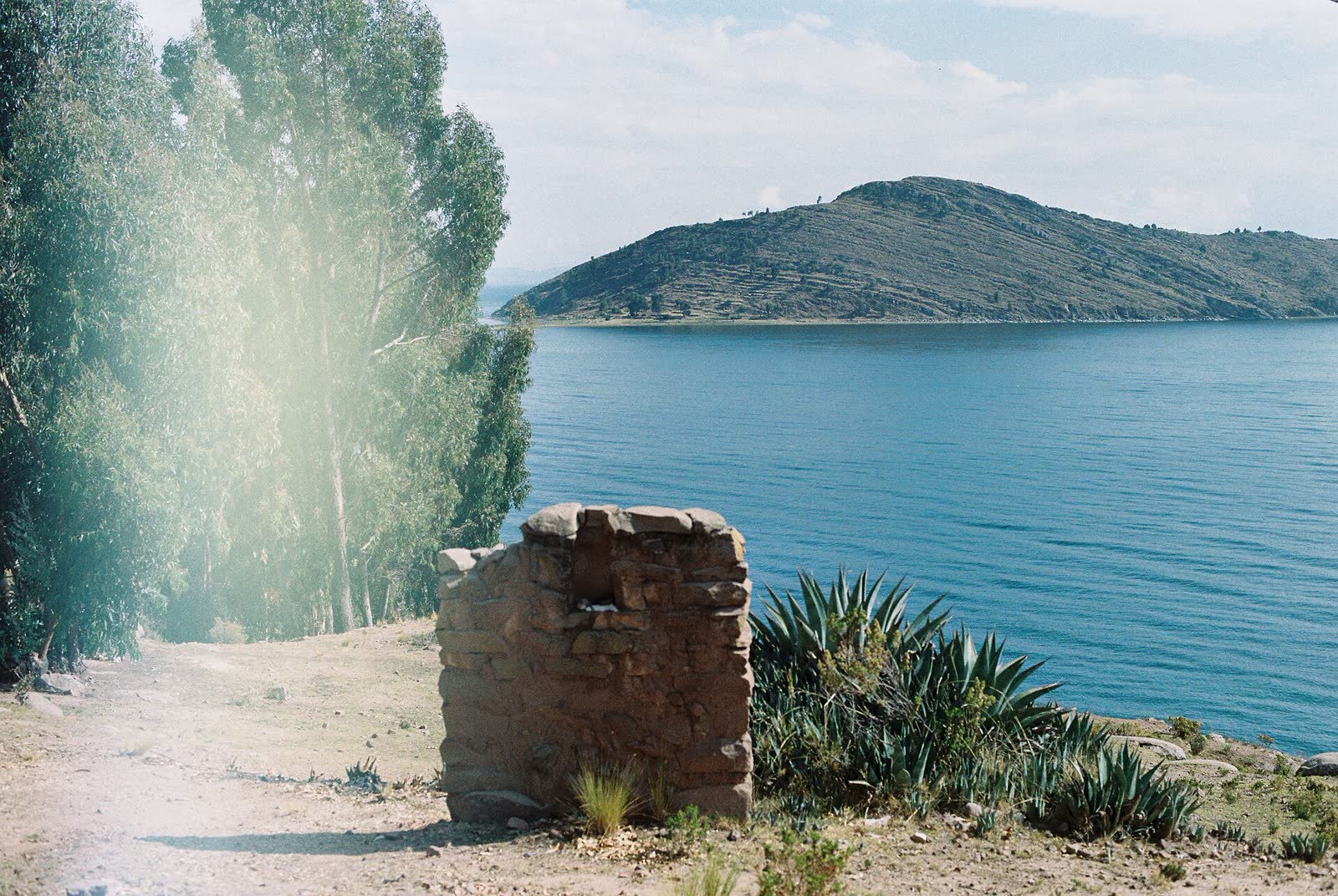
The lake feels like a sea in the sky, deep blue under huge clouds, with Bolivia's snowy peaks on the far shore. The communities around it, Aymara and Quechua, keep traditions of weaving, music and farming that visitors can share through respectful homestays. Puno is also Peru's folklore capital, with festivals that rival any in the Americas.
Puno
Puno is a working town rather than a pretty one, but it has a lively main street, **Jirón Lima**, a stone cathedral on the Plaza de Armas and viewpoints such as **Kuntur Wasi** and **Huajsapata** above town. The **Yavari**, a Victorian steamship carried over the Andes in pieces, is moored as a museum near the lakeshore.
The islands
The **Uros floating islands** are made from layers of totora reed, a short boat ride from Puno. Families explain how the islands are built and sell crafts; it is touristy, but genuinely unusual. **Taquile** is a hilly island known for its men's knitting, recognised by UNESCO, with stone paths, arches and lake views. **Amantaní** is further out and more rural, with Pachamama and Pachatata temples on its two hilltops. A night in a family homestay on Amantaní, or in the community of **Llachón** on the Capachica peninsula, is a highlight for many visitors. Bring small gifts of food or school supplies rather than sweets, and follow your host's lead.
Around the lake
**Sillustani**, about forty minutes from Puno, has tall circular burial towers called chullpas on a peninsula above Lake Umayo, beautiful in late afternoon light. Along the southern shore, the colonial churches of **Chucuito**, **Juli** and **Pomata** are worth a stop, especially if you are travelling on to Bolivia.
Festivals
The **Fiesta de la Virgen de la Candelaria** in early February is one of the largest festivals in South America, with tens of thousands of dancers in elaborate costumes. Book accommodation early if you plan to go, and expect crowds and celebrations late into the night.
Getting there
Fly into Juliaca and take a transfer or taxi to Puno, take a tourist or regular bus from Cusco or Arequipa, or ride the scenic but slower train from Cusco on the days it runs. Crossing to Copacabana in Bolivia is common; check the entry rules for your passport first.
Altitude and weather
Puno is higher than Cusco, so arrive after a few days at altitude if you can. Nights are freezing for much of the year and the sun is fierce by day, so pack warm layers, a hat and strong sunscreen. Protests in the south have closed roads at times, so check local news and your government's travel advice.
Food
Try fresh lake trout and pejerrey, quinoa soup and alpaca dishes, and on the islands, simple meals of potatoes, broad beans and herbal muña tea prepared by your hosts.
Where to stay
Stay near Jirón Lima and the plaza for convenience, or at one of the lakeside hotels south of town for views and calm. For the deepest experience, spend a night on Amantaní or in Llachón.
Questions about Lake Titicaca
How many days do I need at Lake Titicaca?
Two days covers Puno, the Uros and Taquile. Three days lets you add an overnight homestay on Amantaní and a visit to Sillustani.
Are the Uros islands worth visiting?
They are very touristy, but the reed islands are unique and the visit is short. Combine them with Taquile or Amantaní for a fuller picture of lake life.
Is Puno higher than Cusco?
Yes. Puno is at about 3,800 metres, a few hundred metres higher than Cusco, so it is best visited after you have already adjusted to the altitude.
Can I cross from Puno to Bolivia?
Yes, buses run to Copacabana and La Paz. Check the visa rules for your passport on Bolivia's official sites and confirm the border is open before you travel.
Facts checked . Fees, schedules and entry rules change, so always confirm the latest with the official source.