At a glance
- Best for
- Wildlife, birdwatching, Mennonite culture and remote landscapes
- Main base
- Filadelfia, around seven to eight hours from Asunción by bus
- Time needed
- Three to five days
- Getting around
- Bus to the towns, then a guided tour or private transport
- Best season
- May to September, when it is cooler and drier
- Highlights
- Fortín Boquerón, Laguna Capitán, Defensores del Chaco
Why go
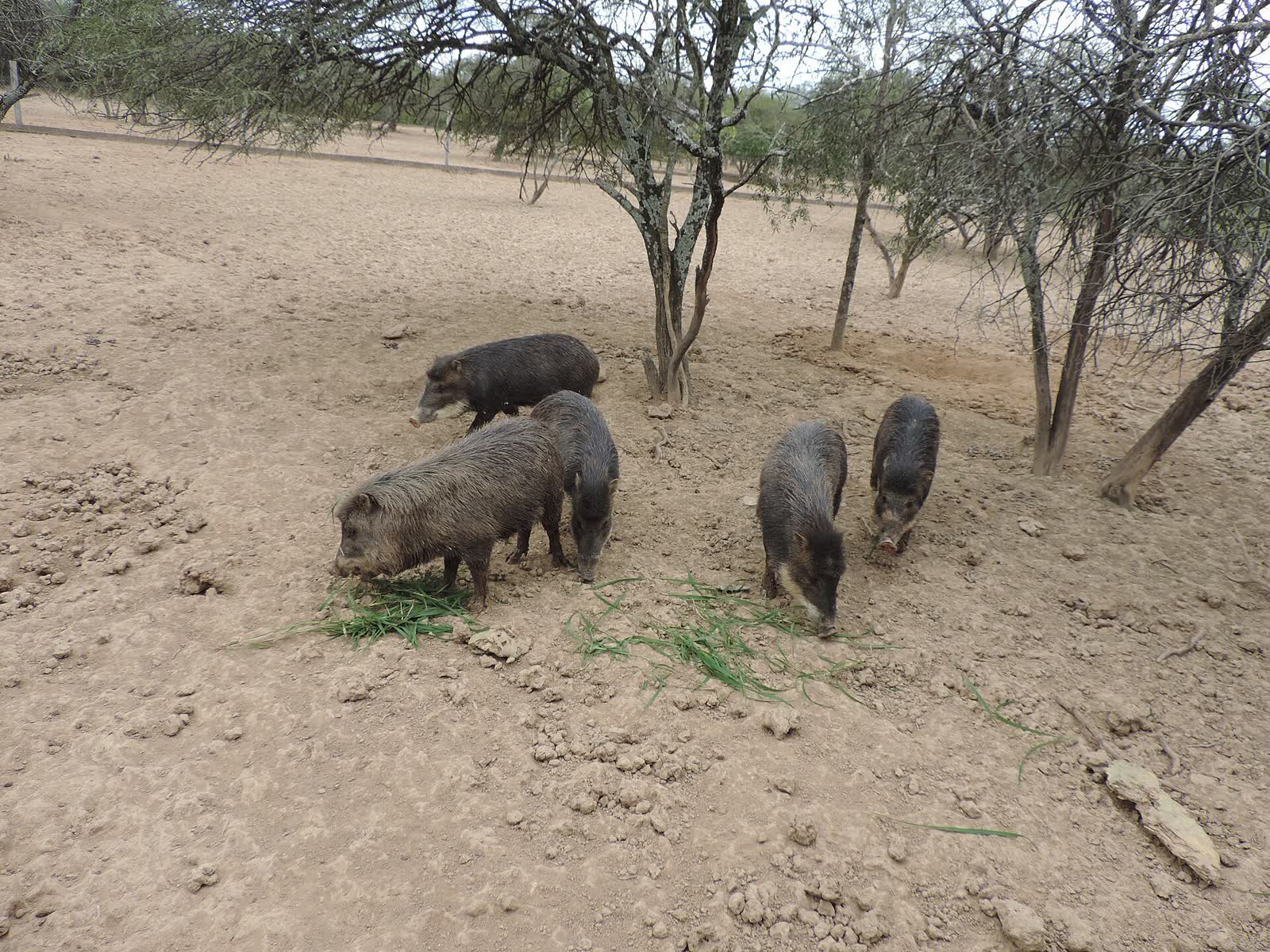
The Chaco is for travellers who want somewhere different. Jaguars, pumas, giant anteaters, peccaries and armadillos live in its forests, and the salt lagoons attract flamingos and migratory birds. The Mennonite towns are a fascinating mix of German speaking communities, Paraguayan culture and indigenous peoples such as the Nivaclé and Enxet. The landscapes are flat but enormous, with huge skies and spectacular sunsets.
The Mennonite colonies
The central Chaco has three main Mennonite colonies, each with its own town.
**Filadelfia**, the centre of the Fernheim colony, is the largest town and the usual base. It has supermarkets run by the cooperative, hotels, restaurants and the **Jakob Unruh Museum**, which tells the story of the settlers and displays local wildlife and indigenous crafts.
**Loma Plata**, in the Menno colony, is known for its dairy industry and has a small museum about the first settlers who arrived in the 1920s.
**Neuland**, the smallest, is close to the Chaco War site of Fortín Boquerón.
The colonies are calm and orderly, shops close on Sundays, and alcohol is not sold in some places, so plan ahead.
Chaco War history
Between 1932 and 1935, Paraguay and Bolivia fought the Chaco War over this region, one of the bloodiest wars in twentieth century South America. **Fortín Boquerón**, near Neuland, preserves trenches, a cemetery and a small museum on the site of a key battle. Other forts and memorials are scattered along the Transchaco.
Wildlife and lagoons
The salt lagoons east of the colonies, such as **Laguna Capitán**, are good for birdwatching, with flamingos, ducks and waders in the right season. Further north, the **Defensores del Chaco National Park** and the **Médanos del Chaco** protect huge areas of forest and dunes. These remote parks need a guided expedition with a capable four wheel drive vehicle, permits and supplies, and are not for casual visits.
The **Chaco Lodge** and private reserves in the area offer guided wildlife viewing. The **Tagua project** near Fortín Toledo protects the Chacoan peccary, a species once thought extinct.
The Transchaco Rally
Every year, usually in September, the **Transchaco Rally** brings crowds of fans to the central Chaco. Accommodation in Filadelfia and Loma Plata fills quickly, so book early if your trip coincides.
Practical tips
The Chaco is very hot, with summer temperatures well above forty degrees, so visit between May and September if you can. Carry plenty of water, sun protection and insect repellent. Distances are long, fuel stations and phone signal are sparse beyond the towns, and many dirt roads become impassable after rain. Travel with a local guide or tour operator for anything beyond the main towns, tell someone your plans and do not travel the Transchaco at night.
Getting there
Comfortable long-distance buses run from Asunción to Filadelfia and Loma Plata along the paved Transchaco. From the towns, local tour operators run day trips to the lagoons, museums and war sites.
Respect local communities
Many indigenous communities live in the Chaco, often in difficult conditions. Ask before taking photographs, buy crafts directly from cooperatives where you can, and dress modestly in the Mennonite towns.
Questions about the Chaco
Is the Chaco worth visiting?
Yes, if you enjoy wildlife, history and remote places. It is not a classic sightseeing destination, but the Mennonite towns, the lagoons and the sheer scale of the landscape are unforgettable.
Can I visit the Chaco without a tour?
You can reach Filadelfia and Loma Plata by bus and explore the towns on your own. For lagoons, national parks and war sites, a local guide with a suitable vehicle is strongly recommended.
When is the best time to visit the Chaco?
May to September, when days are warm rather than extreme and roads are drier. Summer heat can be dangerous, and heavy rain can cut off dirt roads.
Do people speak German in the Chaco?
Many Mennonites speak Plautdietsch and standard German, alongside Spanish. Guaraní and indigenous languages are also widely spoken in the region.
Facts checked . Fees, schedules and entry rules change, so always confirm the latest with the official source.