At a glance
- Best for
- History, food, museums, markets and nightlife
- Main airport
- Silvio Pettirossi International (ASU), in Luque
- Time needed
- Two to three days
- Getting around
- Bolt and Uber, taxis, city buses and walking in the centre
- Where to stay
- Villa Morra, Carmelitas, Recoleta or the historic centre
- Good base for
- Areguá, San Bernardino, Caacupé, Yaguarón and Itá
Why go
Asunción is the best place to understand Paraguay. In a single day you can walk past the pink Palacio de los López, stand in the hush of the Panteón Nacional de los Héroes, shop for medicinal herbs in Mercado 4 and end the evening over grilled meat and cold beer in Villa Morra. It is not a polished tourist city, and that is part of its charm: people are curious, friendly and happy to share a round of tereré.
The historic centre
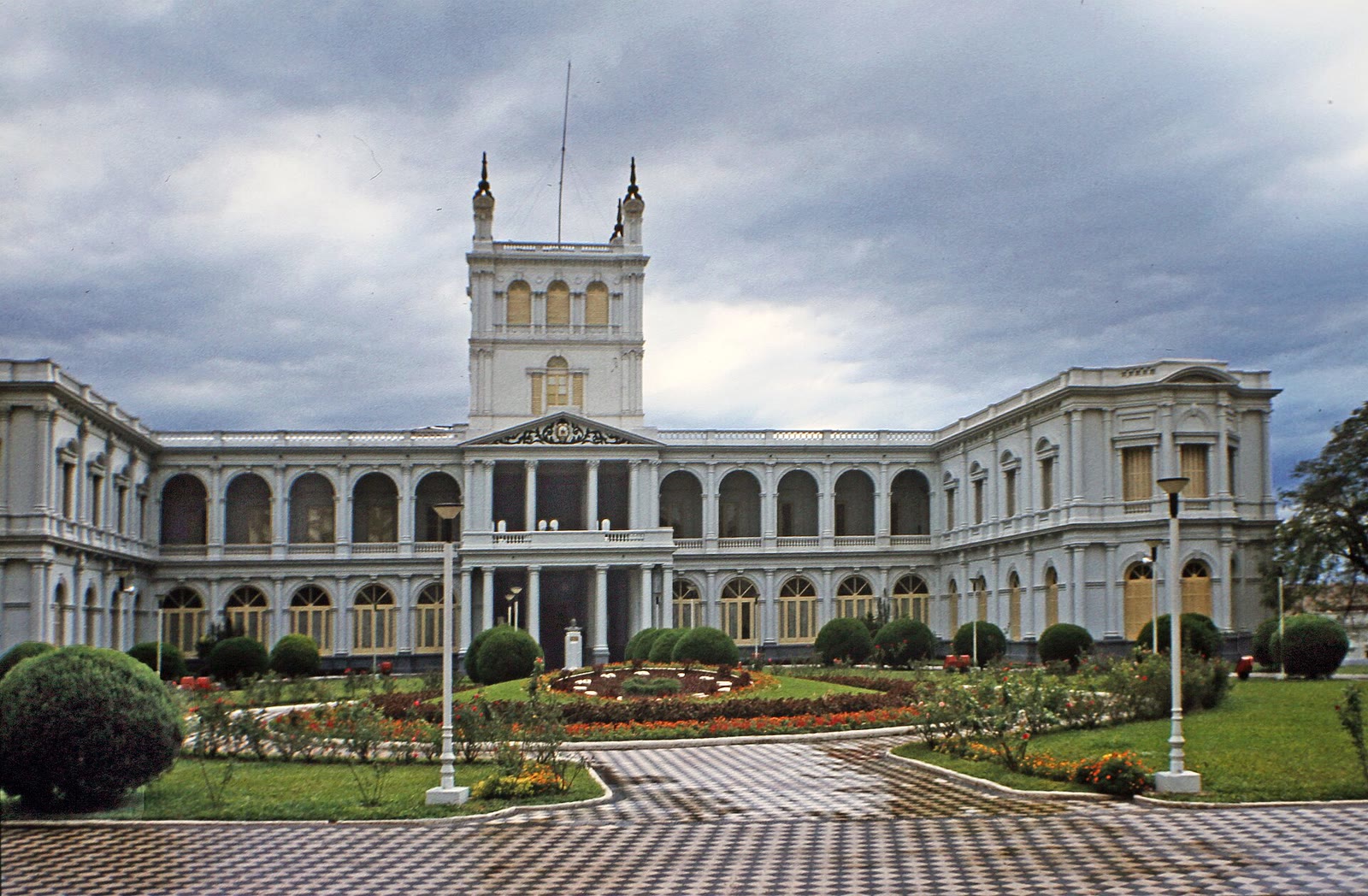
The old centre runs along the river bay. Key sights include the **Palacio de los López**, the presidential palace, which glows after dark; the **Casa de la Independencia**, the house where the 1811 independence plot was hatched, now a small museum; the **Panteón Nacional de los Héroes**, modelled on Les Invalides in Paris; the **Catedral Metropolitana** on Plaza de la Independencia; and the **Cabildo**, a cultural centre with free exhibitions. The **Manzana de la Rivera** is a block of restored houses with a library, gallery and café facing the palace.
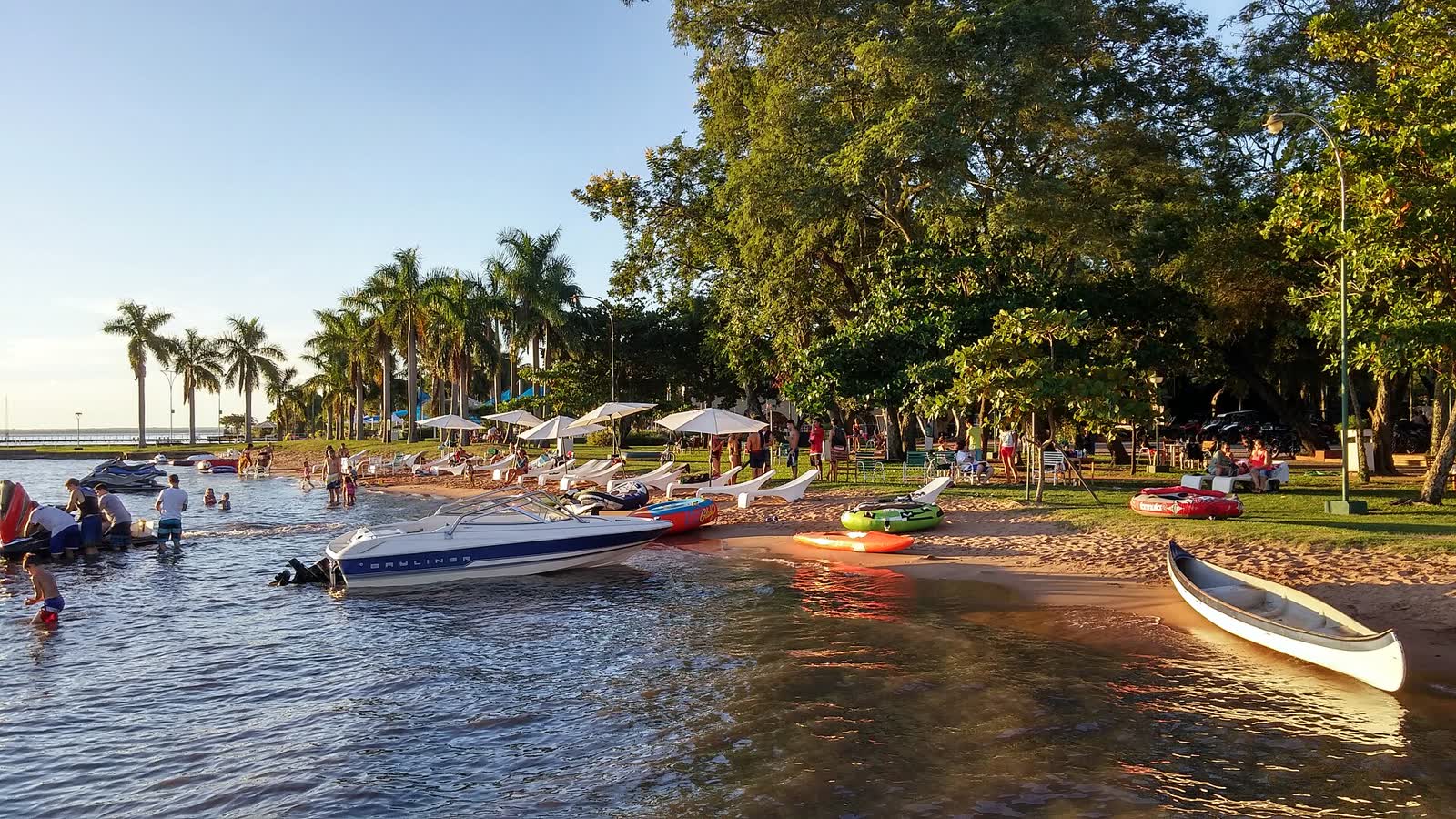
The **Costanera**, a long riverside promenade, is busy with joggers, cyclists and families at sunset. Next to the centre, **Loma San Jerónimo** is a hillside neighbourhood of painted houses, stairways and small bars, and one of the oldest corners of the city.
Markets and museums
**Mercado 4** is the city's sprawling main market, a maze of stalls selling herbs for tereré, fruit, clothes, electronics and cheap lunches. Go in the morning, carry little and keep your phone in a front pocket. The **Museo del Barro** in the Isla de Francia area is one of the best museums in the country, with indigenous art, popular ceramics and contemporary work under one roof. The **Jardín Botánico** in the north of the city combines a park, a small zoo and the former home of the López family.
Neighbourhoods
**Villa Morra** and **Carmelitas** are the modern, leafy heart of the city, with shopping centres, hotels, restaurants and the **Paseo Carmelitas** dining strip. **Recoleta** and **Las Mercedes** are quieter residential districts with good cafés. The historic centre has character and lower prices but empties after office hours, so many visitors stay in Villa Morra and take short rides into the centre.
Food
Asunción is where to try Paraguayan food at its best: **chipa** from street sellers, **sopa paraguaya**, a cornbread that is not a soup, **vori vori** chicken soup with cornmeal dumplings, **mbejú** cassava pancakes and a proper **asado**. Traditional restaurants serve generous set lunches, and newer kitchens reinterpret Guaraní ingredients.
Getting there and around
Silvio Pettirossi International Airport is in Luque, around half an hour from the centre by road. Use an official airport taxi or a ride app such as Bolt or Uber. In the city, ride apps are easy and widely used. City buses are cheap but crowded and confusing for first-timers. The long-distance bus terminal on Avenida Fernando de la Mora has services to every region.
Safety
Asunción is generally calm, but bag snatching and phone theft from motorbikes happen, especially in the centre after dark and around Mercado 4. Use ride apps at night, keep your phone out of sight on the street and avoid the riverside informal settlements known as the Bañados. Check your government's travel advice before you travel.
Questions about Asunción
How many days do I need in Asunción?
Two days covers the historic centre, the Costanera, Mercado 4 and a museum or two. Add a third day for a trip to Areguá, San Bernardino or the craft towns of Itá and Yaguarón.
Is Asunción safe at night?
Villa Morra and Carmelitas are lively and generally safe in the evening. The historic centre gets very quiet after dark, so take a ride app rather than walking long distances there at night.
Where should I stay in Asunción?
First-timers usually choose Villa Morra or Carmelitas for restaurants, shopping and an easy feel. The historic centre suits history lovers and budget travellers who want to walk to the main sights.
How do I get from the airport to Asunción?
Take an official airport taxi from the arrivals hall or book Bolt or Uber. The journey to Villa Morra or the centre takes around half an hour, longer at rush hour.
Facts checked . Fees, schedules and entry rules change, so always confirm the latest with the official source.