At a glance
- Best for
- Mountain scenery, walking, culture and photography
- Nearest airport
- Gilgit (GIL), with Islamabad (ISB) for international flights
- Time needed
- Four to six days
- Best season
- April to October
- Language
- Burushaski, Wakhi, Shina and Urdu
- Getting around
- Jeeps with local drivers and minibuses
Karimabad and the forts
**Karimabad** is the main town in central Hunza and the natural base. Above it stands **Baltit Fort**, the seven hundred year old palace of the Mirs of Hunza, restored by the Aga Khan Trust for Culture and now a museum with superb views. Down the valley, **Altit Fort** is even older, perched on a cliff above the Hunza River, with a royal garden and a small café. Guided tours run at both. In the evening, walk up to the **Eagle's Nest** viewpoint at Duikar for sunset or sunrise over **Rakaposhi**, **Ultar** and **Lady Finger** peaks.
Upper Hunza (Gojal)
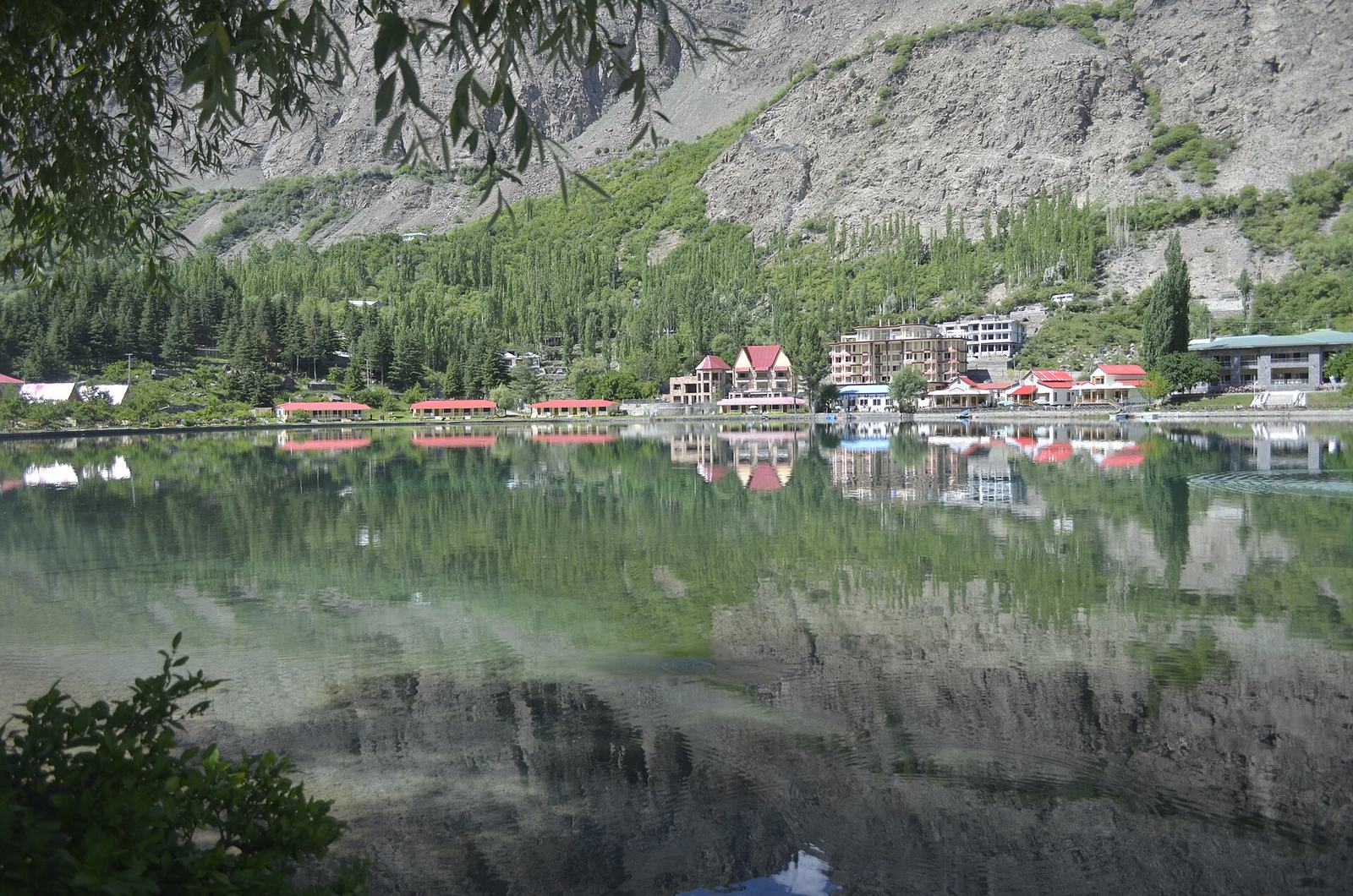
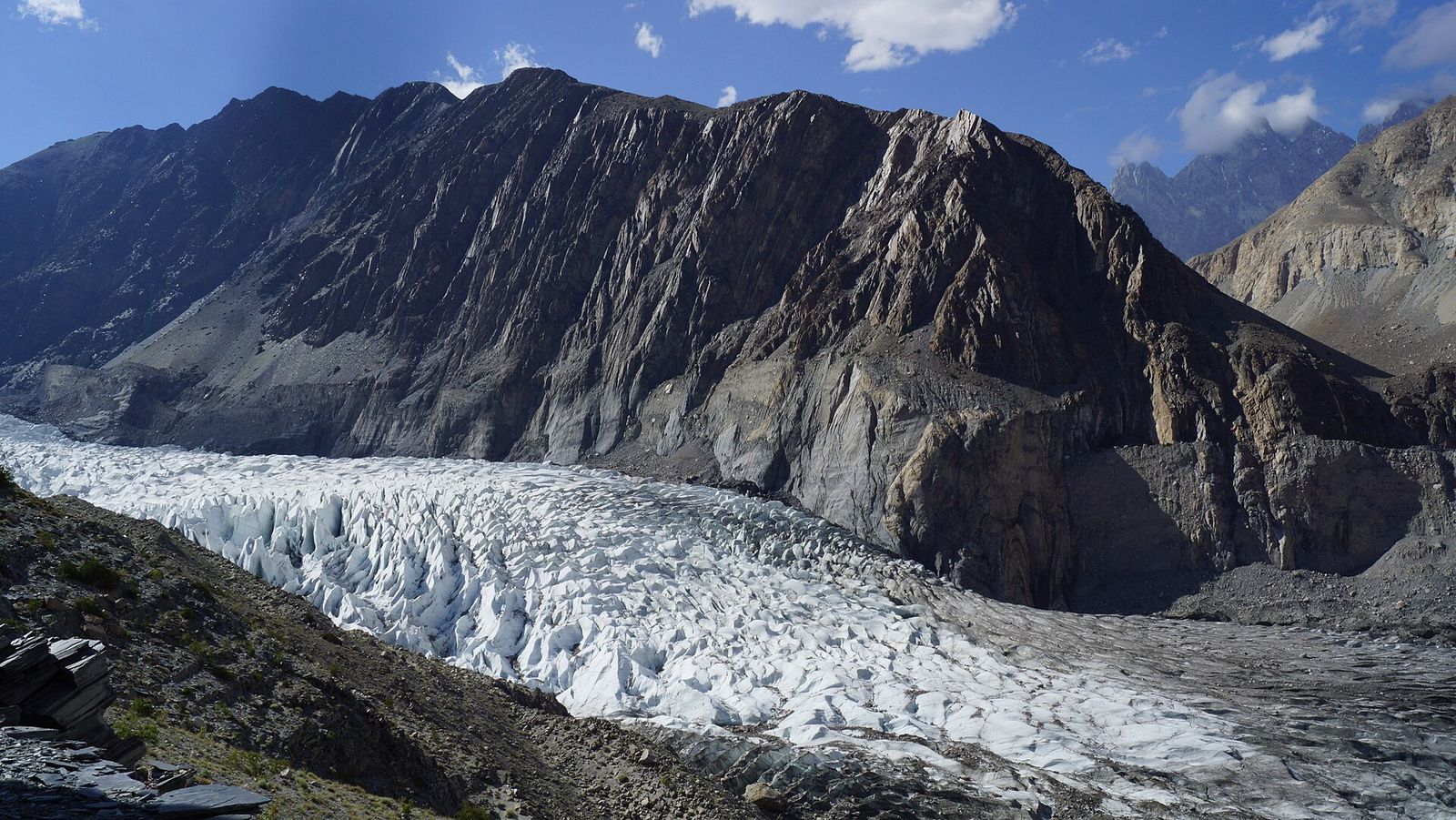
North of Karimabad the valley widens into **Gojal**, the land of the Wakhi people. **Attabad Lake** was formed when a landslide blocked the river in 2010; today its turquoise water is crossed by boats and lined with cafés. Beyond, **Gulmit** is a quiet village with a small museum, **Borith Lake** attracts birds, and the wobbly **Hussaini Suspension Bridge** is a famous test of nerve. At **Passu**, the jagged **Passu Cones** rise above the river and the **Passu** and **Batura** glaciers come close to the road.
The Khunjerab Pass
The Karakoram Highway climbs to the **Khunjerab Pass** on the China border at around 4,700 metres, one of the highest paved border crossings in the world. It is a day trip from Passu or Karimabad through **Khunjerab National Park**, home to Marco Polo sheep and ibex. The pass usually opens in late spring and closes in winter; the altitude can cause headaches, so do not linger if you feel unwell.
Nagar and the glaciers
Across the river, the Nagar valley has the **Hopper Glacier** and **Rakaposhi View Point** at Ghulmet, where a stream runs right beside the road under the mountain's huge face. Ancient **Ganish** village, with its carved wooden mosques and watchtowers, sits just below Karimabad.
Seasons
**April** brings cherry and apricot blossom, a short and magical window. **May to September** is the main season, warm by day and cool at night. **Late October** turns poplars and orchards gold, and is many photographers' favourite. Winter is very cold, with many hotels closed.
Eating in Hunza
Hunza food is simple and wholesome: **chapshuro**, a meat filled bread, **diram pitti**, a sweet wheat dish, apricot soups, walnut cake and plenty of dried apricots and mulberries. Karimabad has several cafés popular with travellers.
Getting there
Most people fly from Islamabad to **Gilgit**, then drive about two hours to Karimabad. Flights depend on clear weather and are often cancelled, so keep your plans flexible. The alternative is the long road journey on the Karakoram Highway or via the **Babusar Pass** in summer, which takes one to two days. Check your government's travel advice for the road route, as some sections have carried warnings, and many travellers prefer to fly.
Respect and practicalities
Most people in Hunza are Ismaili Muslims, and the valley is relaxed and safe, but modest dress is still appreciated. Ask before photographing people, especially women. ATMs are few and can fail, so bring enough rupees. Mobile coverage is decent in the main valley, and power cuts are common.
Questions about the Hunza Valley
What is the best time to visit Hunza?
April for blossom, May to September for the main summer season, and late October for autumn colours. Winter is cold and many places close.
How do I get to Hunza?
Fly from Islamabad to Gilgit, weather permitting, and drive around two hours to Karimabad. By road, the journey from Islamabad takes one to two days.
Is Hunza safe?
Hunza is known as one of the most relaxed and welcoming parts of Pakistan. Check your government's travel advice, especially for the road route north.
How many days do I need in Hunza?
Four to six days covers Karimabad, Upper Hunza and the Khunjerab Pass at a gentle pace, with a spare day for weather.
Do I need a permit for the Khunjerab Pass?
Visitors usually pay a national park entry fee at the checkpoint and show their passport. Confirm current rules locally before you go.
Facts checked . Fees, schedules and entry rules change, so always confirm the latest with the official source.