At a glance
- Best for
- Landscape, hiking, photography, beaches and northern lights
- Airport
- Svolvær (SVJ), Leknes (LKN) or Harstad/Narvik Evenes (EVE)
- Time needed
- Four to seven days
- Best season
- June to August for hiking, September to March for aurora
- Getting around
- Local buses, ferries and tours, with careful planning
- Good base for
- Reine, Henningsvær, Nusfjord and Vesterålen
Why go
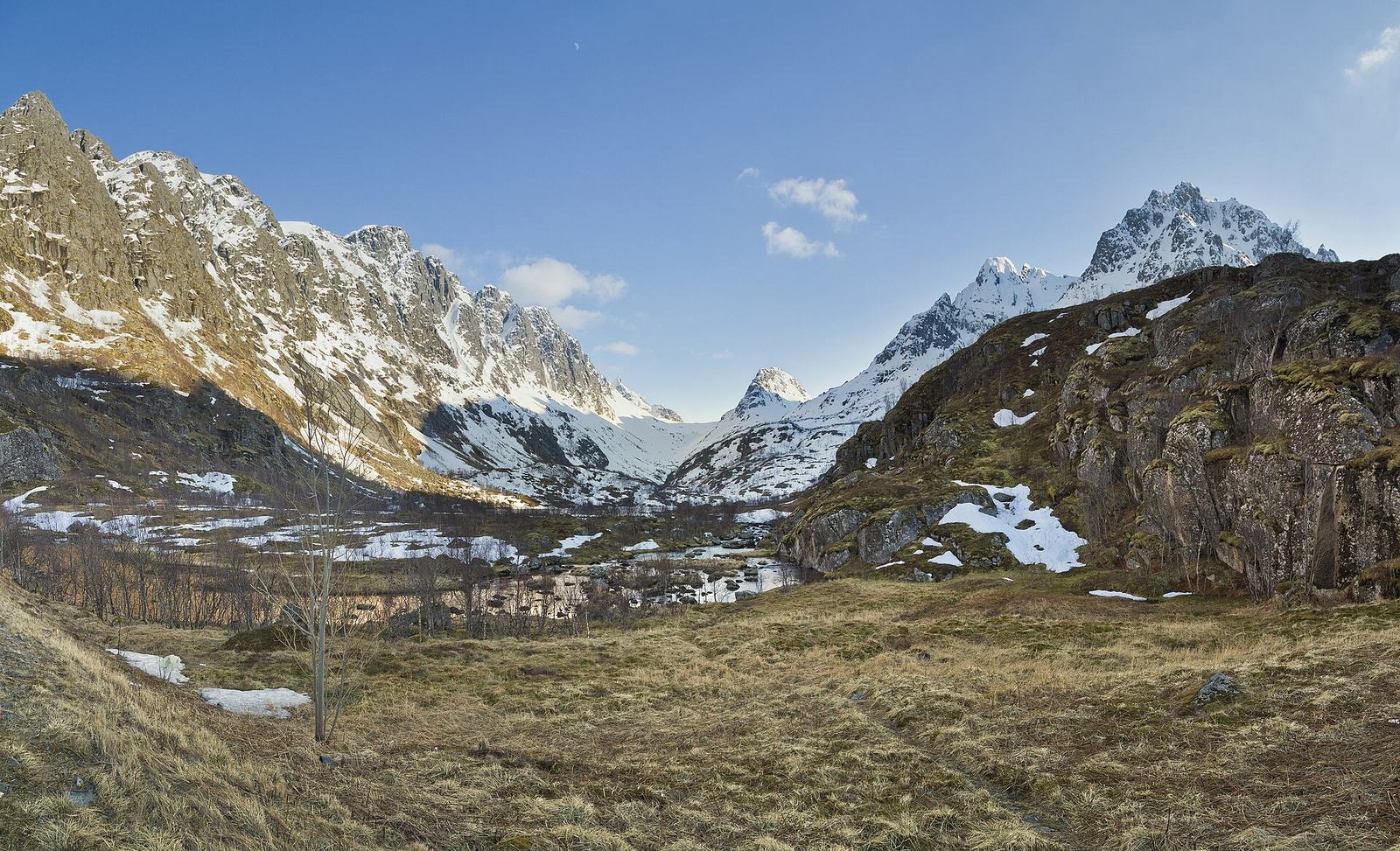
Lofoten feels almost unreal. Mountains that look like the Alps rise from beaches that look tropical, and tiny fishing villages tuck into every bay. You can hike to a summit in the midnight sun, surf an Arctic beach, kayak between islands or watch the aurora dance over a harbour. It is wilder and less polished than the fjords, which is a big part of its charm.
The villages
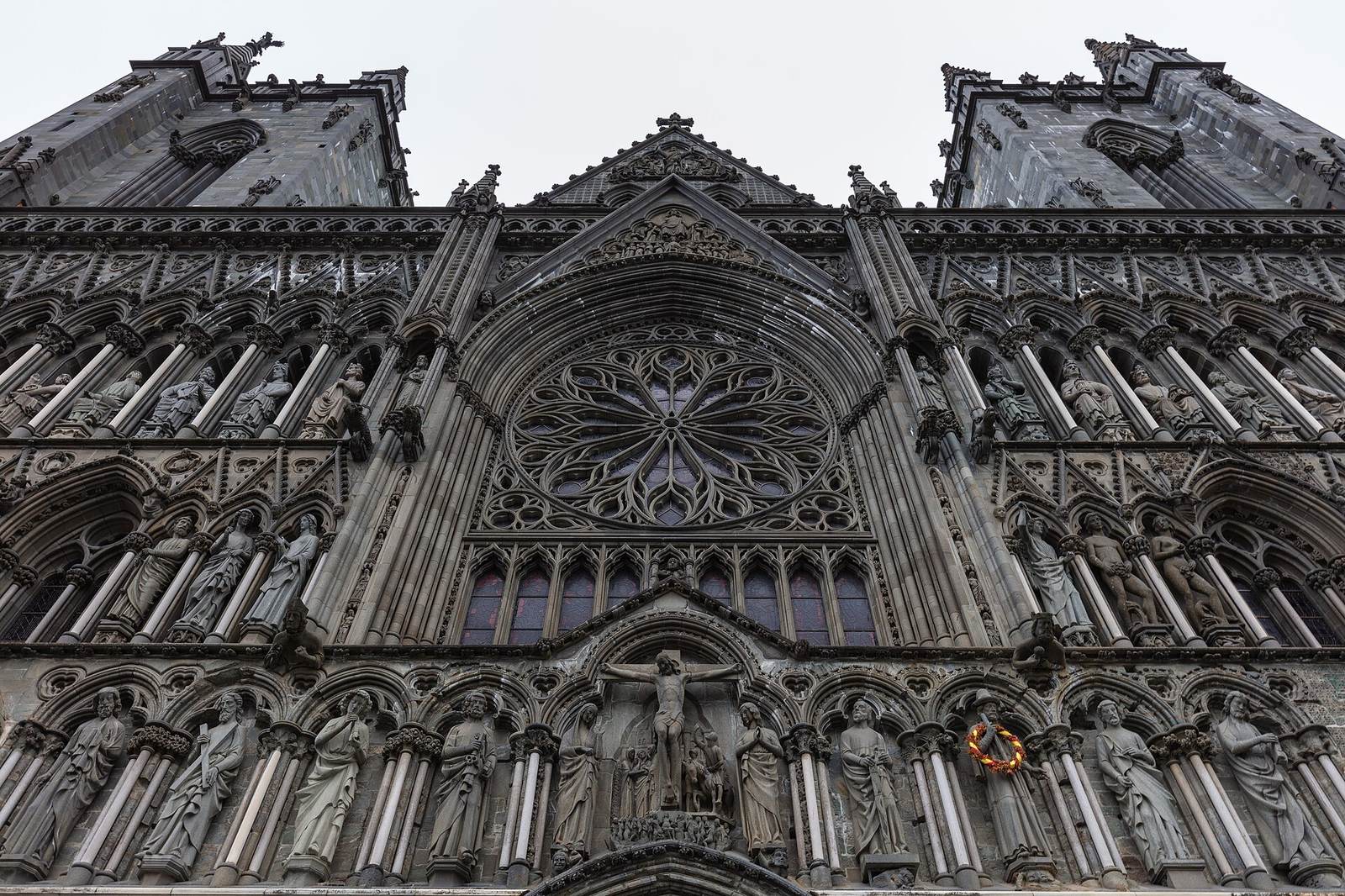
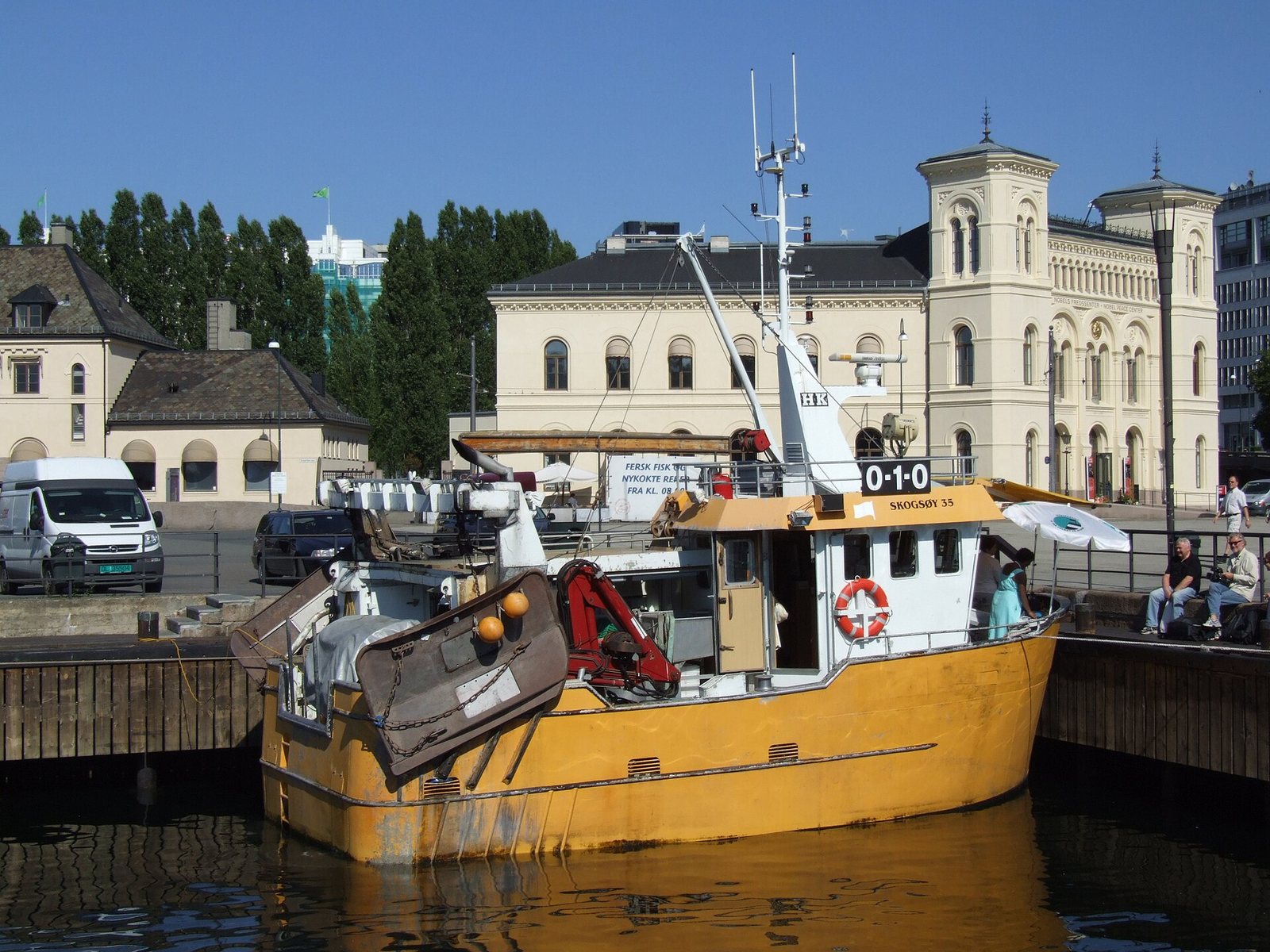
**Reine** and **Hamnøy** in the far west are the classic view, with red cabins below steep peaks. **Å**, at the end of the road, has a stockfish museum and an old bakery. **Nusfjord** is one of the best preserved fishing villages in Norway. **Henningsvær** sits on small islands joined by bridges, with a famous football pitch, cafés and galleries. **Svolvær** is the main town and transport hub, and **Kabelvåg** has the **Lofoten Cathedral** and the **Lofoten Aquarium**.
Beaches and hikes
**Haukland** and **Uttakleiv** beaches are easy to reach and lovely in any season. **Unstad** is a surf beach, and **Kvalvika** and **Bunes** beaches are reached on foot. Popular hikes include **Reinebringen**, with stone steps up to a view over Reine, **Ryten** above Kvalvika, and **Festvågtind** near Henningsvær. Trails are steep and exposed, the weather turns fast, and rescues are common, so start early, wear proper boots and turn back if it clouds over.
Culture and history
The **Lofotr Viking Museum** at Borg is built around the reconstructed longhouse of a Viking chieftain. Wooden racks of drying **stockfish** line the roads from late winter to early summer. Galleries in Henningsvær and Svolvær show local art and photography.
Northern lights and midnight sun
The aurora season runs roughly from **late September to late March**, and Lofoten's dark beaches and harbours make wonderful foregrounds. The midnight sun lasts from about **late May to mid July**. Winter days in December and early January are very short.
Respect the islands
Lofoten's villages are small and crowded in summer. Use toilets and campsites, never fly drones over homes, do not walk onto private drying racks or jetties, and leave no trace on trails. Wild camping is allowed under the right to roam, but not near homes or on cultivated land.
Getting there and around
Fly to **Svolvær** or **Leknes** via Bodø, or to **Evenes** and take the bus. The **Bodø to Moskenes** car ferry is the classic sea route, and express boats link Bodø with Svolvær. The **Hurtigruten** and **Havila** coastal ships stop at Stamsund and Svolvær. Buses run along the main road but are infrequent, especially outside summer, so plan around the timetables on Entur or join tours.
Where to stay
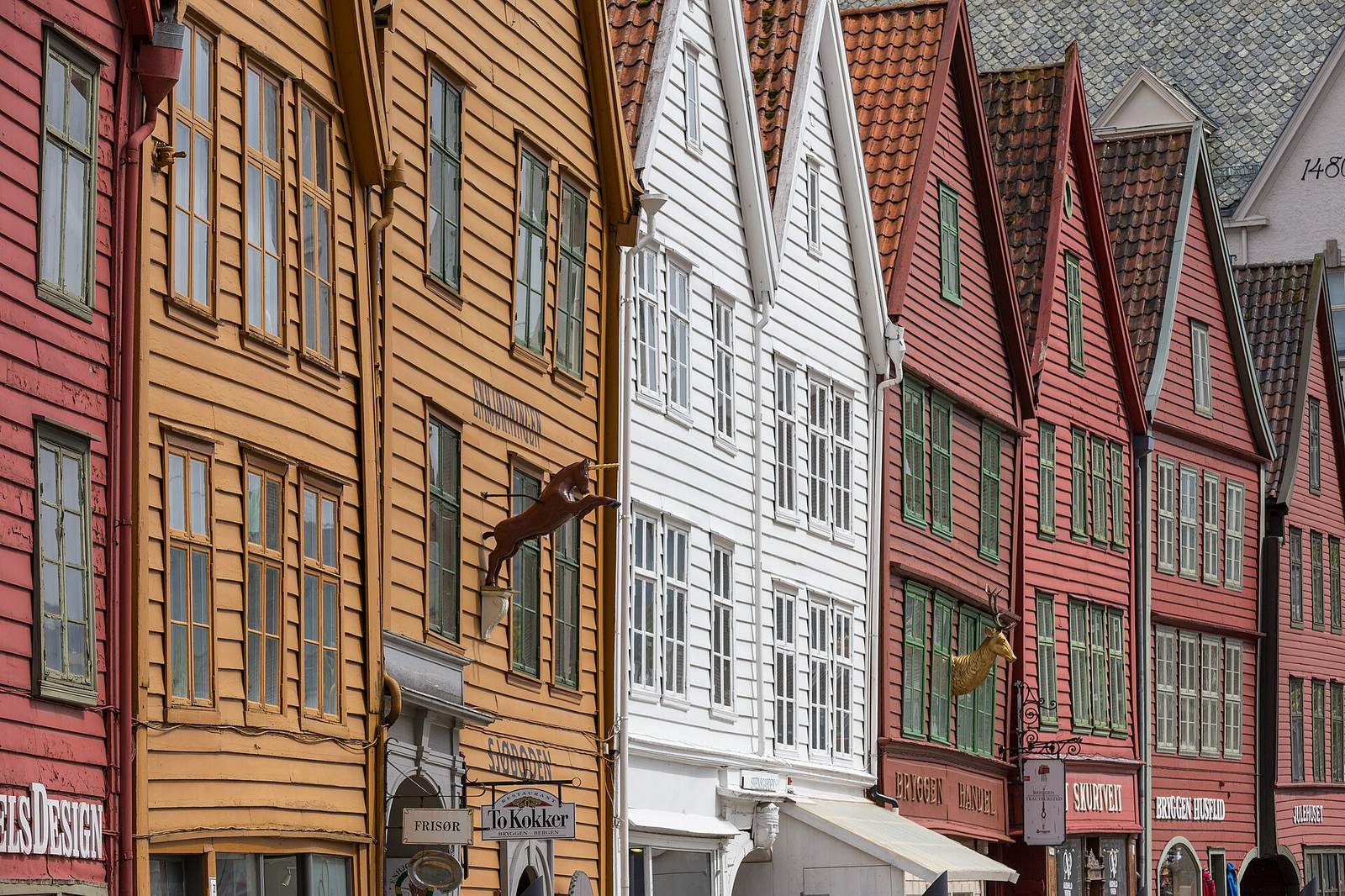
Sleeping in a **rorbu**, a converted fisherman's cabin on stilts, is the classic Lofoten stay. Base yourself in the west near Reine for the dramatic scenery and in the middle near Henningsvær or Svolvær for services and connections. Book very early for summer and winter aurora season.
Questions about Lofoten
How many days do I need in Lofoten?
Plan at least four days, and a week if you want to hike. The weather can wipe out a day or two.
Can I visit Lofoten without a car?
Yes, but it takes planning. Buses and ferries link the main villages, and tours fill gaps, but services are infrequent, especially in winter.
What is a rorbu?
A traditional red or yellow fisherman's cabin on stilts at the water's edge. Many are now rented to visitors and are the classic Lofoten stay.
Is Reinebringen a hard hike?
It is short but very steep, on many stone steps. It can be slippery and is not advised in snow or ice. Go in good weather with proper shoes.
When is the best time to visit Lofoten?
June to August brings the midnight sun, long hiking days and the most buses and boats. September and October mix autumn colours with the first dark nights for aurora, and February and March bring snowy peaks, the cod fishery and longer days for winter photography. December and early January are the darkest months, with very short days and fewer services.
Facts checked . Fees, schedules and entry rules change, so always confirm the latest with the official source.