At a glance
- Best for
- Family visits, markets, river sunsets and culture
- Gateway
- Diori Hamani International Airport (NIM)
- Time needed
- Three to five nights
- Best season
- November to February
- Languages
- Zarma, Hausa and French
- Travel advice
- Check your government's advice for the capital
Why Niamey is worth your time
Niamey became the capital of the French colony of Niger in 1926, and much of the centre still follows the plan laid out then: broad avenues, roundabouts and administrative buildings set among neem trees. Today it is a busy, youthful city where Zarma, Hausa, Fulani, Tuareg and Kanuri people meet, and where the country's music, fashion and food come together. For diaspora visitors it is home, and for everyone it is the easiest place in Niger to understand the country.
The National Museum
The Musée National Boubou Hama is the city's best sight and one of the most unusual museums in West Africa. Set in parkland near the river, it combines pavilions on Niger's peoples and crafts, dinosaur fossils from the Sahara, a small zoo, and workshops where artisans make leather goods, silver jewellery and textiles. The pavilions of traditional houses show how a Hausa, Tuareg or Fulani home is built. Allow a long morning, and go early before the heat.
Markets and crafts
The Grand Marché, rebuilt after a fire in 2009, is the commercial heart of the city: a maze of cloth, spices, hardware, phones and food. The Petit Marché near the centre is smaller and easier to browse, with fruit, vegetables and fabric. For crafts, the artisan village at Wadata sells Tuareg silver crosses, leatherwork and indigo cloth, and you can often watch the work being done. Bargain politely and with a smile.
The river
The Niger river is Niamey's great asset. The Kennedy Bridge links the city to the right bank, and the riverside is the place to be at dusk, when the light turns gold and fishermen pole their pirogues home. Short pirogue trips are sometimes offered from the banks; agree the details clearly first and go with someone you trust. Hippos still live in parts of the river, so keep your distance.
Neighbourhoods
The Plateau, near the presidency and ministries, is green and calm, with many embassies and some of the better hotels. The centre around the markets is busy and commercial. Quartiers like Yantala, Koira Kano and the area near the river hold most restaurants, guesthouses and expatriate life. The right bank around the university is quieter and more residential.
Where to stay
Niamey has a small range of international hotels, mid-range business hotels and simple guesthouses. Choose a place with good security, a generator and reliable water, and ask about airport transfers arranged by the hotel itself. Families visiting relatives often stay with them, which is the most natural way to see the city.
Staying careful
Government advice for Niger is severe, and the threat of kidnapping extends to the capital. Keep a low profile, vary routines, avoid political gatherings, do not walk alone after dark and use trusted drivers known to your hotel or family. Do not photograph government buildings, soldiers, the bridges or the airport.
Planning your days
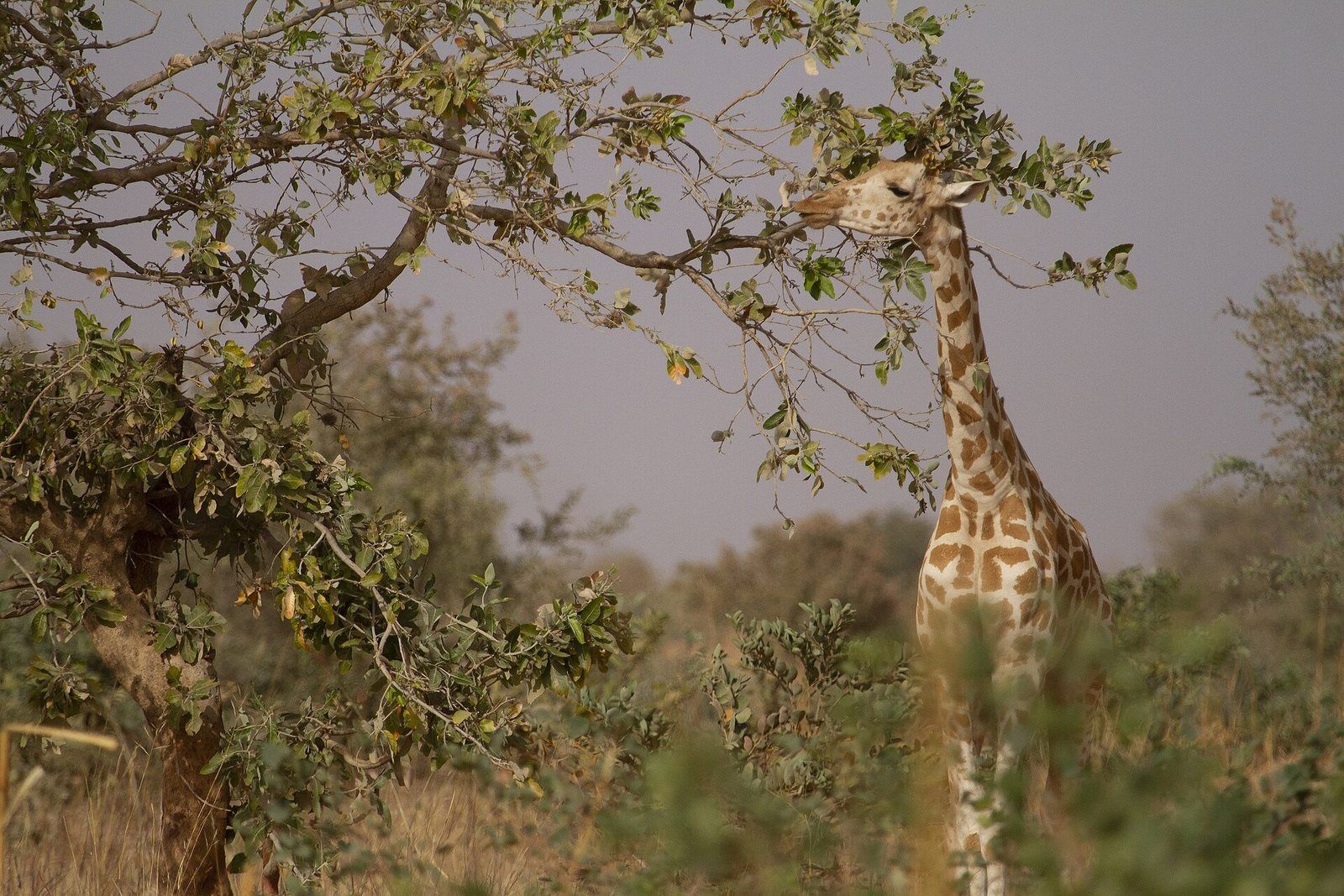
Spend a morning at the museum, an afternoon in the markets, and an evening by the river. Add the Kouré giraffe zone as a day trip if the current advice and local conditions allow. Use our free trip planner to fit Niamey into a realistic plan.
Questions about Niamey
How many days should I spend in Niamey?
Three to five nights is enough for the museum, markets, river and a day trip to the giraffes. Family visits often run much longer, and that is the best way to see the city.
Is Niamey safe?
Niamey is covered by strong government travel warnings, including a kidnapping threat. Many visitors who must travel stay in secure hotels or with family, keep a low profile and use trusted drivers. Read your government's current advice first.
What is the best area to stay in Niamey?
The Plateau and the quieter residential areas near the river are popular for their calm streets and better security. Choose accommodation with its own guards and generator.
What should I not miss in Niamey?
The Musée National Boubou Hama, the Grand Marché, the Wadata artisan village and sunset over the Niger river.
Facts checked . Fees, schedules and entry rules change, so always confirm the latest with the official source.