At a glance
- Best for
- Day trips, wine, local life and onward travel
- Airport
- Podgorica Airport (TGD), about fifteen minutes away
- Time needed
- One to two days
- Best season
- April to June and September to October
- Getting around
- Walking, taxis and buses
- Good base for
- Ostrog, Cetinje, Lake Skadar and the Cijevna falls
Why visit Podgorica
Podgorica is not a postcard city, and that is part of its appeal. It is where Montenegrins live, work and spend long evenings over coffee. It is also the country's transport hub, with the main airport, the railway to Bar and Belgrade, and buses everywhere. From here, Ostrog Monastery, Cetinje, Lake Skadar and the wine cellars of the Ćemovsko plain are all within an hour.
What to see in the city
Start at the Cathedral of the Resurrection of Christ, a large Orthodox cathedral finished this century, with golden domes and vivid modern frescoes inside. Cross the Millennium Bridge, the cable stayed symbol of the new city, and walk to Stara Varoš, the old Ottoman quarter with its stone clock tower and small mosques. Near the meeting of the rivers you can see the remains of the old fortress and the Ribnica bridge. The Petrović Palace in Kruševac park now holds contemporary art, and the Gorica Hill park offers shady trails and viewpoints.
Coffee and evenings
Café culture is central here. Hercegovačka Street and the area around the main square fill with terraces from morning to late night. In summer, the city can be very hot, so locals stay inside in the afternoon and come out after dark.
Ostrog Monastery
About an hour north, Ostrog is a white monastery built into a sheer cliff face, the most important pilgrimage site in Montenegro for Orthodox Christians and visited by people of all faiths. Dress modestly, with shoulders and knees covered, and expect queues to see the relics on feast days. The lower monastery has a guesthouse for pilgrims.
Cetinje
The old royal capital, about thirty minutes away, is a small, leafy town of museums, former embassies and the Cetinje Monastery. King Nikola's palace and the Njegoš museum tell the story of Montenegro's independence. It combines easily with Lovćen National Park.
Wine and nature
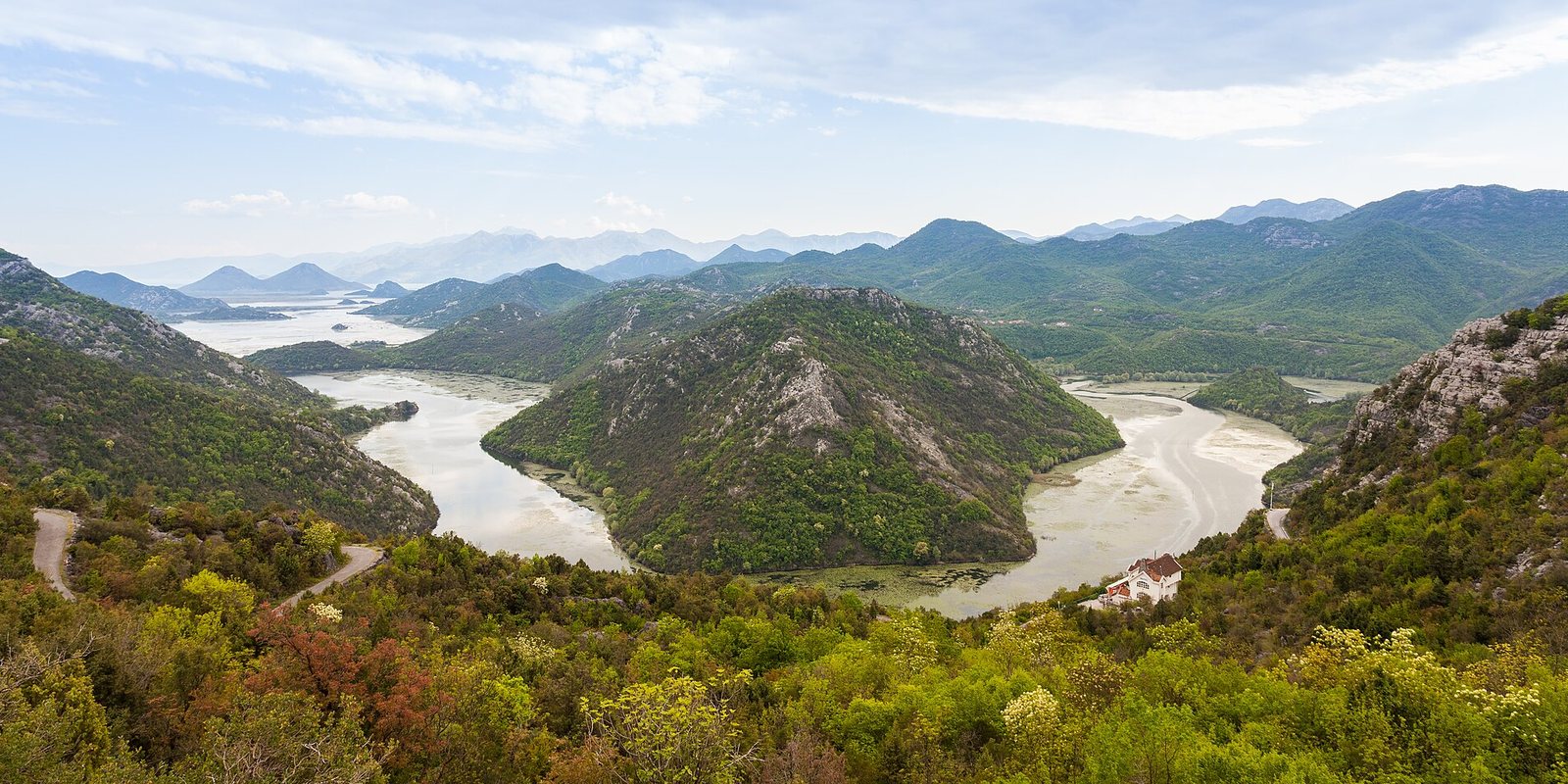
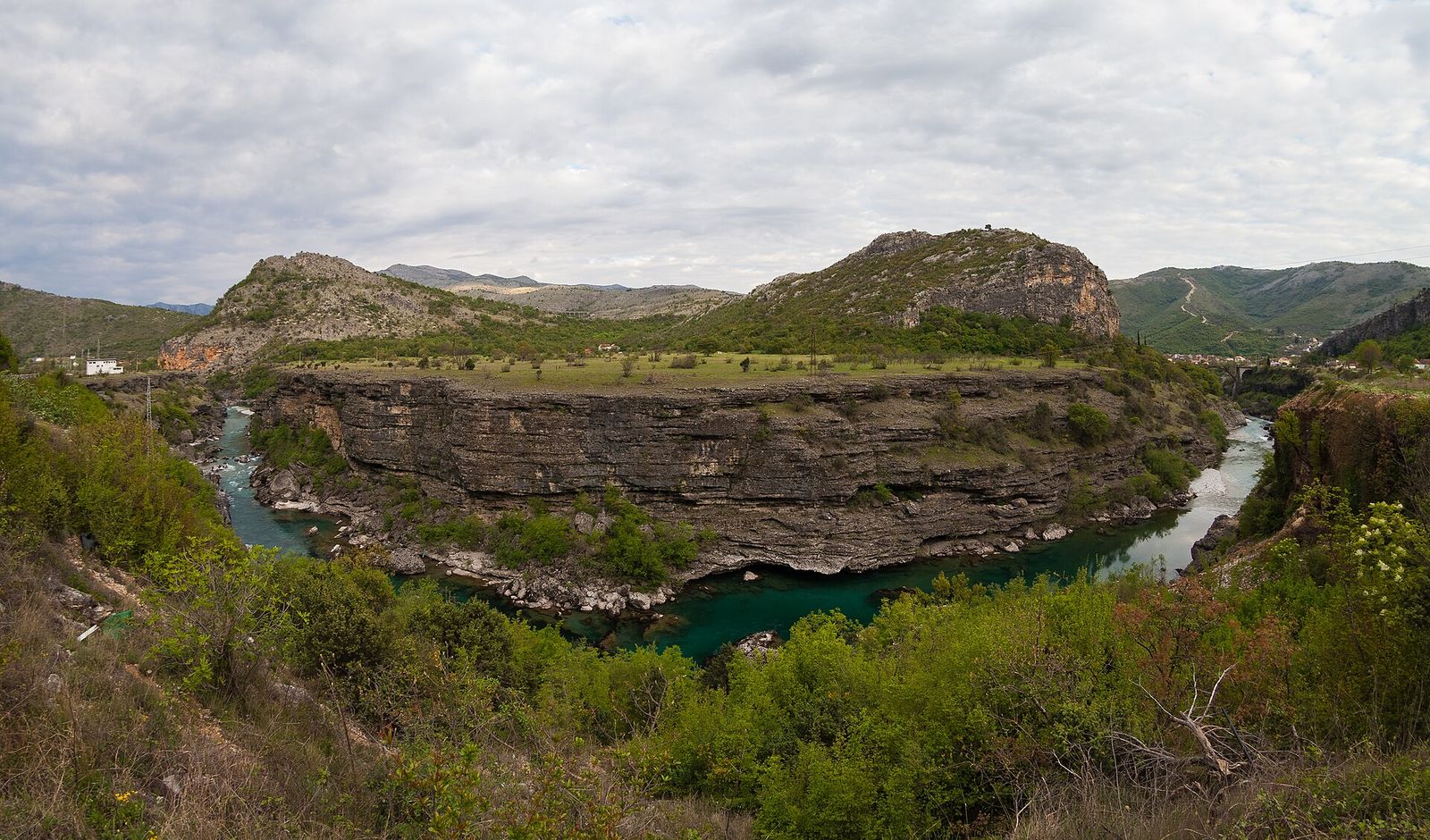
Plantaže, one of the largest vineyards in Europe, runs tastings in the Šipčanik cellar, a former military aircraft hangar dug into a hill. South of the city, the Cijevna river forms a wide waterfall nicknamed Niagara, best after spring rain. The ruins of Roman Doclea lie just north of town in open fields.
Getting around the city
Central Podgorica is flat and walkable, and taxis are inexpensive and easy to find. The bus and train stations sit next to each other east of the centre, with frequent buses to the coast and north. Summer afternoons are best spent indoors or in the shade, with sightseeing in the morning and evening.
Where to stay
The centre around the main square and the new town across the bridge have business hotels and apartments, all within walking distance of cafés. Podgorica is a practical overnight before an early flight or a drive north.
Plan your visit
See the city's restaurants and sights on our places to visit list, and combine Podgorica with Lake Skadar and Durmitor in the trip planner.
Questions about Podgorica
Is Podgorica worth visiting?
As a base for a day or two, yes. The city itself is modest, but it puts Ostrog Monastery, Cetinje, Lake Skadar and wine country within easy reach.
How do I get from Podgorica airport to the city?
Taxis wait outside arrivals and the drive takes about fifteen minutes. Some airport shuttle buses run as well; check the airport website for current options.
How do I get to Ostrog Monastery from Podgorica?
Organised tours and taxis are the easiest options. Trains and buses stop near the bottom of the hill, but the road up is steep and long to walk.
How hot is Podgorica in summer?
Very hot. July and August often bring days well above thirty degrees Celsius, so plan sightseeing for mornings and evenings.
Facts checked . Fees, schedules and entry rules change, so always confirm the latest with the official source.