At a glance
- Best for
- Baroque architecture, history, food and easy city breaks
- Airport
- Vilnius International Airport (VNO), close to the centre by train or bus
- Time needed
- Two to four days
- Best season
- May to September, plus December for the Christmas tree and lights
- Getting around
- Walking, buses, trolleybuses and ride hailing apps
- Good base for
- Trakai, Kernavė, Europos Parkas and the Hill of Crosses
Why go
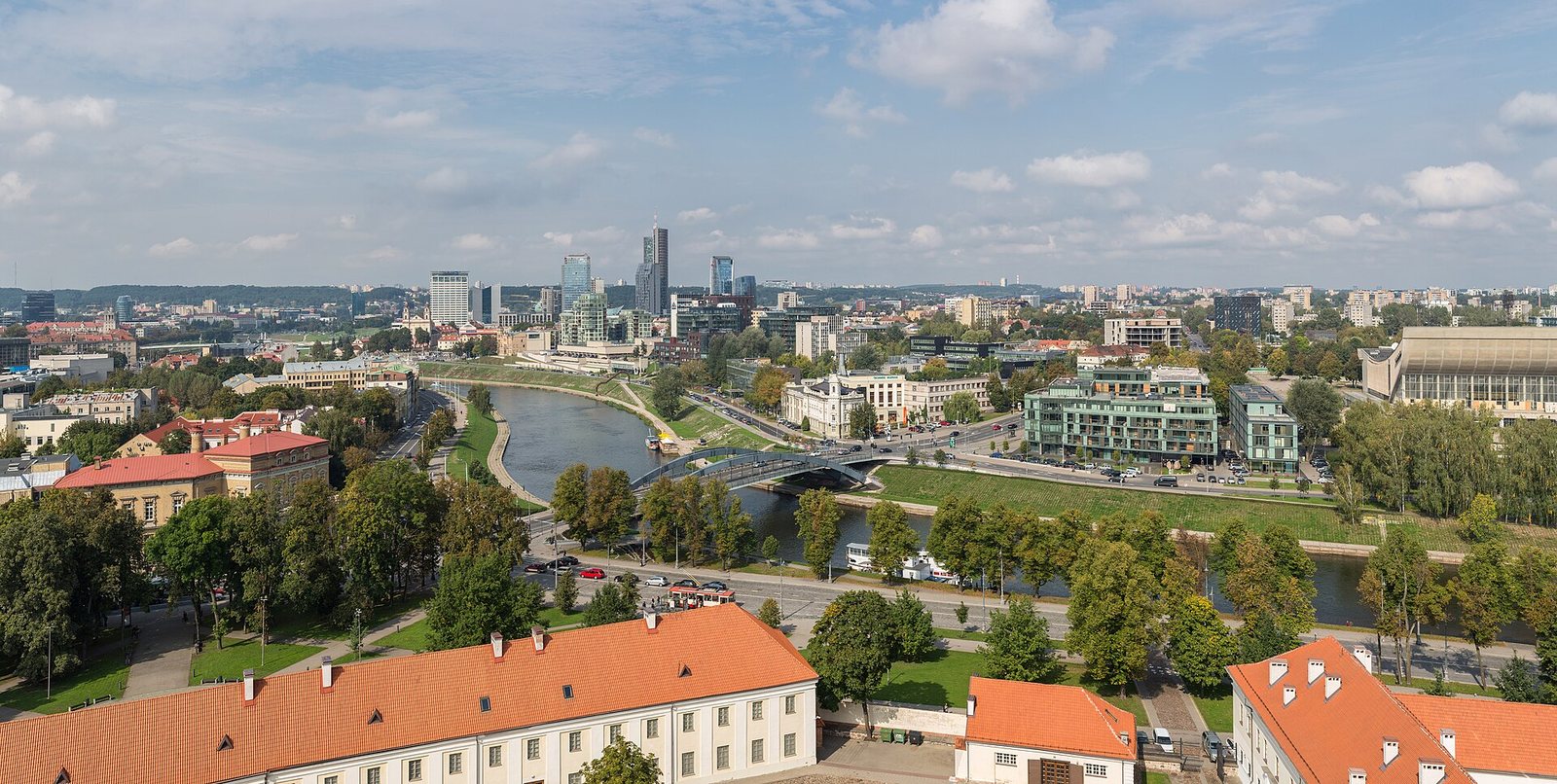
Vilnius surprises almost everyone. People expect grey Soviet blocks and find instead a soft coloured baroque town of domes, bell towers and hidden courtyards, framed by forested hills. It was the capital of the Grand Duchy of Lithuania, once one of the largest states in Europe, and for centuries one of the great centres of Jewish learning, known as the Jerusalem of the North. Today it is young, green and creative, with good coffee, inventive restaurants and a calm pace.
The Old Town
Start at **Cathedral Square**, with the white neoclassical cathedral and its free standing bell tower. Behind it stands the rebuilt **Palace of the Grand Dukes**, whose museum explains the medieval state. Walk or ride the funicular up **Castle Hill** to **Gediminas Tower**, the symbol of the city, for the classic view, especially at sunset.
From the square, **Pilies street** leads south through the heart of the Old Town past Vilnius University, whose courtyards and bookshop are worth a look, to the **Town Hall** and **Didžioji street**. Keep going to the **Gate of Dawn**, the last surviving city gate, where a chapel holds a revered icon of the Virgin Mary. Along the way, look into the Orthodox **Church of the Holy Spirit**, St Casimir's Church, and the lovely **St Anne's Church**, a Gothic jewel in moulded brick.
A little out of the centre, the **Church of St Peter and St Paul** in Antakalnis has a plain outside and an interior of some two thousand white stucco figures. It is one of the finest baroque interiors in the region.
Užupis and the hills
Cross a small bridge over the Vilnia and you are in **Užupis**, the self declared artists' republic. Its playful constitution hangs on a wall in many languages, and the district has galleries, cafés and leafy lanes. Climb nearby to the **Hill of Three Crosses** in Kalnų Park for another wide view, and walk on to the romantic **Bernardine Cemetery** above the river.
History and museums
The **Museum of Occupations and Freedom Fights** sits in the former KGB building, with cells in the basement, and explains the Soviet and Nazi occupations and the partisan war. The **Vilna Gaon Museum of Jewish History** tells the story of Jewish Vilnius and the Holocaust, and the **Paneriai Memorial** in the forest on the edge of town marks where tens of thousands were murdered. For art, the **MO Museum** shows Lithuanian art from the 1960s onwards in a striking modern building, and the **National Gallery of Art** covers the twentieth century.
Food and drink
Try **cepelinai**, large potato dumplings filled with meat or curd and served with sour cream and bacon, **šaltibarščiai**, a bright pink cold beetroot soup for summer, and **kibinai**, Karaite pastries. **Halės Market** is good for bread, cheese and smoked meats. Vilnius also has a strong modern food scene, natural wine bars and craft beer, including rare farmhouse ales from northern Lithuania.
Where to stay
The **Old Town** puts you within walking distance of nearly everything, with options from hostels to grand historic hotels. **Užupis** is quieter and artsier. **Naujamiestis**, the new town to the west, has modern hotels and the station area is handy for early trains, though it is less charming.
Getting around
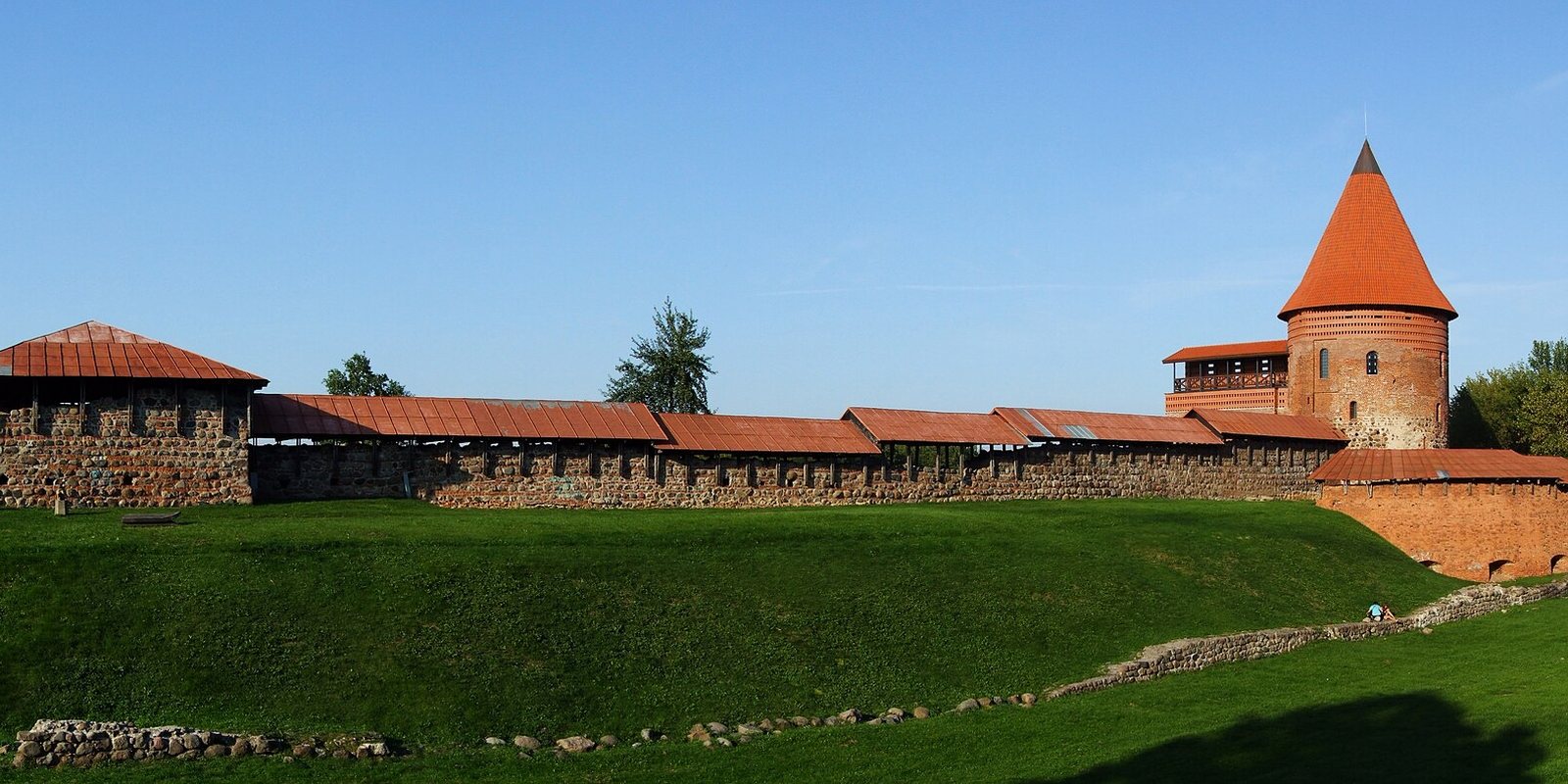
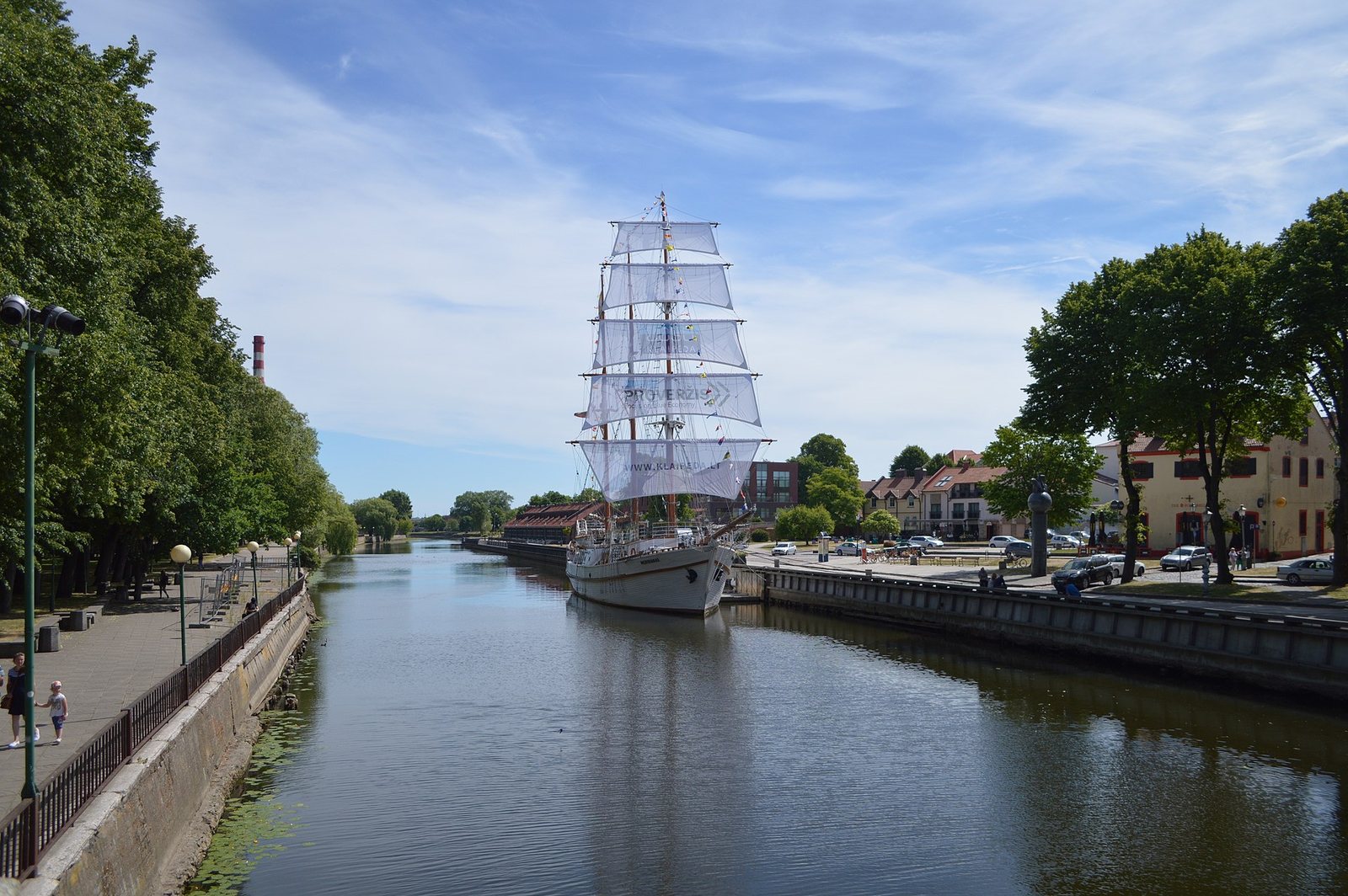
The centre is best on foot. Buses and trolleybuses cover the rest of the city, and you can pay by contactless card or the official ticket app. Ride hailing apps such as Bolt work well. Trains and buses from the station run to Trakai, Kaunas and Klaipėda.
Day trips
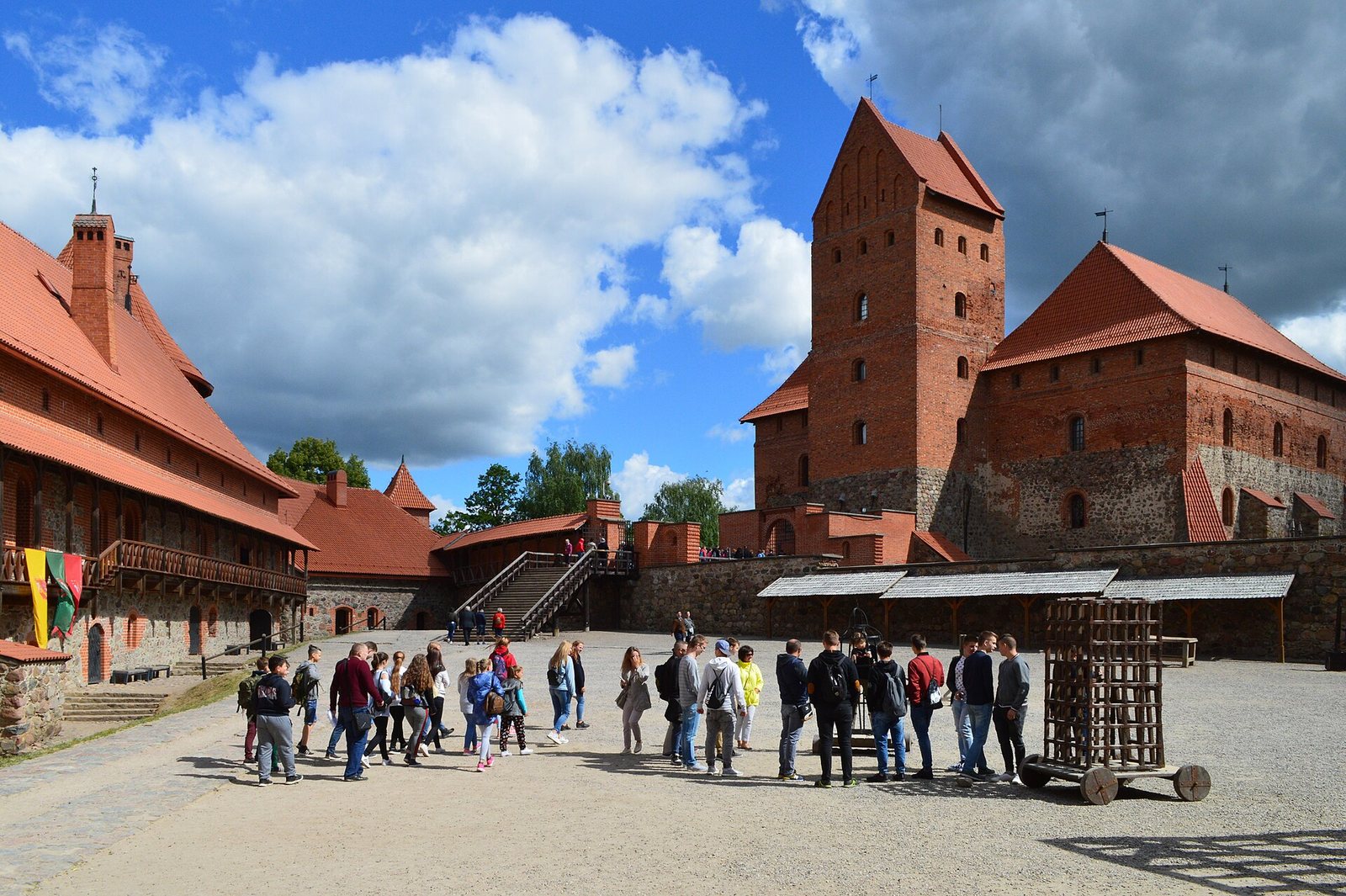
**Trakai** with its island castle is the classic day trip. **Kernavė**, the ancient capital with its hill forts, and **Europos Parkas**, an open air sculpture park near the geographic centre of Europe, are close. A longer day takes you to the **Hill of Crosses** near Šiauliai.
Safety
Vilnius is generally safe. Watch your bag in busy areas and on night buses, check your bill in late night bars, and use official taxis or apps after dark.
Questions about Vilnius
How many days do I need in Vilnius?
Two full days covers the Old Town, Užupis and the main museums. Add a day for Trakai, and another for Kernavė or Europos Parkas.
Is Vilnius worth visiting in winter?
Yes, especially in December when the Christmas tree on Cathedral Square and the lights are lovely. It is cold and dark, so pack properly warm clothes.
How do I get from Vilnius Airport to the Old Town?
A short train runs to the main station, city buses run into the centre, and ride hailing apps are quick. The trip takes around fifteen to twenty minutes.
Is Vilnius good for Jewish heritage travel?
Yes. The Vilna Gaon Museum, the Paneriai Memorial and walks through the former ghetto streets help visitors understand the city's Jewish history.
Facts checked . Fees, schedules and entry rules change, so always confirm the latest with the official source.