At a glance
- Best for
- Architecture, art, history and a student vibe
- Airport
- Kaunas Airport (KUN), around twenty minutes from the centre
- Time needed
- One to two days
- Best season
- May to September
- Getting around
- Walking, buses, trolleybuses and ride hailing apps
- Good base for
- Rumšiškės open air museum, Pažaislis and the Nemunas valley
Why go
Kaunas is often skipped for Vilnius, which is a mistake. When Poland took Vilnius in 1920, Kaunas became Lithuania's temporary capital, and the young state built ministries, banks, cinemas and homes in a confident modernist style. Those buildings, together called **Modernist Kaunas**, were listed by UNESCO in 2023. Add a medieval old town, excellent museums, street art and a lively café scene, and Kaunas easily earns a night or two.
The Old Town
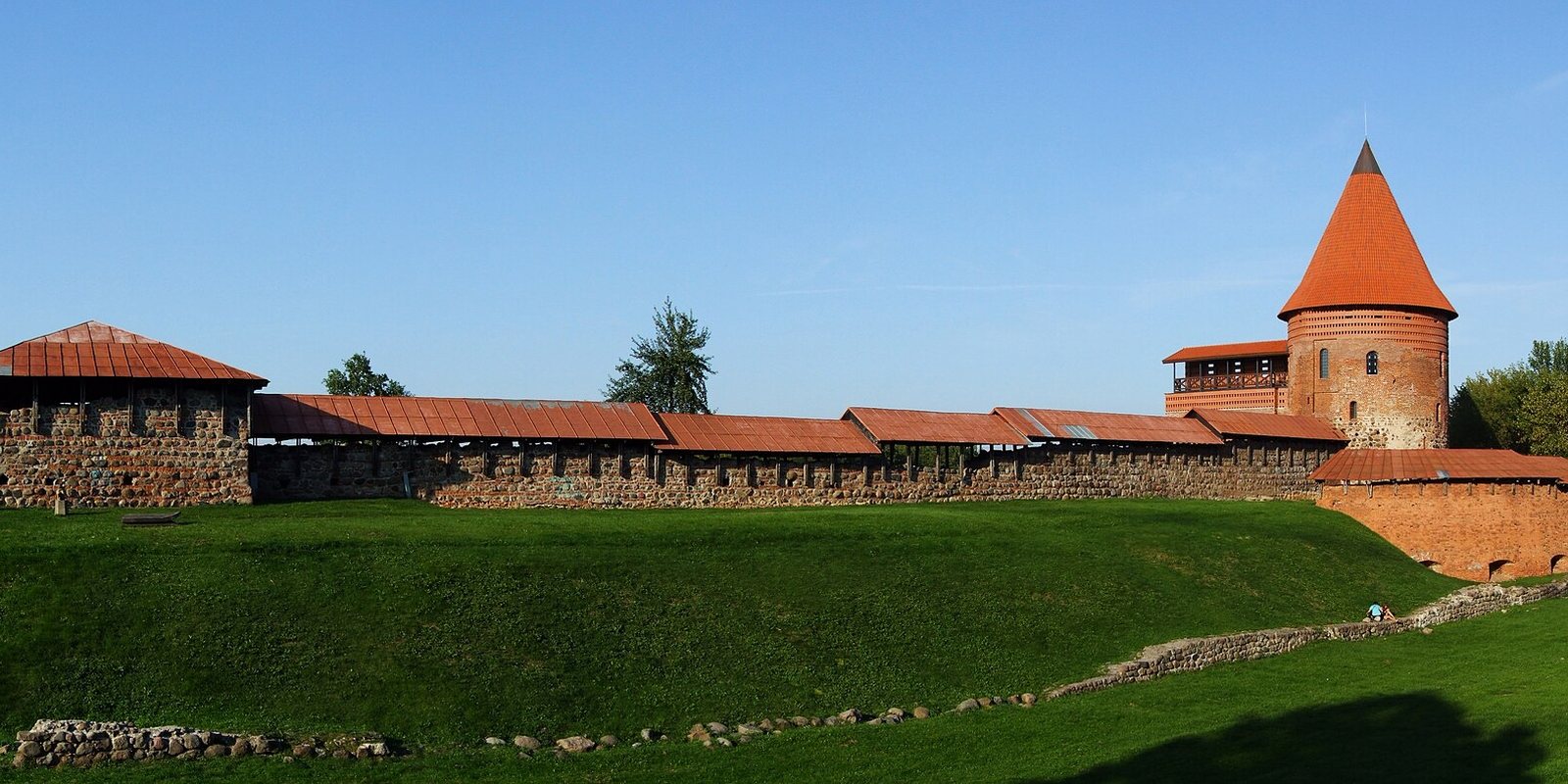
Start at **Kaunas Castle**, the oldest stone castle in the country, at the meeting of the two rivers in **Santaka Park**. Walk to **Town Hall Square**, dominated by the elegant white Town Hall, nicknamed the White Swan. Around it are Gothic churches, including the red brick **Perkūnas House** and the **Vytautas Church** above the river, and the cathedral basilica.
Laisvės alėja and the new town
From the old town, Vilniaus street leads into **Laisvės alėja**, Freedom Avenue, a long pedestrian boulevard of lime trees, cafés and shops. At its end stands the blue domed **St Michael the Archangel Church**. The streets around it are where you will see the best interwar architecture: the Central Post Office, the Pažanga building and many apartment blocks. Look out for the **Wise Old Man** mural near the old town, one of the city's many large artworks.
Museums
The **M. K. Čiurlionis National Museum of Art** holds the dreamlike paintings of Lithuania's best loved artist and composer, often with his music playing. Across the road, the **Devils' Museum** has thousands of devil figures from around the world, a charming and slightly mad collection that children love. The **Vytautas the Great War Museum** displays the wreck of the Lituanica, the plane in which two Lithuanian American pilots tried to fly from New York to Kaunas in 1933.
The **Ninth Fort**, on the edge of the city, was a tsarist fortress that became a prison and then a site of mass murder under the Nazis. A vast concrete memorial stands over the field. It is a deeply moving place. In Žaliakalnis, the **Sugihara House** honours the Japanese diplomat who issued visas that let thousands of Jewish refugees escape in 1940.
Žaliakalnis and the views
Ride the **Žaliakalnis funicular**, running since 1931, up the green hill to the white modernist **Christ's Resurrection Church**. Its rooftop terrace is one of the best viewpoints in the city.
Outside the city
The baroque **Pažaislis Monastery** by the Kaunas reservoir has Italian frescoes and summer music. The **Rumšiškės Open Air Museum**, east of the city, gathers wooden farmhouses, churches and windmills from every region of Lithuania and is one of the largest such museums in Europe.
Food and drink
Kaunas has a young food scene: creative tasting menus, Asian influenced kitchens, good bakeries and craft beer bars. Old school doughnut shops are a local tradition. The central market has fresh produce, cheese and smoked fish.
Where to stay
The **Old Town** is the most atmospheric base. **Naujamiestis**, around Laisvės alėja, is central, close to museums and has more choice.
Getting there
Trains from Vilnius take a little over an hour and run frequently. Buses link Kaunas with Klaipėda, Riga and Warsaw. Kaunas Airport has low cost flights to many European cities.
Tips
Kaunas is hilly in places, so wear comfortable shoes for Žaliakalnis. Many museums close on Mondays, and some on Tuesdays too, so check opening days before you plan. In late spring the city fills with festivals, including Kaunas Jazz, and the long summer evenings are perfect for terraces along Laisvės alėja and walks by the confluence of the rivers.
Questions about Kaunas
Is Kaunas worth visiting if I have seen Vilnius?
Yes. Its interwar modernism, Čiurlionis museum, Ninth Fort and relaxed feel are very different from Vilnius.
Can I do Kaunas as a day trip from Vilnius?
Yes, trains take a little over an hour. A night lets you add the Ninth Fort or Pažaislis without rushing.
What is Modernist Kaunas?
The interwar buildings from Kaunas's time as temporary capital, listed by UNESCO in 2023.
Is the Ninth Fort suitable for children?
It is a Holocaust memorial and museum with difficult content. Older children can visit with preparation.
Facts checked . Fees, schedules and entry rules change, so always confirm the latest with the official source.