At a glance
- Best for
- Rainforest, wildlife and true wilderness
- Gateway
- Monrovia, then a long road trip via Greenville or Zwedru
- Time needed
- Four to seven days including travel
- Best season
- December to March
- Getting around
- On foot with park rangers and guides
- Managed by
- Forestry Development Authority
Why Sapo matters
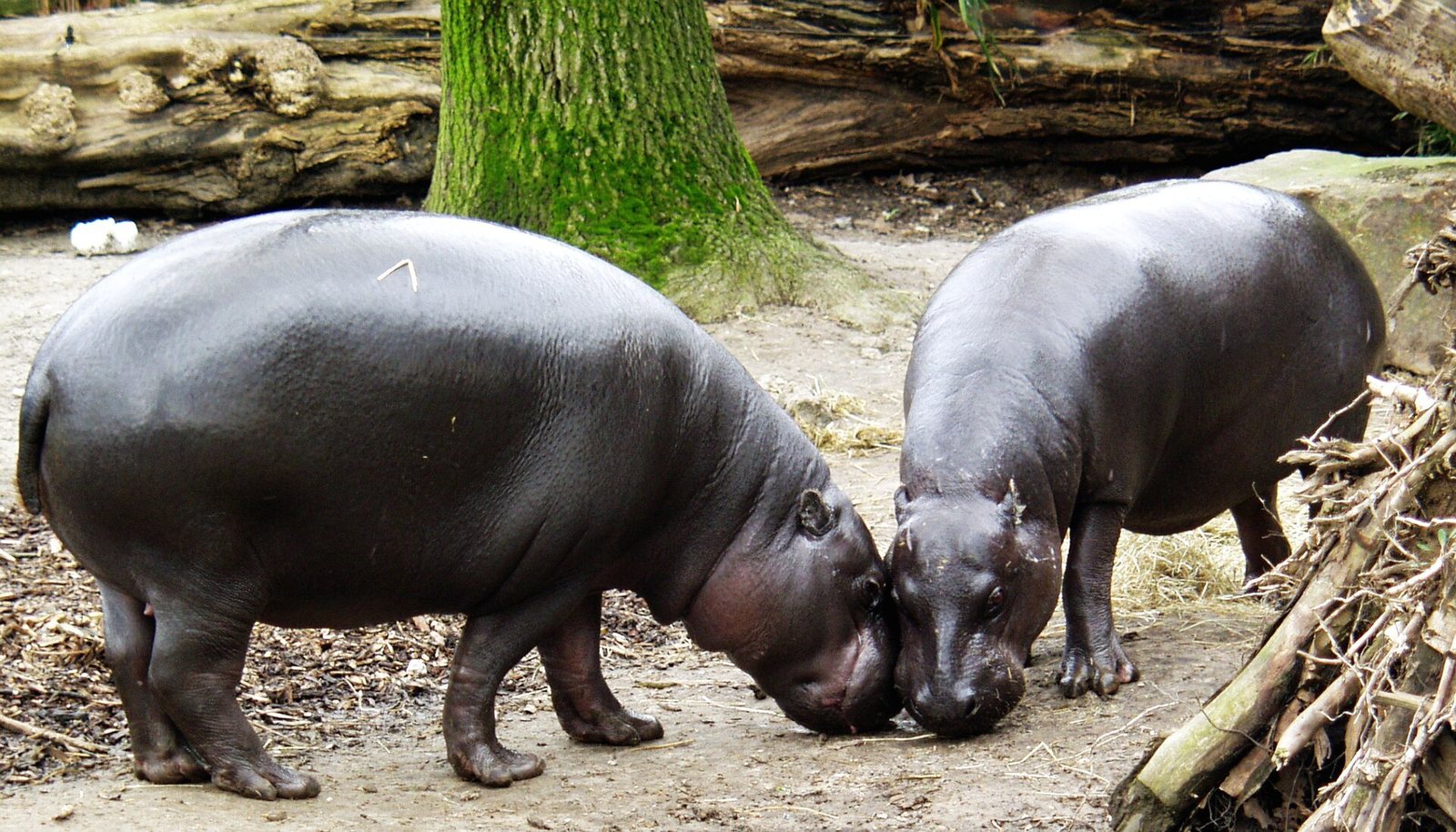
The Upper Guinean forests once stretched from Guinea to Ghana. Most have been cut, and Liberia now holds a large share of what remains. Sapo, created in 1983, is the heart of it. Its forest has never been heavily logged, and scientists consider it one of the best places in the world for the **pygmy hippo**, a shy, nocturnal animal found only in this part of West Africa.
The park survived the civil wars, illegal mining and hunting pressure, and it is managed today by Liberia's **Forestry Development Authority** with support from conservation partners and the surrounding communities.
What you can see
Wildlife watching in a rainforest is very different from a savanna safari. Animals are shy and the canopy is thick, so you hear far more than you see. On a good trip you might spot:
- **Chimpanzees**, often heard drumming and calling before you see them.
- **Monkeys** such as Diana monkeys, sooty mangabeys and red colobus.
- **Forest elephant** signs, such as tracks and dung, and very occasionally the animals themselves.
- **Duikers**, small forest antelopes.
- **Birds**, including hornbills and the striking white necked picathartes in rocky areas.
- **Pygmy hippo** tracks along streams. Seeing one is extremely rare.
The forest itself is the main attraction: giant trees, buttress roots, streams, butterflies and the constant sound of life.
How a visit works
There is no tourist infrastructure in the usual sense. Visits are arranged with the Forestry Development Authority and local community guides, usually starting from a ranger post on the park edge. Expect to walk for hours on narrow, muddy trails, cross streams and camp in simple conditions. You need your own food, water purification, camping gear or a hammock, and a good deal of patience.
Some conservation organisations and specialist operators in Monrovia can help with logistics. Contact the Forestry Development Authority well ahead of time to ask about permits and current access.
Getting there
Sapo is in Sinoe County in the southeast. From Monrovia it is a long journey by road, often two days, either via Greenville on the coast or through the interior via Zwedru. Roads are rough and can be impassable in the rains. Travel in a sturdy vehicle with an experienced driver and only in daylight.
When to go
The driest months, roughly December to March, are the only sensible time for most visitors. Even then, expect rain, heat, humidity and mud.
What to bring
- Light, quick drying clothes, long sleeves and trousers, and sturdy boots.
- Insect repellent, malaria tablets as advised by your doctor and a first aid kit.
- A head torch, dry bags, a water filter and plenty of snacks.
- All the cash you will need, in small notes.
Who Sapo suits
Sapo is for experienced, fit travellers who are comfortable with basic camping and uncertainty, and who care about conservation. If you want an easier taste of the forest, a day trip to the forests near Monrovia or a stay at Libassa Ecolodge may suit better.
Compare with our other Liberia destinations and use the free trip planner to fit a forest trip into your dates.
Questions about Sapo National Park
Can tourists visit Sapo National Park?
Yes, but visits are basic and need planning. Contact the Forestry Development Authority in advance about permits, guides and current access.
Will I see a pygmy hippo in Sapo?
Probably not. They are shy and mostly active at night. You are far more likely to see tracks, monkeys and birds, and to hear chimpanzees.
When is the best time to visit Sapo?
The driest months, roughly December to March, when roads are passable and trails are less muddy.
Are there lodges in Sapo National Park?
No. Expect simple camping with guides and rangers, and bring your own food and equipment.
Facts checked . Fees, schedules and entry rules change, so always confirm the latest with the official source.