At a glance
- Best for
- Old town strolls, waterfalls, photography and slow travel
- Distance from Riga
- About two and a half hours by bus
- Time needed
- One full day or one night
- Best season
- May to September, and April for leaping fish
- Getting around
- Walking, with buses to nearby towns
- Nearby
- Sabile, Kandava, Ventspils and Pāvilosta
Why go
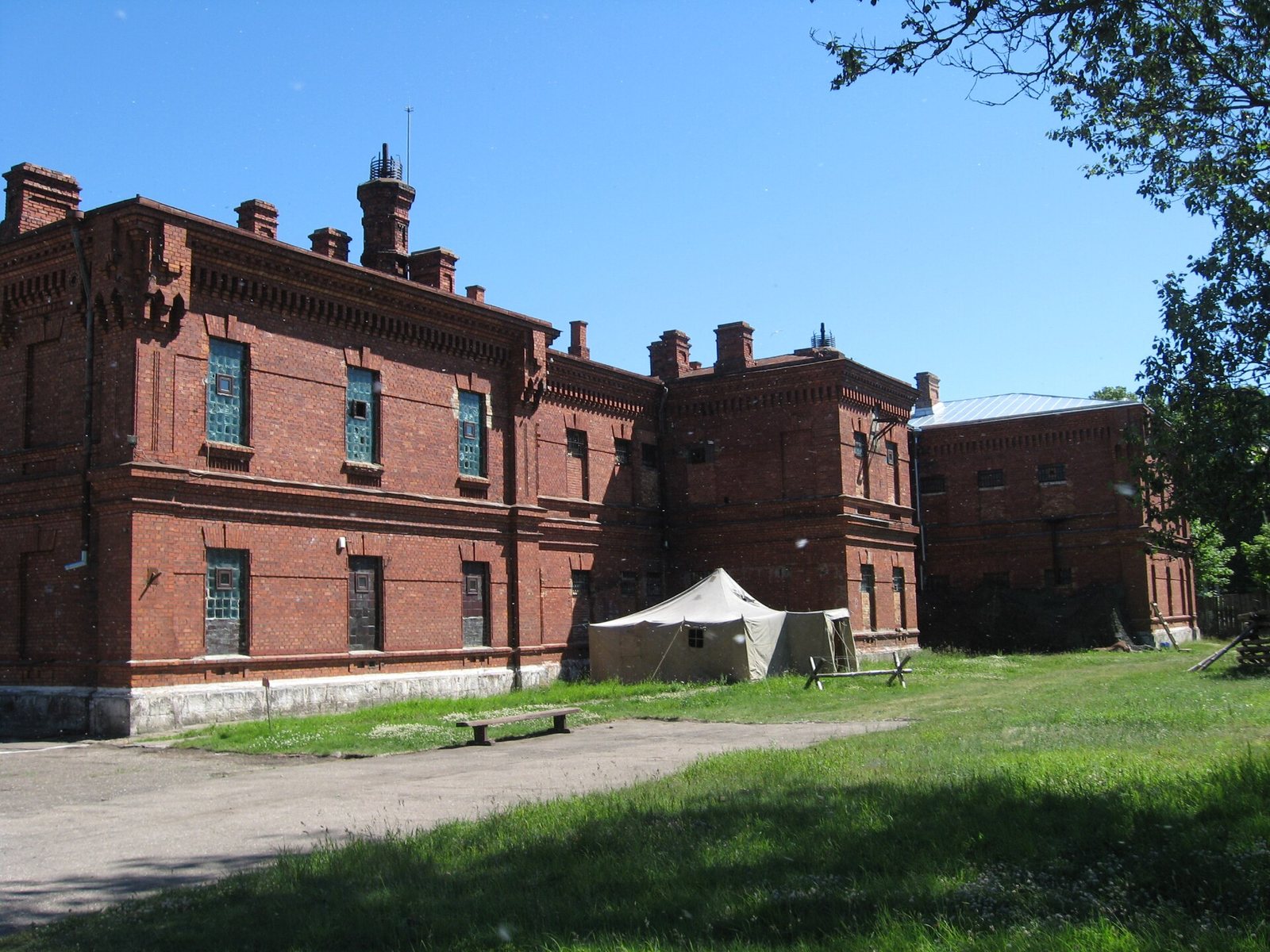
Kuldīga was once a capital of the Duchy of Courland, a small but ambitious state that even held colonies in the Caribbean and Africa in the seventeenth century. The town kept its scale and character through the centuries that followed, and its streets of timber and brick buildings have barely changed. It is quiet, friendly and perfect for a slow day, with excellent cafés and guesthouses for an overnight stay.
The Venta Rapid
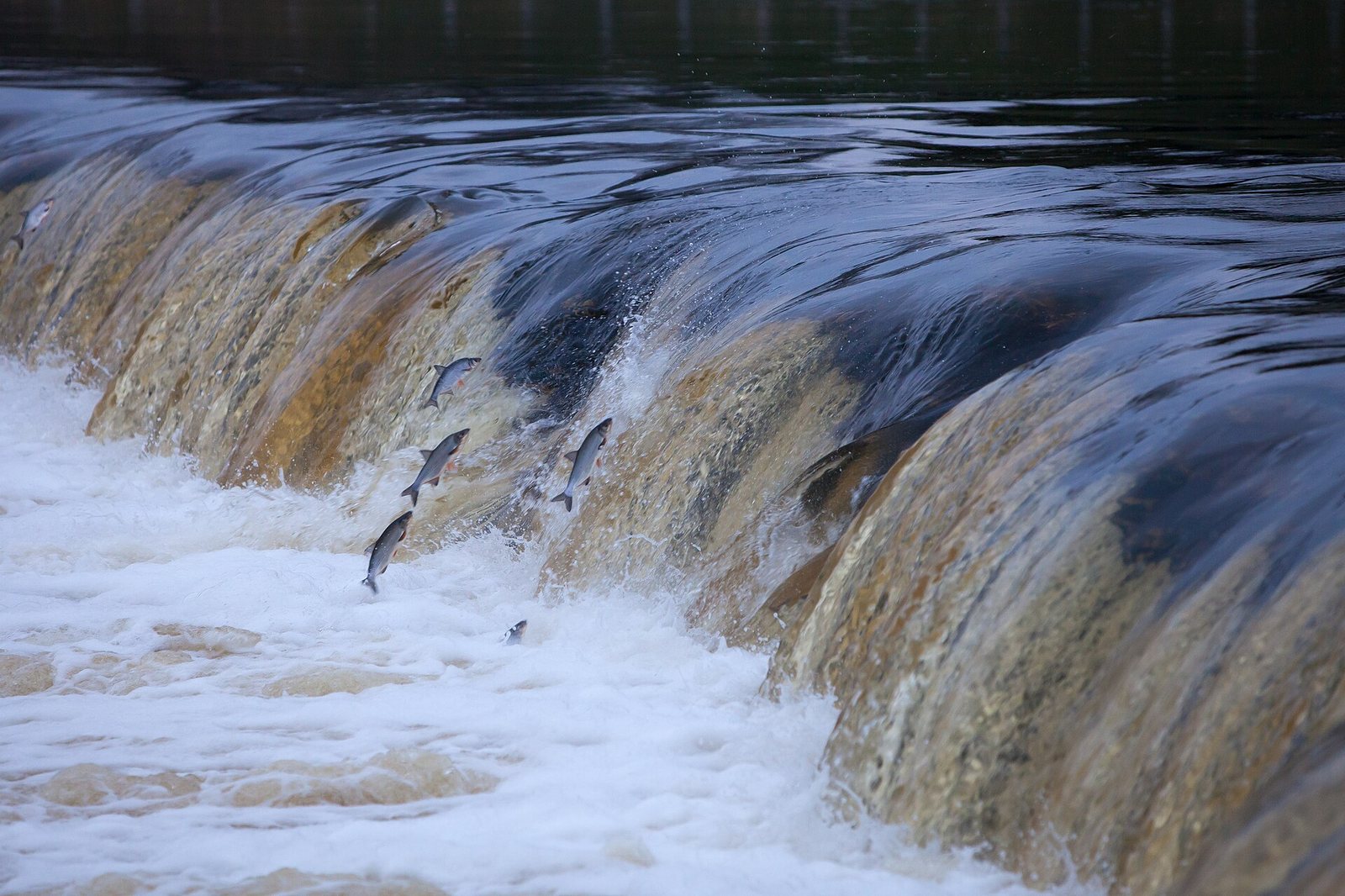
The **Venta Rapid**, called Ventas rumba, is the widest waterfall in Europe. It is only a couple of metres high but stretches right across the river in a long, pale ledge. In spring, vimba fish leap up the falls on their way upstream, a sight that has amazed visitors for centuries; the town was once known as the place where you could catch fish in the air. In warm summer weather, locals wade across the shallow top of the falls, though you should only try it when the water is low and calm and you are confident on slippery rock.
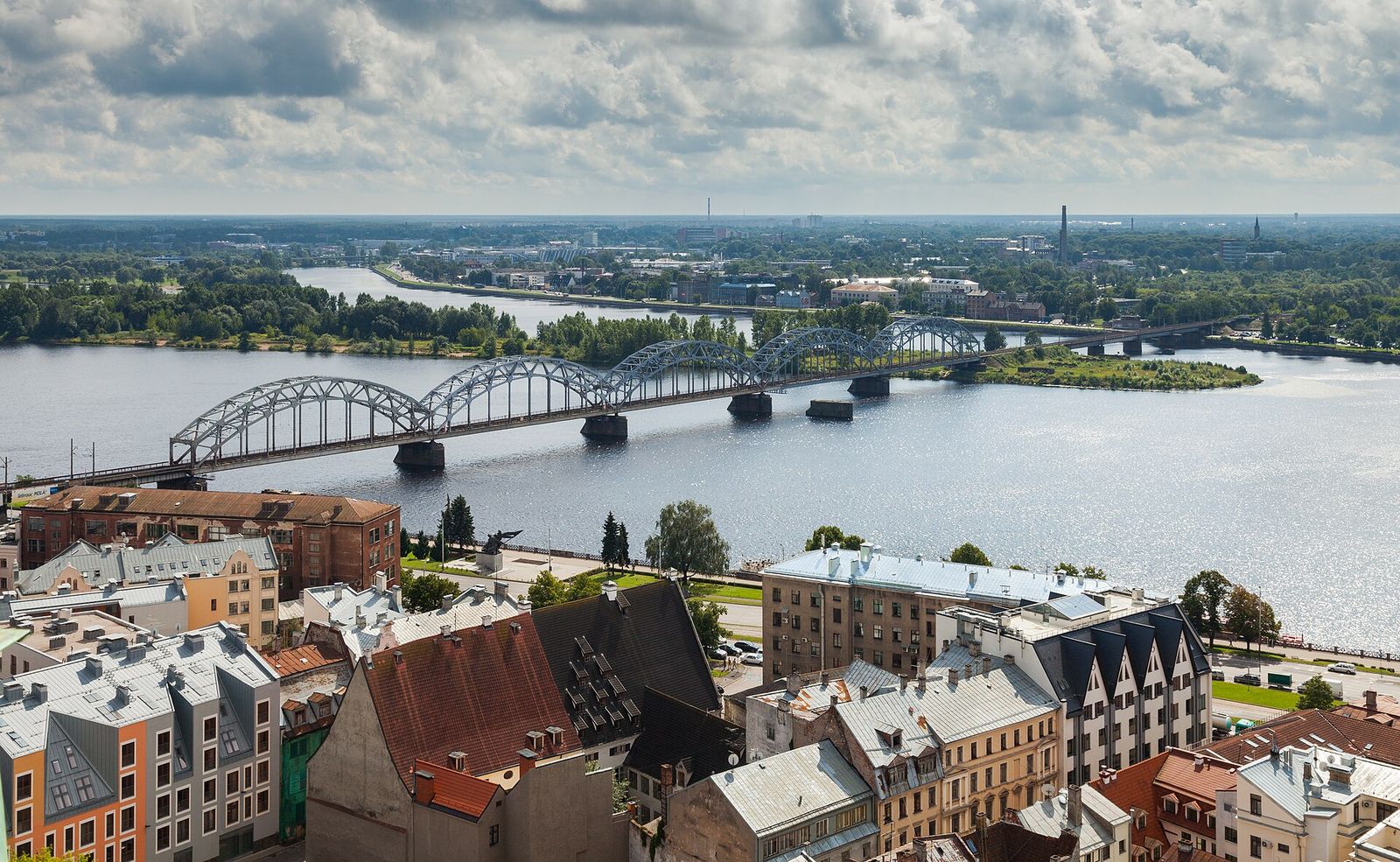
The **old brick bridge** across the Venta, built in the nineteenth century, is one of the longest bridges of its kind in Europe and frames the falls beautifully. Walk along both banks for the best views.
The old town
The old centre is a joy to wander. Look for the **Alekšupīte**, a small river that flows between houses through the town and drops over the **Alekšupīte waterfall**, the tallest in Latvia, near the town centre. **Baznīcas iela**, the area around the town hall square and the streets near **St Catherine's Church** are full of wooden houses with tiled roofs, carved doors and small courtyards. The **Kuldīga District Museum**, in a villa above the river, covers local history and has an unusual collection of playing cards.
Sand caves and nature
On the edge of town, the **Riežupe Sand Caves** are a network of hand dug tunnels in white sandstone, visited by candlelight. They are cool even in summer, so bring a layer, and check opening times before you go as they are seasonal. River walks follow the Venta upstream and downstream, and the riverside meadows are lovely for a picnic.
Nearby
An easy drive or bus ride east, **Sabile** has a **wine hill**, one of the most northerly open air vineyards in the world, and the small **Abava Rapid**. **Kandava** has a pretty old town on the Abava, and **Pedvāle Open Air Art Museum** near Sabile places sculptures across a rolling landscape. To the west, the coast at **Pāvilosta** offers surfing and empty beaches, and **Ventspils** to the north is a tidy port with a castle and beaches.
Food and drink
Kuldīga has a handful of good cafés and restaurants, many serving smoked fish, Kurzeme style dishes and local beer. Try sklandrausis, a sweet rye tart with carrot and potato filling that comes from this region and is protected by the EU as a traditional speciality.
Where to stay
Stay in a small guesthouse or apartment in the **old town**, many of them in restored historic buildings. The town is very quiet at night, which is part of its charm.
Getting there and around
Buses run from Riga to Kuldīga in around two and a half to three hours, and there are links to Ventspils, Liepāja and Talsi. Once you arrive, everything in the old town and around the falls is walkable.
Questions about Kuldīga
Can I visit Kuldīga as a day trip from Riga?
It is possible, but long. A night in Kuldīga lets you enjoy the town in the quiet evening light and combine it with Sabile or the coast.
When can you see fish jumping at the Venta Rapid?
Usually in spring, often April and May, when vimba fish swim upstream. Timing depends on water temperature.
Is it safe to walk across the Venta Rapid?
Locals do it in summer when water is low, but the rock is slippery. Only cross in calm conditions, wear sturdy sandals and never go when the water is high.
Why is Kuldīga a UNESCO site?
Its old town was listed in 2023 as an outstanding example of a traditional town shaped by the Duchy of Courland, with its streets and timber buildings well preserved.
Facts checked . Fees, schedules and entry rules change, so always confirm the latest with the official source.