At a glance
- Best for
- Temples, food, crafts, waterfalls and slow days
- Airport
- Luang Prabang International Airport (LPQ)
- Time needed
- Three to four days
- Best season
- November to March
- Language
- Lao, with English common in tourism
- Getting around
- On foot, bicycle, tuk tuk or ride app
Why go
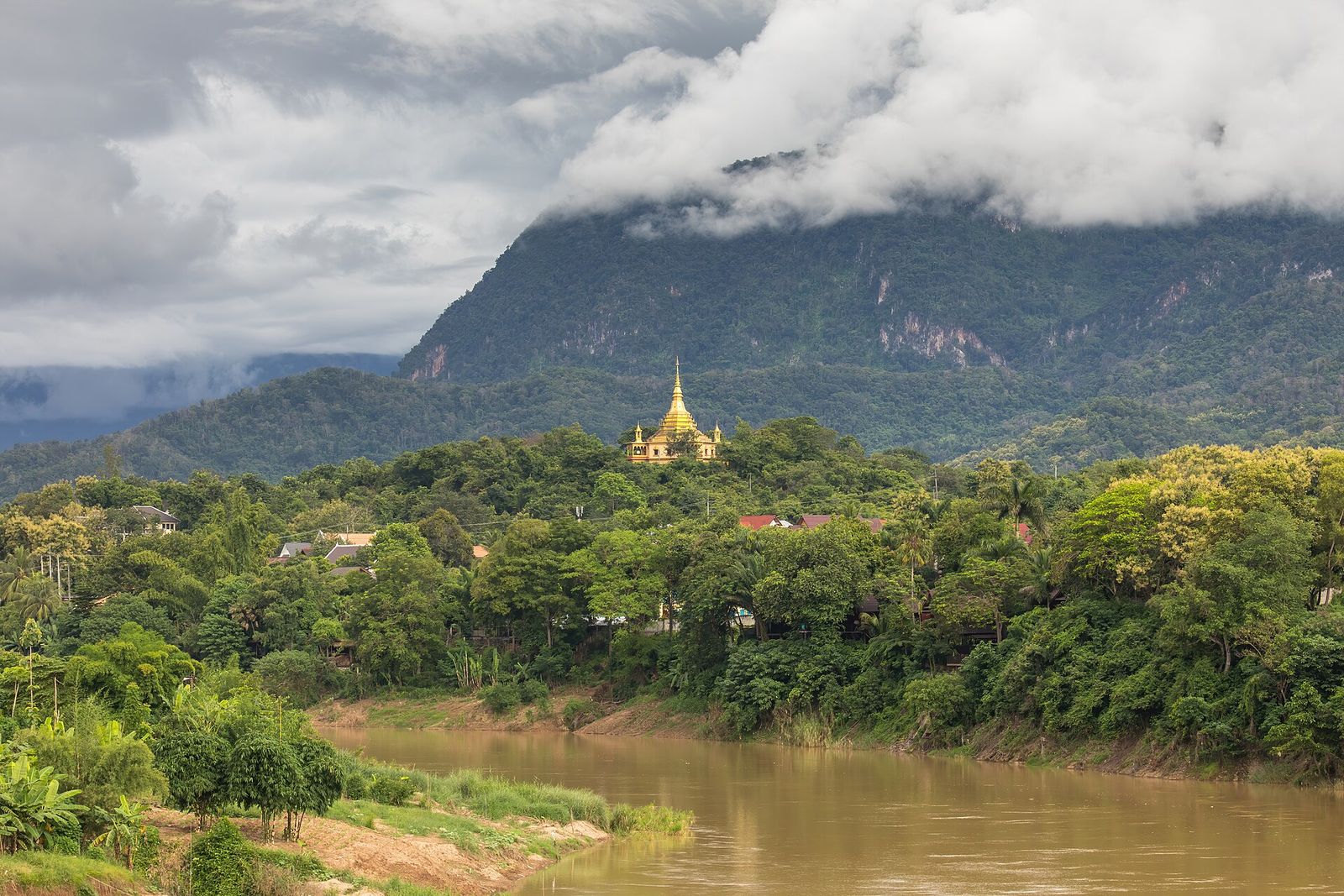
Few towns in Asia feel as calm and as well kept as Luang Prabang. More than thirty temples sit within walking distance of each other, many still home to novice monks who sweep the courtyards and chant at dusk. The streets are quiet enough to cycle, the cafés are excellent, and the food mixes royal Lao cooking with French bakeries. Around the town lie waterfalls, caves, weaving villages and green hills, so a few days here never feel repetitive.
The temples and the palace
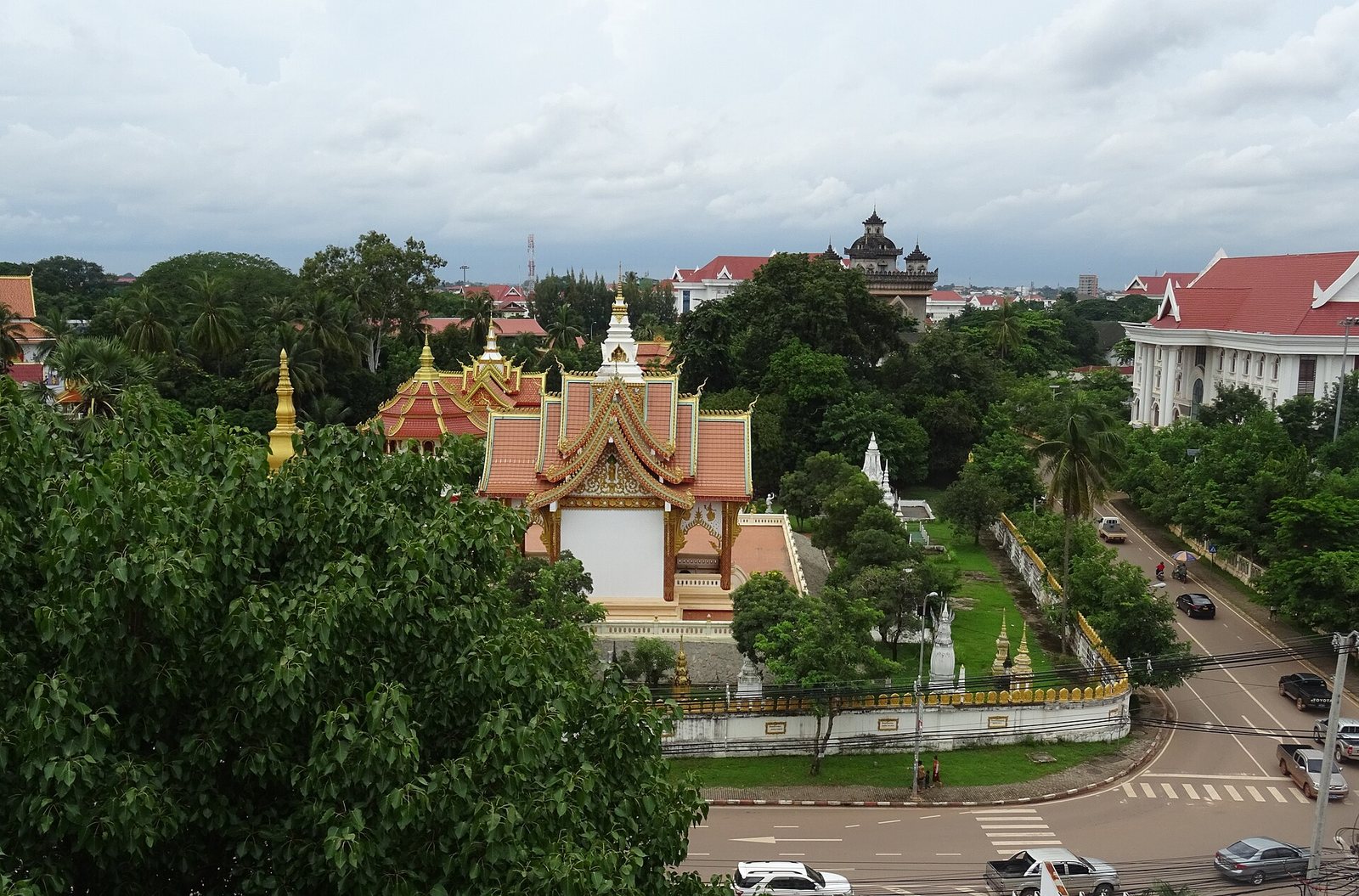
Start with Wat Xieng Thong at the tip of the peninsula, built in the sixteenth century, with low sweeping roofs and a glittering mosaic of the tree of life on its back wall. The Royal Palace Museum, known as Haw Kham, shows how the last kings lived and holds the Pha Bang, the gold Buddha image the town is named after. Wat Mai, Wat Visoun and Wat Sene are all worth a stop. Climb the steps of Mount Phousi in the late afternoon for the sunset view over the rivers, but go early, as the small summit gets crowded.
The alms giving
Every morning around dawn, lines of monks walk barefoot through the streets collecting sticky rice from kneeling locals. This is Tak Bat, a daily religious ritual, not a show. If you watch, stand back on the opposite side of the street, stay silent, never use flash and never step into the line. Only take part if it matters to you, dress modestly, and buy rice from a proper source rather than street sellers pushing poor quality baskets. Many locals prefer that visitors simply watch quietly from a distance.
Waterfalls, caves and the river
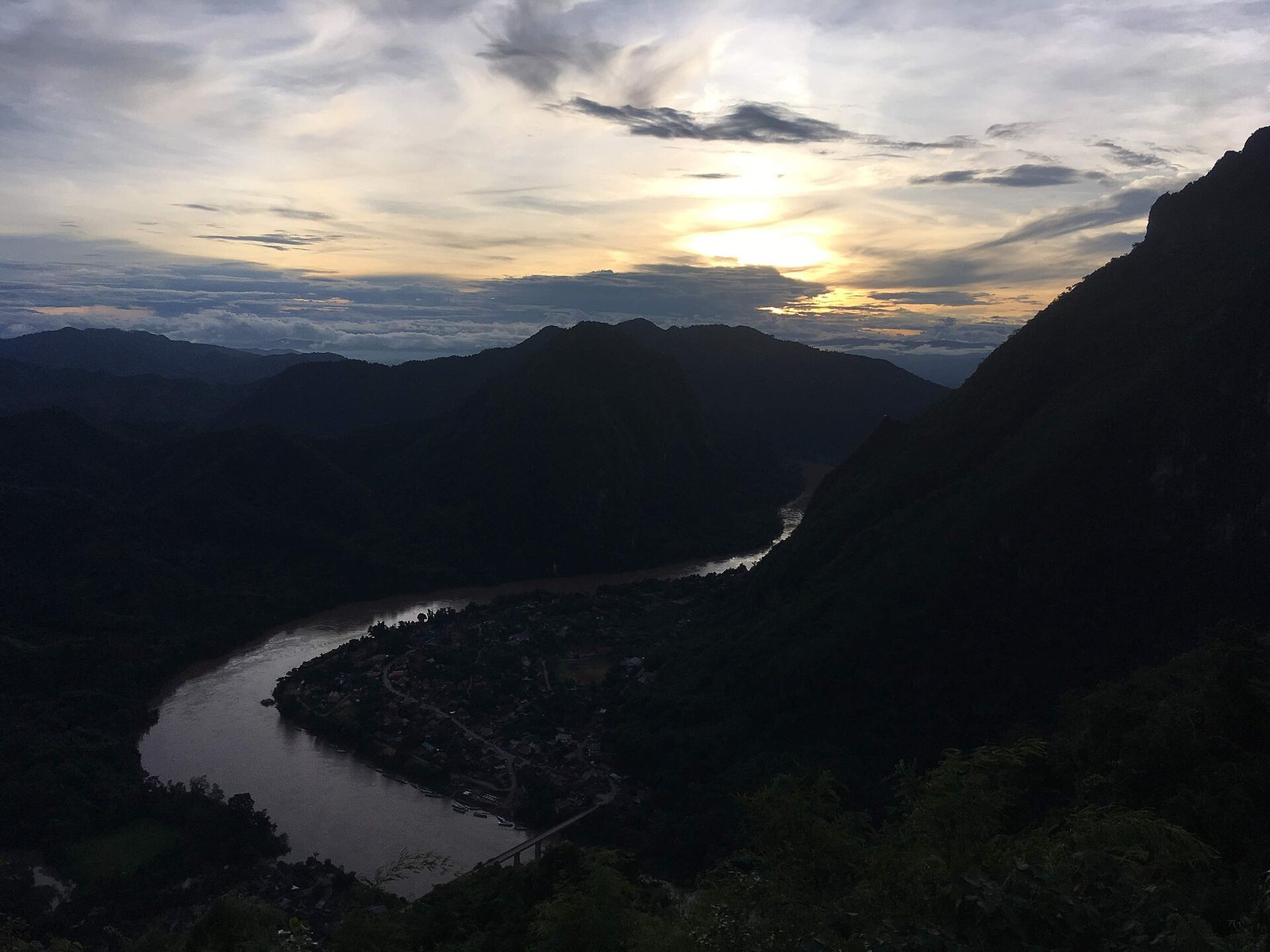
Kuang Si Falls, about an hour south of town, is the highlight for many: layered turquoise pools in the forest where you can swim in the lower basins. At the entrance, the Free the Bears rescue centre cares for bears saved from the wildlife trade. Tad Sae is a gentler set of cascades, best in the wet season. By boat up the Mekong you reach the Pak Ou Caves, two caves filled with thousands of Buddha images, often combined with a stop at a riverside weaving or whisky village. A sunset cruise on the Mekong is an easy, lovely evening.
Culture, crafts and learning
The Traditional Arts and Ethnology Centre is the best place to learn about the many ethnic groups of northern Laos. Ock Pop Tok runs weaving and natural dye classes beside the river. In the evening, Garavek tells Lao folk tales to the sound of the khaen, the bamboo mouth organ, and classical dance is performed in the palace grounds. Big Brother Mouse lets you spend an hour chatting in English with young Lao people keen to practise.
Food and markets
Try khao soi Luang Prabang, a noodle soup with a rich tomato and pork sauce, or lam, a spicy stew with sakhan wood, sai oua sausage, and crispy kaipen river weed with jeow bong chilli paste. The morning market by the palace sells forest herbs, river fish and buffalo skin snacks. Every evening the night market fills the main street with textiles, paper lanterns and silver, and a small food alley nearby serves cheap buffet plates. Social enterprise restaurants train young people while serving good Lao food.
Where to stay
The peninsula is the most atmospheric area, with guesthouses and boutique hotels in old houses, all walkable. Across the Nam Khan or along the Mekong further out you find quieter resorts and better value. For luxury there are several renowned hotels in colonial buildings and garden settings. Book early for the dry season and for festival dates.
Getting there and around
Luang Prabang International Airport has flights from Bangkok, Hanoi, Siem Reap, Chiang Mai and other regional hubs, as well as Vientiane. The Laos to China railway links the town to Vang Vieng and Vientiane in a few hours; the station is outside town, so allow time for the ride in. The slow boat from Huay Xai on the Thai border takes two days on the Mekong. In town, walk or rent a bicycle; tuk tuks and ride apps cover trips further out.
Plan your days
Give it at least three full days: one for temples, the palace and Mount Phousi, one for Kuang Si, and one for the river, crafts and markets. Add a fourth to slow down, take a class or head to the Pak Ou Caves. For festival dates, see the destinations overview, and use the free trip planner to link the town with the rest of Laos.
Questions about Luang Prabang
How many days do I need in Luang Prabang?
Three to four days is ideal. That covers the temples, Kuang Si Falls, the Pak Ou Caves and the night market without rushing.
Can I swim at Kuang Si Falls?
Yes, in the marked lower pools. Some areas are closed for safety or to protect the travertine, so follow the signs and dress modestly when you leave the water.
How should I behave at the alms giving?
Stay quiet, keep your distance, do not use flash and never block the monks' path. Dress modestly and only give if it is meaningful to you.
Is Luang Prabang good for families?
Very. It is safe, walkable and calm, and the waterfalls, bears, boat trips and craft classes keep children busy.
Facts checked . Fees, schedules and entry rules change, so always confirm the latest with the official source.