At a glance
- Best for
- History, quiet beaches and a day away from the city
- Getting there
- Ferry from Ras Salmiya
- Time needed
- One full day
- Best season
- November to April
- Getting around
- On foot, bicycle or organised tours on the island
- Bring
- Water, sun protection, modest clothes and snacks
Why visit Failaka
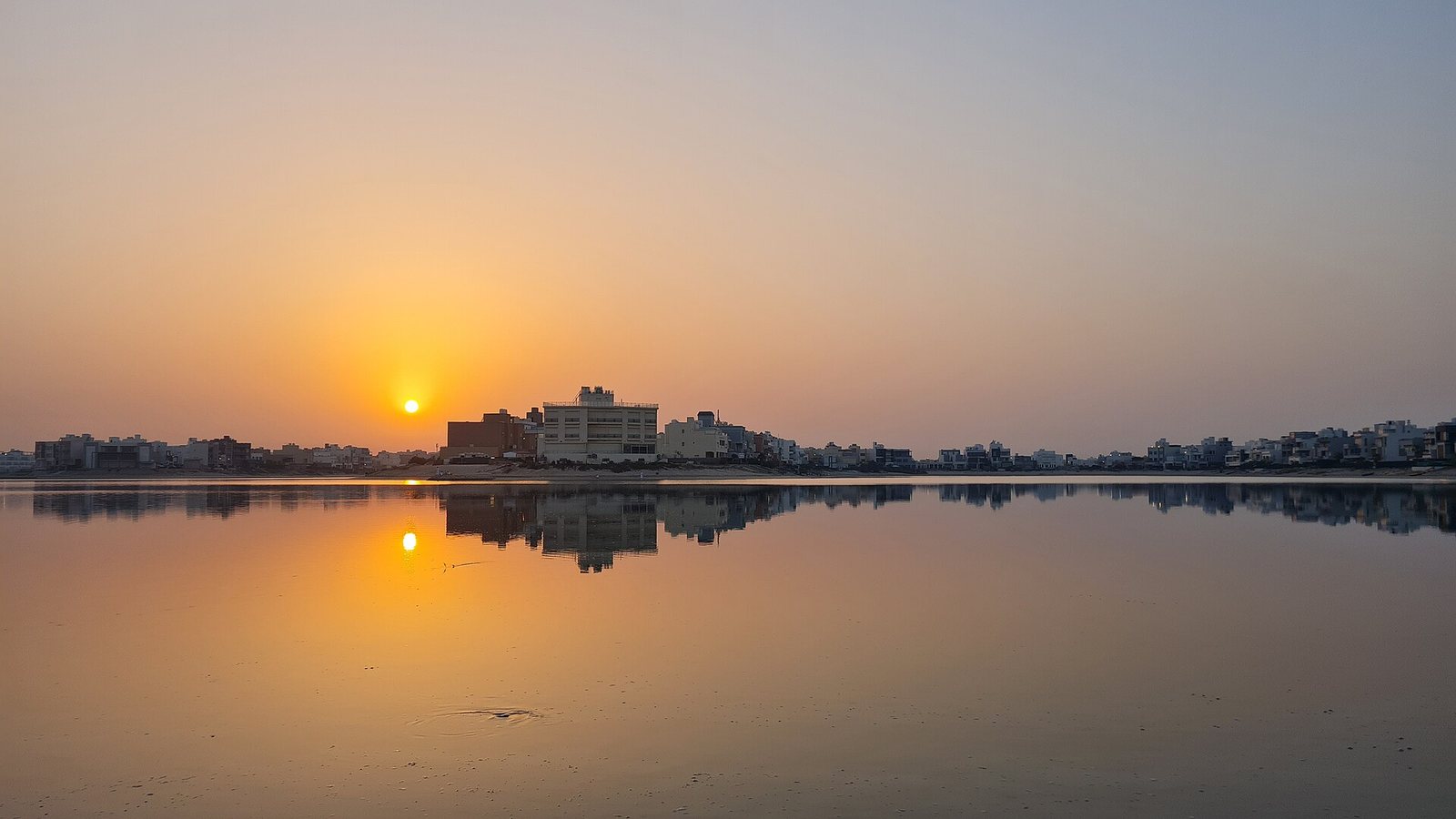
Failaka has been inhabited for over four thousand years. In the Bronze Age it was part of the Dilmun trading world that linked Mesopotamia with the Indus Valley. After Alexander the Great, Greek settlers built a fortress and temple on the island, which they called Ikaros. Later it held a Christian settlement and, for centuries, a fishing and farming village. Before 1990 around two thousand people lived here. During the Iraqi occupation the island was turned into a military base, and the residents never fully returned. Today it is quiet, open and wind swept, a striking contrast with the city across the water.
Getting there
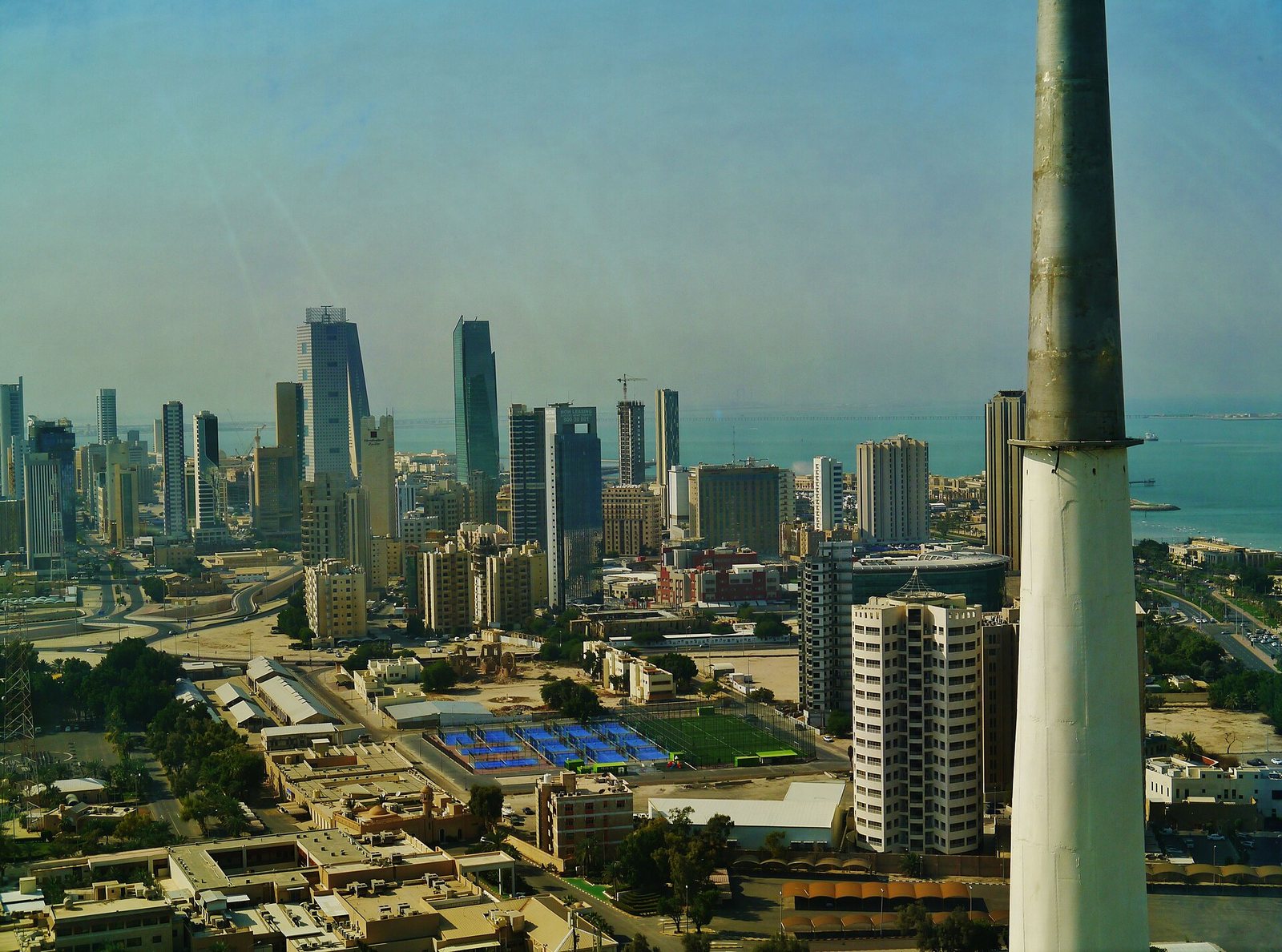
Ferries run from the port at Ras Salmiya to the island, carrying passengers and vehicles. The crossing takes around an hour to ninety minutes, depending on the boat, and gives fine views back to the Kuwait City skyline. Schedules change by season and day, and weekends are busier, so check times with the ferry operator before you go and book ahead on Fridays and Saturdays. Bring your passport or official ID.
The Hellenistic temple and fortress
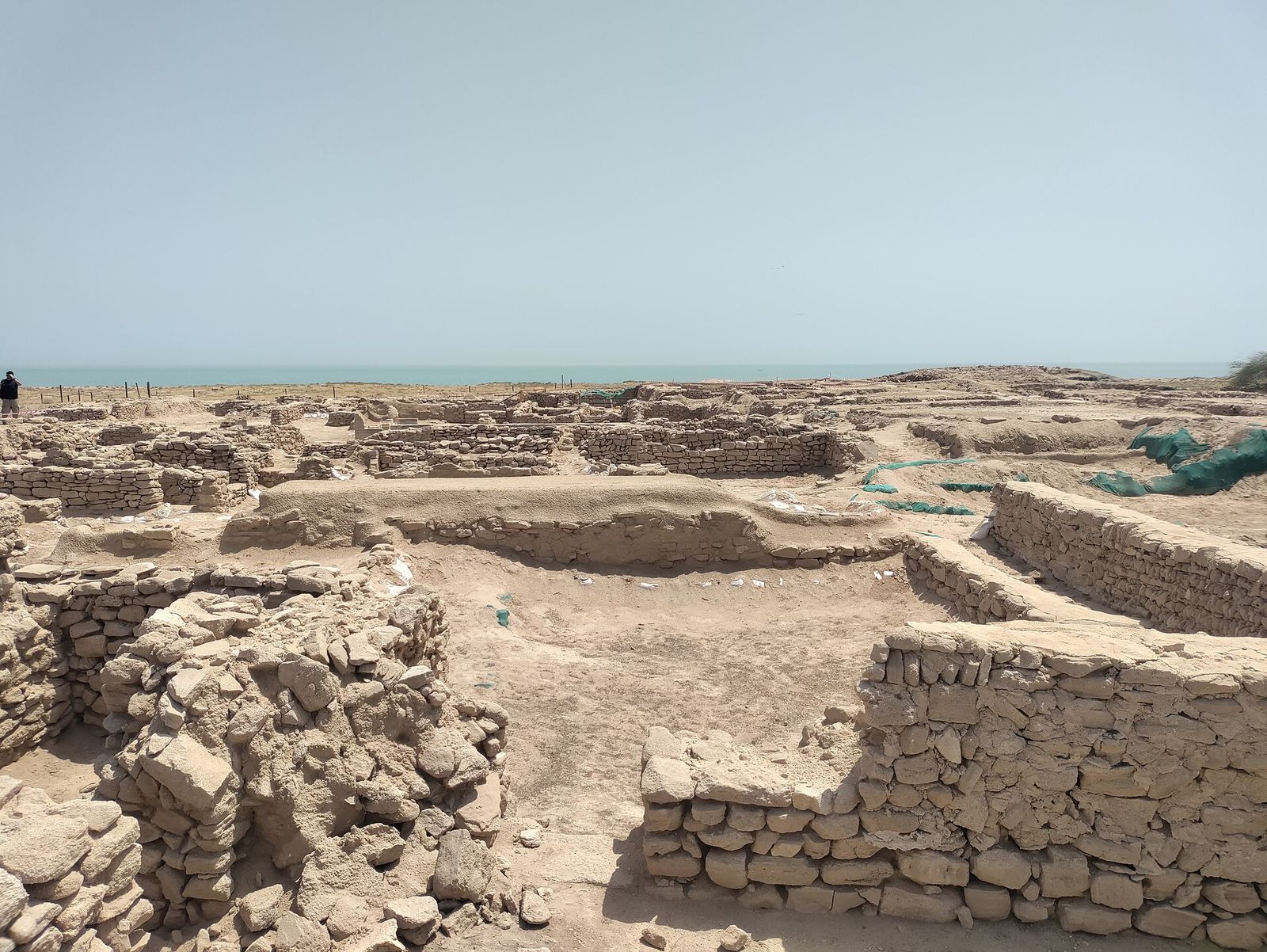
The most famous site is the Hellenistic settlement near the old port, where archaeologists uncovered a fortress and a small Greek temple from the third century BCE. An inscription found here, now in the national museum collections, records instructions from a Seleucid official to the island's people. The remains are low walls and column bases, so let your imagination do some of the work; an information panel helps.
Bronze Age Failaka
At Tell Saad and Tell Said, excavations revealed a Dilmun era settlement with a temple, houses and seals carved with animals and people. These finds show how Failaka sat on the old sea routes of the Gulf four thousand years ago. Many objects are displayed in Kuwait's museums, so a visit to the national museum before or after helps bring the site to life.
The village and the war
The old village of Al Zor and the abandoned houses near the shore are scarred with bullet holes and shell damage from 1990 and 1991. Rusting tanks and military remains have been left in places. Walking among them is moving and sobering. Stay on paths and roads: unexploded ordnance has been cleared from visitor areas, but do not wander into fenced or marked zones.
Beaches and the heritage village
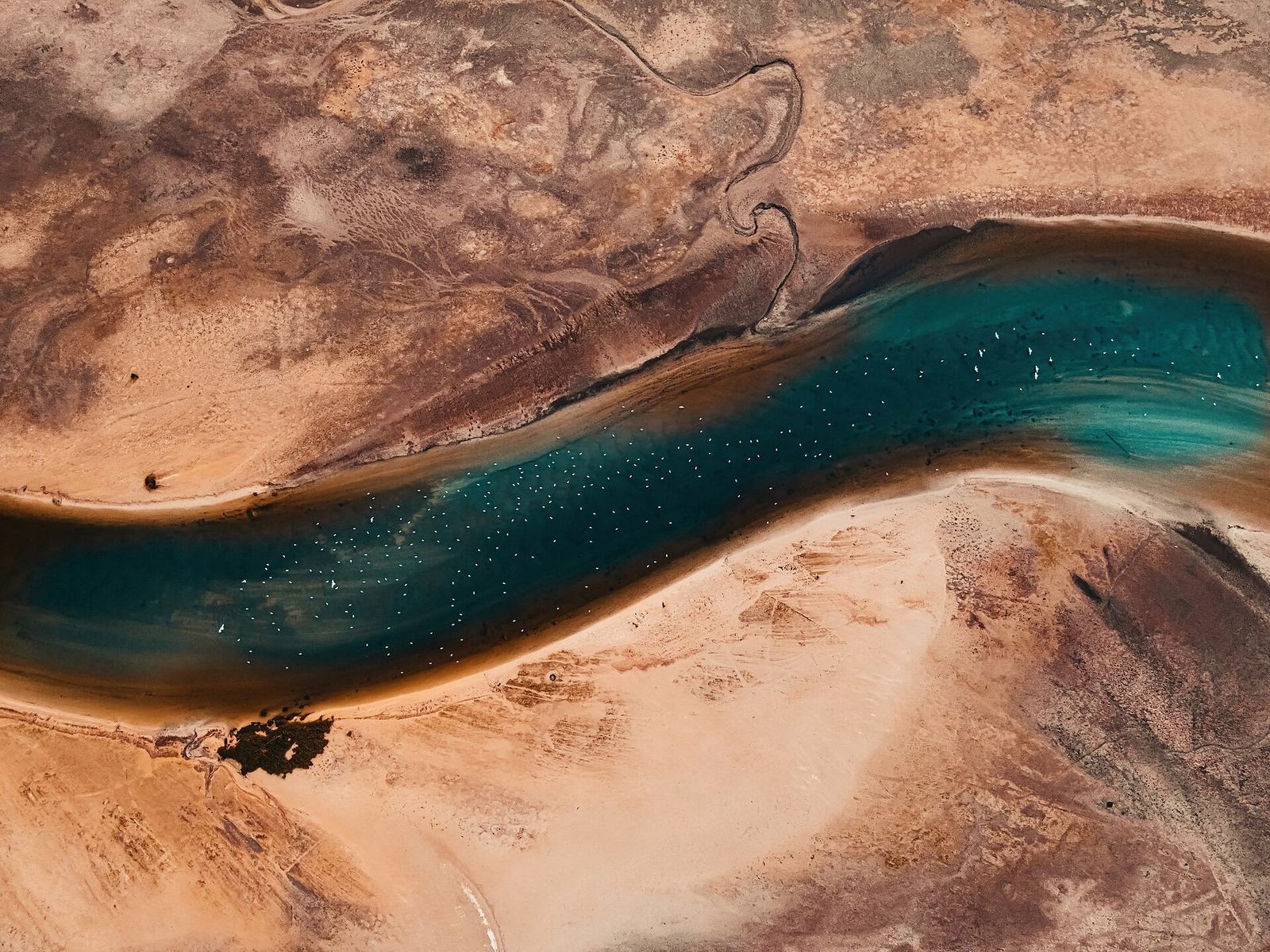
The island's beaches are sandy and quiet, with calm water ideal for a swim on a warm spring day. A heritage village area, when open, has traditional style houses, camel and horse rides and simple places to eat. Facilities on the island change often as development plans come and go, so take your own water, food and sun protection to be safe.
Tips for a good day
Leave early, especially from April onwards, when midday heat is intense. There is little shade among the ruins. Dress modestly and wear sturdy shoes. If you have your own transport on the ferry you can move between sites easily; otherwise, check whether island tours or bicycles are available when you book. Plan to be back on the ferry well before the last sailing.
Combine Failaka with a base in Salmiya, close to the ferry port, and use the free trip planner to fit it into your trip.
Questions about Failaka Island
How do I get to Failaka Island?
By ferry from Ras Salmiya. Crossings take around an hour or more. Check current times with the operator and book ahead on weekends.
Can I visit Failaka as a day trip?
Yes. Most visitors go for the day. Take an early ferry and return in the afternoon to avoid the worst of the heat.
Is Failaka safe?
Visitor areas are safe, but stay on roads and paths and keep out of fenced or marked areas left from the war.
Are there places to eat on Failaka?
Sometimes, but facilities change with the season. Bring water, food and sun protection to be safe.
Facts checked . Fees, schedules and entry rules change, so always confirm the latest with the official source.