At a glance
- Best for
- History, food, beaches and volcano hikes
- Airport
- Palermo (PMO) and Catania (CTA)
- Time needed
- One to two weeks
- Best season
- April to June and September to October
- Getting around
- Driving or tours are easiest; trains and buses link the main cities
- Good base for
- Cefalù, Monreale, Etna, the Aeolian Islands and Noto
Why go
Greeks, Romans, Arabs, Normans, Spaniards and Bourbons all ruled Sicily, and each left something behind, from temples and amphitheatres to couscous, marzipan and gold mosaics. The island combines that history with real everyday life, warm people and long beach days on three different seas.
Top things to do
- **Palermo.** The Norman Palace and Palatine Chapel, the cathedral, Quattro Canti and the street markets of Ballarò and the Vucciria. The Arab Norman sites are UNESCO listed.
- **Monreale and Cefalù.** The golden mosaics of Monreale Cathedral above Palermo, and the seaside town of Cefalù with its own Norman cathedral and sandy beach.
- **The Valley of the Temples, Agrigento.** A ridge of Doric temples, best at opening time or at sunset in summer.
- **Syracuse and Ortigia.** The Greek theatre and quarries of Neapolis, and the island old town of Ortigia with its Baroque cathedral built around a Greek temple.
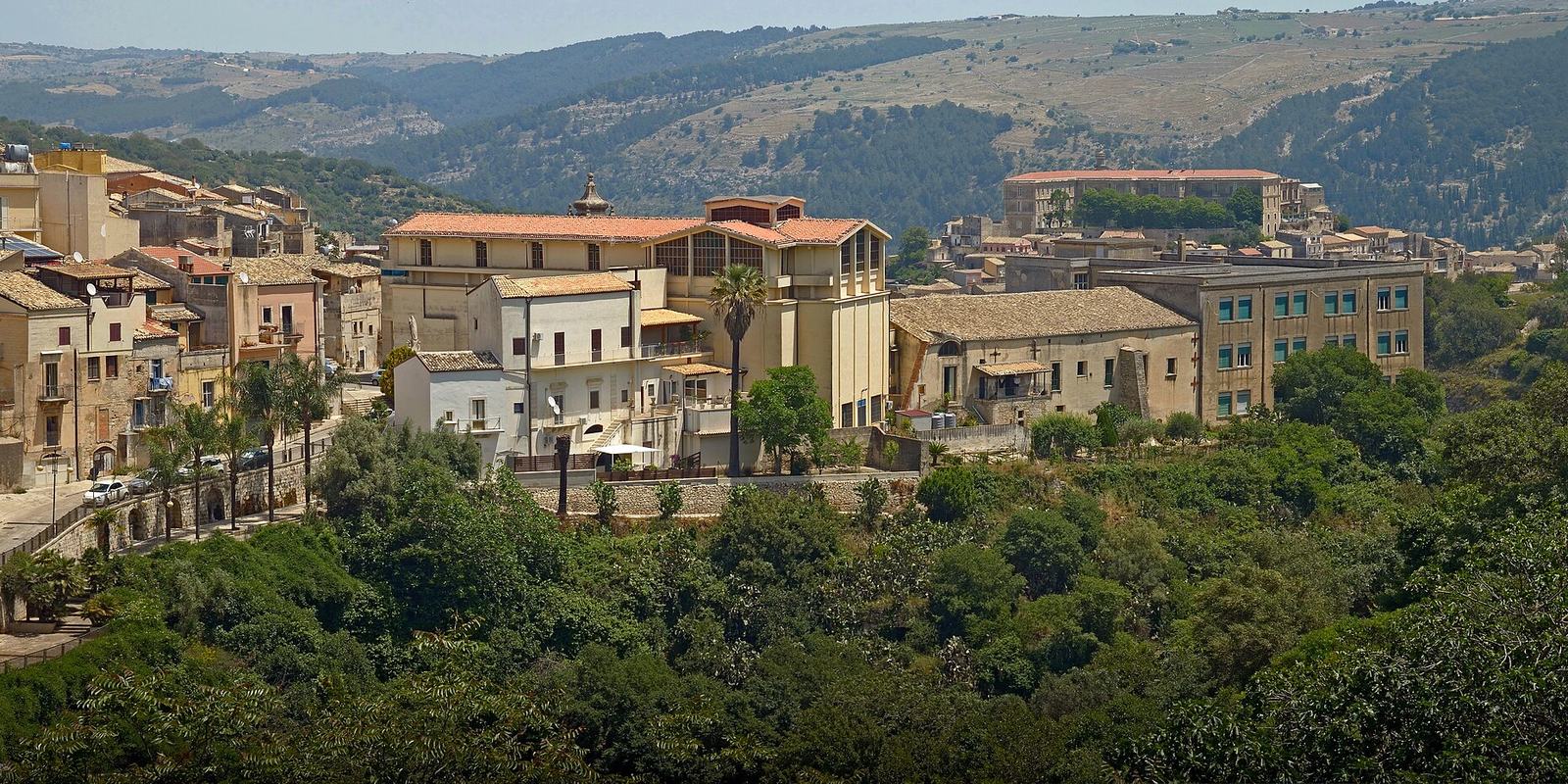
- **The Val di Noto.** Noto, Modica and Ragusa Ibla, honey stone Baroque towns rebuilt after the 1693 earthquake. Try Modica's grainy chocolate.
- **Mount Etna.** Europe's highest active volcano. Cable car and jeeps go up from the Rifugio Sapienza side, and the summit craters are only reached with authorised guides.
- **Taormina.** A clifftop town with an ancient theatre framing the sea and Etna. Lovely but busy in summer.
- **The Aeolian Islands.** Lipari, Salina, Vulcano and Stromboli, reached by hydrofoil from Milazzo.
What to eat
Arancine rice balls, panelle chickpea fritters and sfincione pizza on Palermo's streets; pasta alla Norma with aubergine in Catania; pasta con le sarde; caponata; fresh swordfish and tuna; cannoli and cassata; and granita with a brioche for breakfast in summer. Wines from Etna and Marsala are worth seeking out.
Where to stay
Split your time: **Palermo** or **Cefalù** for the west, **Ortigia** in Syracuse or **Taormina** for the east. Many travellers stay in farm stays or masserie in the countryside. Agrigento and the Val di Noto make good one or two night stops between them.
Getting around
Trains link Palermo, Catania, Messina, Syracuse and Agrigento but are slow on some lines. Intercity buses are often quicker. Driving gives the most freedom but city traffic and parking are hard; many visitors join tours for Etna and the temples instead. Flights from Rome and Milan are short, and overnight ferries arrive from Naples and Genoa.
Good to know
Summers are very hot, and wildfires and occasional ash closures at Catania airport from Etna can disrupt plans. Pickpockets work the busy markets. Many beach places close from November to March, but cities stay lively all year.
A sample ten day route
Start with three nights in Palermo, including a half day in Monreale and a day in Cefalù. Head south to Agrigento for the Valley of the Temples and the Scala dei Turchi, then east across the island to the Val di Noto for Noto, Modica and Ragusa Ibla. Spend two or three nights in Ortigia, Syracuse, then finish with Taormina and a guided day on Mount Etna before flying home from Catania. With extra days, add the Aeolian Islands by hydrofoil from Milazzo, or the salt pans and hill town of Erice near Trapani in the west. Leave at least one day free to simply enjoy the sea.
Questions about Sicily
How many days do I need in Sicily?
One week covers one side of the island well. Ten days to two weeks lets you see Palermo, the temples, the Baroque towns and Etna.
Should I fly into Palermo or Catania?
Palermo for the west and Cefalù, Catania for Etna, Taormina and Syracuse. Many travellers fly into one and out of the other.
Can I climb Mount Etna?
You can reach the upper slopes by cable car and jeep, and the summit craters only with authorised guides. Access changes with volcanic activity, so check local updates.
Facts checked . Fees, schedules and entry rules change, so always confirm the latest with the official source.