At a glance
- Best for
- Ancient history, art, churches and food
- Airport
- Rome Fiumicino (FCO), around thirty minutes by the Leonardo Express train
- Time needed
- Three to five days
- Best season
- April to June and September to October
- Getting around
- Walking, metro, buses, trams and taxis
- Good base for
- Ostia Antica, Tivoli, Orvieto and the Castelli Romani
Why go
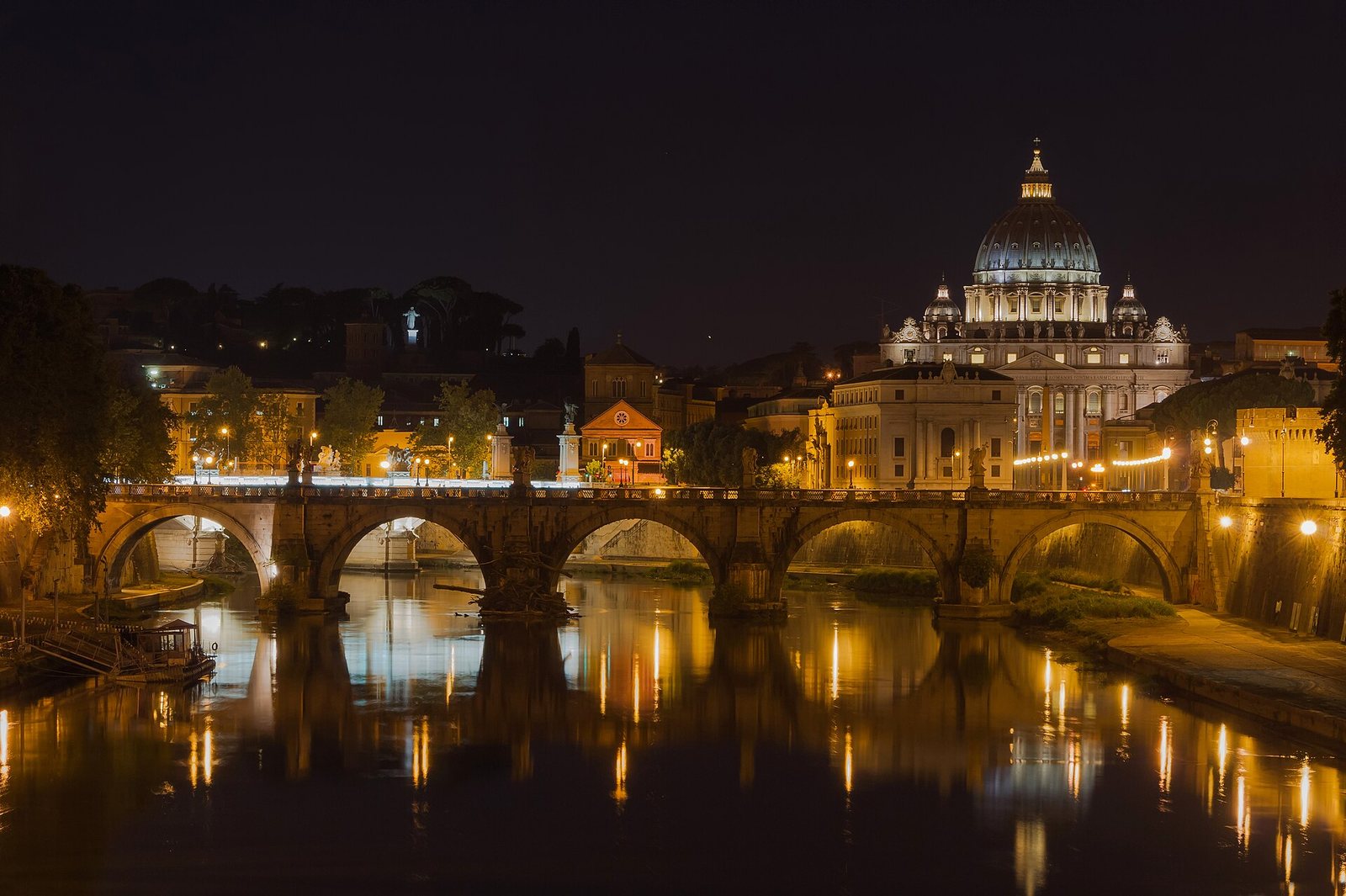
No other city holds so many layers of history in so small a space. Ancient Rome survives in the Colosseum, the Forum and the Pantheon; papal Rome in St Peter's and the Vatican Museums; Baroque Rome in the piazzas and fountains of Bernini and Borromini. Around them is a living capital of nearly three million people who still shop at the neighbourhood market and meet friends in the piazza.
Top things to do
- **The Colosseum, Roman Forum and Palatine Hill.** One combined ticket covers all three, with a timed entry slot for the Colosseum. Book on the official site and allow a full morning.
- **The Vatican Museums and Sistine Chapel.** Among the largest art collections in the world. Book a timed ticket well ahead, go early or on a late opening, and dress with covered shoulders and knees for St Peter's Basilica.
- **The Pantheon.** The best preserved building of ancient Rome, with its open oculus. A small entry fee now applies, so check the official site.
- **Piazza Navona, the Trevi Fountain and the Spanish Steps.** The classic walk through the historic centre, best early in the morning or late in the evening.
- **Galleria Borghese.** Bernini sculptures and Caravaggio paintings in a villa in the park. Entry is by booked slot only.
- **Trastevere and Testaccio.** Cobbled lanes, ivy and trattorias across the river, and the market neighbourhood that gave Rome many of its classic dishes.
- **The Appian Way.** Rent a bike and ride the ancient road past tombs and catacombs, a calm escape on a Sunday.
What to eat
Rome's four classic pastas are carbonara, cacio e pepe, amatriciana and gricia. Try supplì (fried rice balls), pizza al taglio by weight, carciofi alla giudia (fried artichokes) in the Jewish Ghetto, trapizzino pockets and maritozzi cream buns for breakfast. Lunch is usually from one, dinner from eight.
Where to stay
The **Centro Storico** around the Pantheon and Navona puts you within walking distance of most sights. **Monti** is lively and close to the Colosseum. **Trastevere** is charming and full of restaurants but noisy at night. **Prati**, near the Vatican, is calmer and well connected by metro. Rome charges a city tourist tax per person per night, paid at your stay.
Getting around
The centre is best on foot. The metro has three lines and is useful for the Vatican, the Colosseum and Termini station; buses and trams fill the gaps. Buy tickets before boarding or tap a contactless card at the gates. Only take white licensed taxis from official ranks, and confirm the fixed fare from the airport to the centre.
Day trips
**Ostia Antica**, Rome's ancient port, is a quieter Pompeii a short train ride away. **Tivoli** has Hadrian's Villa and the fountains of Villa d'Este. **Orvieto**, a hill town on a cliff, is about an hour by train. **Naples and Pompeii** are possible in a long day by fast train, though they deserve a night.
Good to know
Rome is hot from June to September, so plan outdoor sights early and rest in the afternoon. Watch for pickpockets on the 64 bus, the metro and around Termini. Sitting on the Spanish Steps and wading in fountains are banned and fined. Many churches are free, open in the morning and late afternoon, and close at lunchtime.
Questions about Rome
How many days do I need in Rome?
Three full days cover the ancient sites, the Vatican and the historic centre. Four or five let you add Borghese, Trastevere evenings and a day trip.
Should I book the Colosseum and Vatican in advance?
Yes. Both work on timed tickets that sell out in busy months. Book only on the official sites or with clearly licensed resellers.
Is Rome safe at night?
The centre is lively and generally safe at night. Keep an eye on bags around Termini and on crowded transport, and use licensed taxis.
Is the Rome Pass worth it?
It can be if you will use the transport and visit several paying sites in a short time. Compare it against the sites you plan to see before buying.
Facts checked . Fees, schedules and entry rules change, so always confirm the latest with the official source.