At a glance
- Best for
- Views, swimming, hiking and romance
- Airport
- Naples (NAP), then bus, ferry or private transfer to the coast
- Time needed
- Three to five days
- Best season
- May to June and September to early October
- Getting around
- Ferries, SITA buses and walking
- Good base for
- Capri, Pompeii, Herculaneum and Naples
Why go
Few coastlines look this dramatic. The Lattari mountains drop straight into the Tyrrhenian Sea, and for centuries the villages were reachable mostly by boat. The Republic of Amalfi was once a sea power, and its cathedral, paper mills and lemon terraces still tell that story.
Top things to do
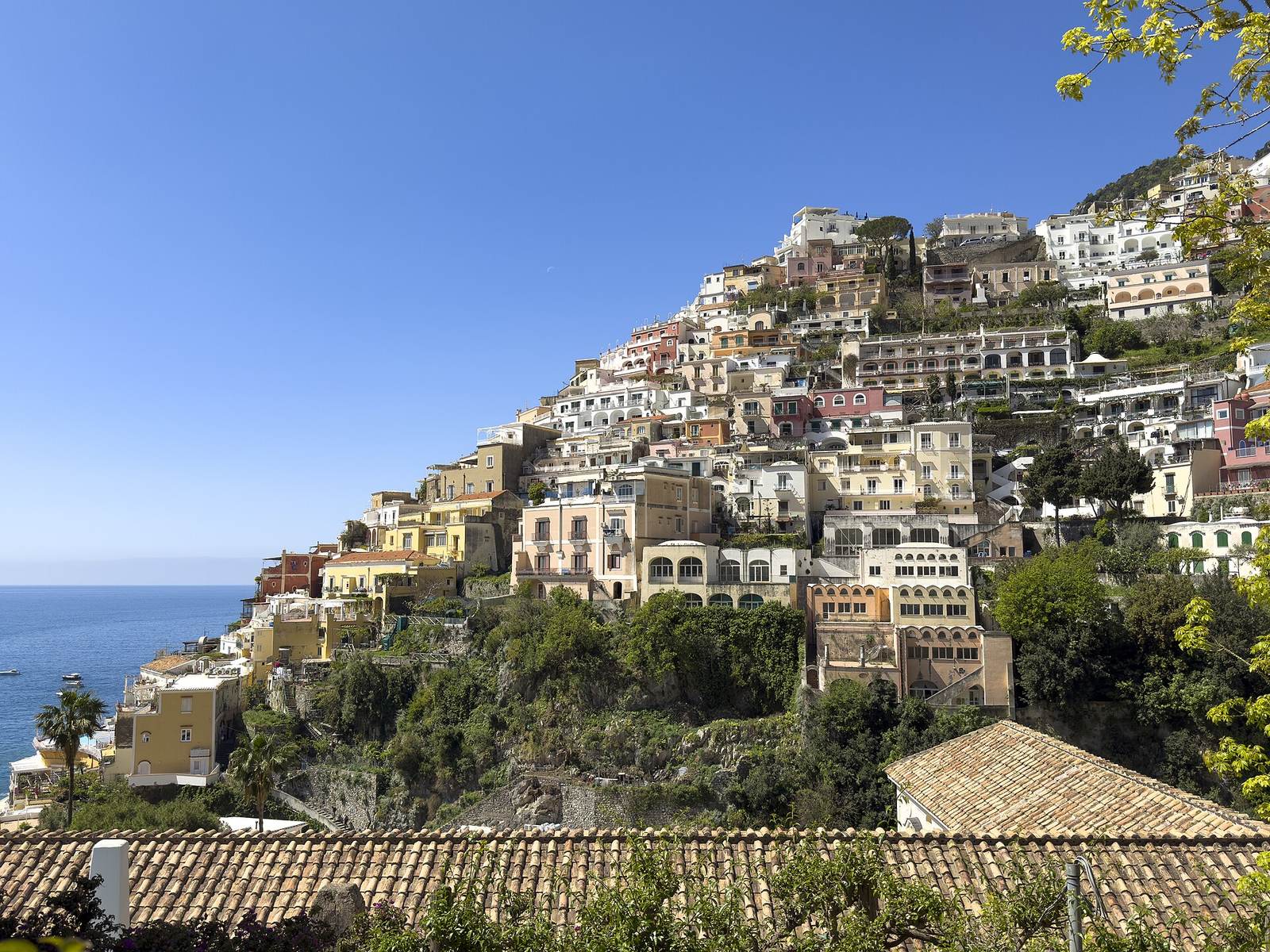
- **Positano.** The postcard village, a cascade of houses down to the Spiaggia Grande. Lovely for an afternoon and an evening, with steep steps everywhere.
- **Amalfi.** The historic town, with the striped Cathedral of Sant'Andrea, the Cloister of Paradise and the paper museum. It is also the ferry hub of the coast.
- **Ravello.** High above the sea, with the gardens and terraces of Villa Rufolo and Villa Cimbrone and a summer music festival.
- **The Path of the Gods.** A cliff top walk from Bomerano in Agerola to Nocelle above Positano, about three hours with jaw dropping views. Wear proper shoes and start early.
- **Capri.** A day trip by ferry for the Blue Grotto, the gardens of Augustus, Anacapri and the chairlift up Monte Solaro.
- **A boat day.** Small group or shared boat trips reach coves, grottos and swimming spots that are hard to get to by land.
- **Pompeii and Herculaneum.** The cities buried by Vesuvius are an easy trip from Sorrento on the Circumvesuviana train.
What to eat
Scialatielli ai frutti di mare, fresh pasta with seafood; spaghetti alla nerano with courgettes from Nerano; delizia al limone lemon cake; colatura di alici anchovy sauce from Cetara; mozzarella from the plains around Salerno; and limoncello made from the coast's sfusato lemons. Naples, nearby, is the home of pizza.
Where to stay
**Positano** is the most glamorous and most expensive. **Amalfi** is central for ferries and buses. **Ravello** is quiet and romantic but far from the beaches. **Praiano** and **Minori** are calmer and good value. **Sorrento**, just off the coast, is the practical choice, with trains to Naples and Pompeii and ferries to Capri and Positano.
Getting around
Ferries from Salerno, Amalfi, Positano and Sorrento are the most relaxing way to move between villages from spring to autumn. SITA buses run along the coast road year round but get very crowded in summer. Driving is stressful, parking is scarce, and number plate restrictions apply on the coast road in busy periods. Expect lots of steps.
Good to know
Most hotels and beach clubs open from around Easter to late October; winter is quiet and many places close. Beaches are small and pebbly, with paid sun loungers and smaller free sections. Book stays early for summer and avoid arriving late at night without a plan.
A sample four day plan
Arrive and settle into Amalfi or Sorrento. Spend day one exploring Amalfi's cathedral and lanes, then take the bus up to Ravello for its gardens in the late afternoon light. On day two, walk the Path of the Gods in the morning and finish in Positano for a swim and dinner. On day three, take an early ferry to Capri, ride the chairlift up Monte Solaro and see the Blue Grotto if the sea allows. On day four, visit Pompeii or Herculaneum on your way back towards Naples. Leave buffer time, because sea conditions and summer traffic can change plans quickly, and ferries are often cancelled in rough weather.
Questions about the Amalfi Coast
Where is the best base on the Amalfi Coast?
Amalfi for ferries and buses, Positano for the views, Ravello for peace, and Sorrento for trains and value.
When is the best time to visit the Amalfi Coast?
May, June, September and early October offer warm sea, open hotels and fewer crowds than July and August.
Can I visit the Amalfi Coast as a day trip from Rome?
It is possible but tiring. You will spend most of the day travelling, so stay at least two nights if you can.
Is the Path of the Gods hard?
It is a moderate walk mostly downhill if you start in Agerola, but it is rocky and exposed. Bring water, sun protection and good shoes.
Facts checked . Fees, schedules and entry rules change, so always confirm the latest with the official source.