At a glance
- Best for
- History, food, markets and first nights in India
- Airport
- Indira Gandhi International Airport (DEL)
- Time needed
- Two to three days
- Best season
- October to March, though winter smog can be heavy
- Language
- Hindi, with English widely spoken
- Getting around
- Delhi Metro, ride apps and auto rickshaws
Why go
Delhi is really several cities layered together. **Old Delhi**, built by Shah Jahan as Shahjahanabad, is a maze of bazaars around the Red Fort and the Jama Masjid. **New Delhi**, laid out by the British in the early twentieth century, has wide avenues, Kartavya Path and India Gate. In between and beyond lie medieval ruins, Sufi shrines, modern malls and green neighbourhoods. Seeing a little of each shows you how India's past and present sit side by side.
Old Delhi highlights
The **Red Fort**, a UNESCO World Heritage Site, was the seat of the Mughal emperors. Across the road, the **Jama Masjid** is one of the largest mosques in India; climb the minaret for views over the rooftops, and dress modestly. Then dive into **Chandni Chowk** by cycle rickshaw: the spice market of **Khari Baoli**, the silver lanes of Dariba Kalan and the parathas of Paranthe Wali Gali. The Sikh temple **Gurudwara Sis Ganj Sahib** welcomes visitors with covered heads.
New Delhi and the south
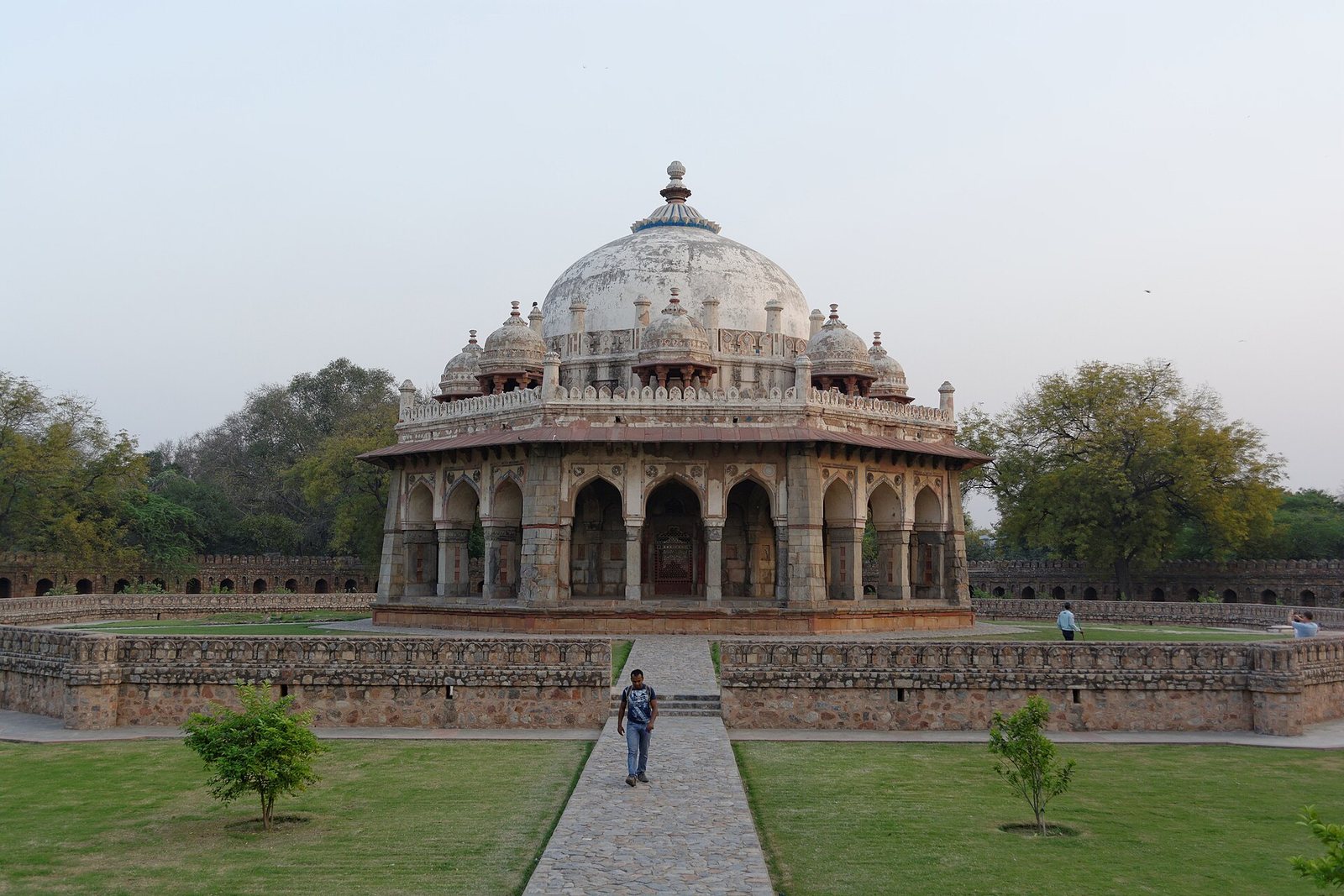
**Humayun's Tomb**, the garden tomb that inspired the Taj Mahal, is the most beautiful monument in the city and best in the late afternoon. Next door, **Nizamuddin Dargah** comes alive with qawwali music on Thursday evenings. The **Qutub Minar**, a soaring thirteenth century tower, and the **Lodhi Garden** tombs are other favourites. **Gurudwara Bangla Sahib** serves free meals to thousands every day, and the **Lotus Temple** and **Akshardham** show modern sacred architecture. For history, the **National Museum** is excellent.
Food
Delhi is a food city. In Old Delhi, try kebabs and nihari near the Jama Masjid, jalebis and chaat on Chandni Chowk and the famous butter chicken and dal makhani, which Delhi claims as its own. Restaurants in Hauz Khas, Khan Market and Connaught Place range from simple dhabas to some of India's most creative kitchens. Start gently with street food: choose busy stalls where food is cooked fresh in front of you.
Where to stay
**Connaught Place** and nearby areas are central and well connected by metro. **South Delhi**, around Defence Colony, Hauz Khas and Greater Kailash, is calmer and leafier. **Aerocity** by the airport suits short stays and late arrivals. Paharganj near New Delhi station is cheap and busy, and many visitors find it too hectic for a first night.
Getting around
The **Delhi Metro** is clean, air conditioned and the easiest way to cross the city, including the Airport Express line. Ride apps are reliable for door to door trips, and auto rickshaws are fine for short hops if you agree the fare first or use an app. Cycle rickshaws are perfect in Old Delhi's lanes. Allow plenty of time: traffic is heavy at peak hours.
Tips for first-timers
Touts at New Delhi railway station sometimes claim your ticket is invalid or that the tourist office has moved: ignore them and go straight to your platform. Never follow anyone to a private travel agency. From November to February air quality can be poor, so check the daily index and plan indoor time if needed. Many monuments are closed one day a week, so check before you go. Our places to visit list has favourites across the city, and the trip planner helps you link Delhi with Agra and Rajasthan.
Questions about Delhi
How many days do I need in Delhi?
Two full days covers Old Delhi, Humayun's Tomb, Qutub Minar and a food walk. A third day lets you add museums, markets and a slower pace.
Is the Delhi Metro safe for tourists?
Yes. It is clean, busy and well policed, and the first carriage of each train is reserved for women.
When is the air quality worst in Delhi?
Usually from late October to January, when smoke and still weather trap pollution. Check the daily air quality index and take a mask if you are sensitive.
Which area of Delhi is best for first-time visitors?
South Delhi and the area around Connaught Place are good bases: central, connected by metro and with plenty of places to eat.
Facts checked . Fees, schedules and entry rules change, so always confirm the latest with the official source.